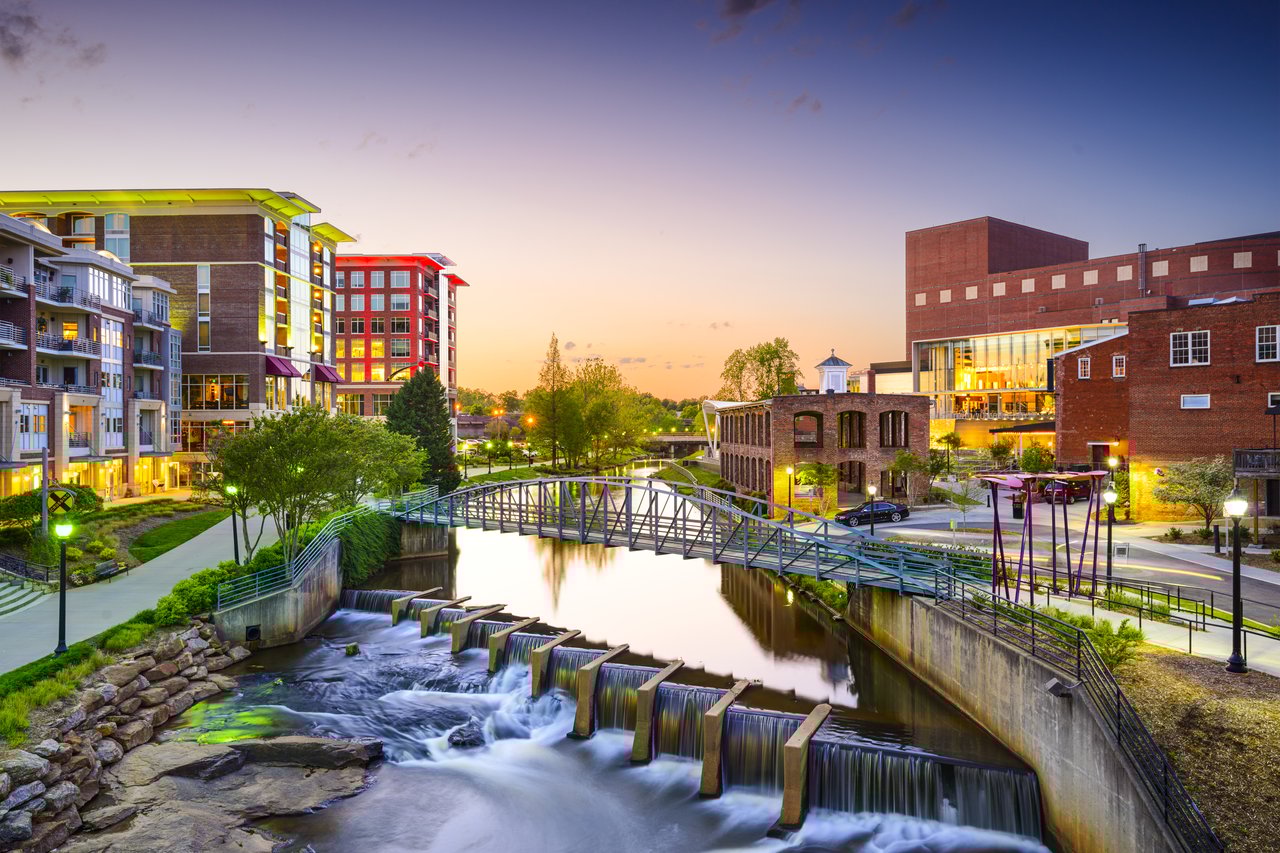
Why Your Homeowners Insurance Went Up in Greenville, SC (And What You Can Do About It)
buyer education July 23, 2026
buyer education July 23, 2026
If your homeowners insurance renewal arrived this year and made you do a double take, you're not alone.
Over the past year, we've had more conversations than ever with Greenville-area homeowners asking the same question: "Why did my premium go up when I haven't even filed a claim?"
Whether you own a home in Greenville, Simpsonville, Greer, Five Forks, Mauldin, Travelers Rest, or Easley, chances are you've noticed the cost of homeowners insurance creeping higher.
The good news? While you can't control national insurance trends, there are several ways to potentially lower your premium without sacrificing the coverage that protects one of your biggest investments.
Let's take a look at why homeowners insurance rates are rising in Greenville, SC, and what you can do about it.
Although South Carolina hasn't seen the insurance challenges of states like Florida or California, homeowners across the Upstate are still feeling the impact of a changing insurance market.
Insurance companies don't base rates solely on what's happening in Greenville. They also consider nationwide claim trends, the cost of rebuilding homes, labor shortages, inflation, and increasingly severe weather events.
According to the Consumer Federation of America, the average homeowners insurance premium has increased by roughly 24% since 2021, with homeowners paying hundreds of dollars more each year than they were just a few years ago.
Several factors are contributing to these increases:
Even here in Greenville, stronger storms and higher rebuilding costs have played a role in rising insurance premiums.
Every home is different, which means every insurance policy is too.
If your premium increased this year, one or more of these factors may be contributing.
The age and condition of your roof can have a significant impact on your insurance premium. Older roofs are generally considered a higher risk because they're more likely to be damaged during storms.
If you've recently replaced your roof, make sure your insurance company knows. Many homeowners qualify for discounts after installing a new roof.
Older homes often cost more to insure because they may have aging electrical systems, plumbing, HVAC components, or building materials that are more expensive to repair or replace.
That doesn't mean older homes are impossible to insure. It simply means insurers may view them differently than newer construction.
Even if you've only filed one small claim, your premium may increase at renewal.
Insurance companies also review the claims history associated with the property itself, not just the current homeowner.
As home values and construction costs increase, your dwelling coverage may also increase to reflect today's rebuilding costs.
That's important because you want enough coverage to rebuild your home if disaster strikes. However, it's worth reviewing your policy periodically to make sure your coverage still aligns with your home's replacement cost.
Choosing a lower deductible means your insurance company assumes more risk, which generally results in a higher premium.
Many homeowners can lower their annual insurance costs by selecting a higher deductible, provided they're comfortable covering that amount if they ever need to file a claim.
Compared to many coastal communities in South Carolina, Greenville is generally considered a more affordable place to insure a home.
Coastal properties often face additional hurricane and wind risks that can significantly increase insurance costs.
However, that doesn't mean Greenville homeowners are immune to rising premiums.
Storm damage, hail, inflation, and higher construction costs have affected insurance rates throughout the Upstate over the past several years.
Your location within Greenville County, the age of your home, and the condition of major systems can all influence your premium.
While you may not be able to eliminate premium increases entirely, there are several ways to reduce what you pay.
One of the biggest mistakes homeowners make is automatically renewing with the same insurance company year after year.
Insurance companies calculate risk differently, which means another carrier may offer similar coverage at a significantly lower price.
Before renewing, compare quotes from at least three companies.
A little research could save you hundreds of dollars each year.
If your home and auto insurance are with different companies, ask for a bundled quote.
Many insurers offer multi-policy discounts that can reduce both premiums.
If you're financially comfortable doing so, increasing your deductible is often one of the quickest ways to reduce your annual premium.
Just be sure you have enough savings set aside to cover that deductible if you ever need to file a claim.
Many homeowners qualify for discounts without realizing it.
You may be eligible if you've recently:
It never hurts to ask your insurance agent what discounts are available.
Life changes, and so does your home.
If you've completed renovations, paid off your mortgage, or made significant improvements, it may be time to review your policy.
Likewise, if your coverage hasn't been reviewed in several years, it's worth confirming you're not paying for coverage you no longer need while still protecting your home's full replacement value.
In many states, insurance companies consider credit history when determining premiums.
Maintaining good credit may help you qualify for lower rates over time.
Insurance exists to protect you from major financial losses.
If the repair cost is only slightly above your deductible, paying out of pocket may help you avoid future premium increases.
Every situation is different, but it's something worth discussing with your insurance agent before filing a claim.
It's understandable to look for ways to cut costs when premiums rise.
However, reducing your coverage too much can create much bigger problems later.
A major storm, house fire, or burst pipe can easily result in tens or even hundreds of thousands of dollars in damage.
If you have a mortgage, your lender will almost certainly require you to maintain homeowners insurance. Allowing your policy to lapse could result in force-placed insurance, which is typically more expensive while offering less protection.
Instead of eliminating coverage, consider shopping for new quotes, increasing your deductible, or asking about available discounts.
Insurance companies consider much more than your personal claims history. Rising construction costs, severe weather, inflation, and overall claim activity all influence premiums.
Often, yes. Many insurance companies offer discounts for newer roofs because they're generally less likely to experience storm damage.
It can be worthwhile to compare quotes every year. Different insurers evaluate risk differently, and another company may offer comparable coverage at a lower price.
Not every homeowner does, but flood damage can occur outside designated flood zones. Talk with your insurance agent about your property's specific flood risk and whether additional coverage makes sense.
Homeowners insurance is becoming a larger part of the cost of owning a home, and it's something buyers and current homeowners alike should plan for.
The good news is that a higher premium doesn't always mean you're stuck paying it. Taking the time to compare quotes, review your coverage, and ask about available discounts can make a meaningful difference.
If you're buying a home in Greenville, SC, homeowners insurance is just one piece of the overall financial picture. Two homes with similar price tags can have very different insurance costs depending on their age, condition, and location.
At the Trisha Cook Team, we're committed to helping our clients make informed decisions at every stage of the home buying and selling process. Whether you're relocating to Greenville, purchasing your first home, or preparing to sell, we're happy to connect you with trusted local insurance professionals and answer your questions along the way.
Thinking about buying or selling a home in Greenville, SC? Contact the Trisha Cook Team today. We'd love to help you navigate the Greenville real estate market with confidence.
Stay up to date on the latest real estate trends.

Buying a Home
Two private Hilton Head communities, with different boating setups and practical questions buyers should settle before choosing a home.

Buying a Home
Look beyond the dues to understand reserves, planned projects, special assessments and the questions that need written answers.

Commercial / Investment Properties
What rental owners should compare beyond the monthly fee, from leasing and maintenance to records, inspections and time.
Community Guides
What to know about this Richmond Hill community, its homes, amenity plans and place in a Savannah-area retirement search.
Coastal Georgia living
What the winter project could mean for beach access, property showings and buying or selling on Tybee in 2026–2027.
Selling A Home
Luxury photography is only the beginning. Pricing must account for the specific neighborhood, Club access, lot position, upgrades and competing new construction.

buyer education
What Michael Toma’s latest Georgia Southern report tells us about jobs, new construction and real estate decisions in Chatham, Bryan and Effingham counties.
Community Guides
Compare ownership costs, Club structure, golf, marina access, rental rules and the practical differences buyers should understand before choosing between Hilton Head P… Read more
Join hands with Savannah’s premier coastal specialists for a real estate experience that’s as unique as you are. Whether buying, selling, or exploring new opportunities, our team is dedicated to guiding you with warmth, and expert insight.