Tybee Island Beach Renourishment: What Owners Need to Know
Coastal Georgia living Trisha Cook October 6, 2026
Coastal Georgia living Trisha Cook October 6, 2026
Information checked October 6, 2026.
Tybee Island beach renourishment is moving toward a winter construction season after federal funding came through in September. For property owners, the practical questions are straightforward: When will work begin, which stretches of beach will be affected, and what should you consider if you plan to buy or sell?
There is good news on funding and a clearer estimated timeline. There is not yet a street-by-street work schedule in the materials reviewed for this update.
Trisha Cook has served Savannah-area clients since 2007. At The Trisha Cook Team at Compass, our approach to coastal real estate is to look beyond the listing photos. Beach access, ownership costs and the conditions around a property deserve attention alongside the view.
The City’s September 16 announcement confirms a $20 million project, supported by $12 million in federal funding and an $8 million share raised through City tax revenue and contributions from Chatham County and Georgia.
The City estimates about 1.3 million cubic yards of sand. The later Corps notice describes up to 1.5 million cubic yards. Those are different published estimates, not a reason to promise an exact final quantity.
Renourishment replaces sand lost from the shoreline. The City reports a 60% reduction in sand volume since 2020. That is an island project statistic, not a measurement of beach loss in front of every home.
The U.S. Army Corps of Engineers’ October 2 notice provides two different timeframes:
Milestone | Current published timeframe |
|---|---|
Permitted beach sand-placement window | November 1, 2026–April 30, 2027 |
Anticipated construction start | Late December 2026 |
Anticipated construction finish | Late March or early April 2027 |
The larger window reflects environmental restrictions associated with sea turtle nesting season. It does not mean equipment arrives November 1 or stays until April 30.
The notice is also a request for contractor information, not a construction contract award. Treat the start and finish dates as estimates. If you are planning a spring visit, a closing or a listing launch, do not assume the project will be finished before your particular date.
The October notice identifies Front Beach and South Tip Beach. Sand would come from an approved offshore source, be pumped onto the beach and shaped into the planned beach profile.
For someone comparing Tybee Island homes and locations, the useful next question is what work will happen near the property’s actual beach access.
Back River needs a separate check. The Corps’ January environmental notice includes Back River Beach within the broader authorized project area, but the October contractor notice names Front Beach and South Tip Beach. The broader authorization should not be treated as confirmation that every authorized section will receive sand this winter.
The previous nourishment provides context. City notices from December 2019 described round-the-clock work and temporary closures around the active construction area while other beach areas remained open.
That history does not establish this winter’s hours or closure sequence. The current contractor notice reviewed for this article does not provide those details.
Before a visit or showing, check for:
Use current City notices and posted signs. An access point described as open in a spring news story is not a dependable guide to conditions months later.
If you are shopping for a home, walk the route from the property to the beach. Look at the access you would actually use, not simply the distance shown on a map. If beach space is central to your decision, consider visiting at different tide stages.
Keep the project in perspective during due diligence. A wider beach does not replace a review of the home’s condition, flood information, elevation documentation and property-specific insurance quotes. The City’s flood information for homeowners is a useful starting point.
If rental income is part of your plan, verify the property’s permitted use separately. Do not build an income estimate around an assumed construction finish or uninterrupted beach access.
My advice is to evaluate the property as it stands and use the published project plans as additional context. Avoid paying a premium based on a promised future result that no one can guarantee.
For sellers, the project belongs in the conversation, but it should not become the entire pricing strategy. Buyers still compare condition, location, carrying costs and other available homes.
Before choosing a listing date, review the latest work information alongside your personal timeline. Waiting for construction to finish may or may not make sense once your carrying costs and competing inventory are considered.
If work is nearby when you list, use current photographs and clear showing instructions. Explain what is confirmed and what remains estimated. Avoid promising a particular beach width, completion date or increase in value.
Owners hosting guests should also update arrival information if their usual access route changes. A clear explanation before someone arrives is more helpful than letting them discover a closure with beach chairs in hand.
The City’s beach nourishment project page and the Corps’ contractor notice are useful starting points. Check the date of each update, particularly when comparing early planning documents with later construction information.
The next details worth watching are the construction contract, confirmed mobilization date, work sequence and access notices. Those will be more useful for planning around a specific property than the funding announcement alone.
Thinking about buying or selling on Tybee? Share your property address or search criteria with The Trisha Cook Team at Compass. We can help you evaluate the location, current market and questions to resolve before you make a move. Reach us at 912-737-2935.
Stay up to date on the latest real estate trends.

Buying a Home
Two private Hilton Head communities, with different boating setups and practical questions buyers should settle before choosing a home.

Buying a Home
Look beyond the dues to understand reserves, planned projects, special assessments and the questions that need written answers.

Commercial / Investment Properties
What rental owners should compare beyond the monthly fee, from leasing and maintenance to records, inspections and time.
Community Guides
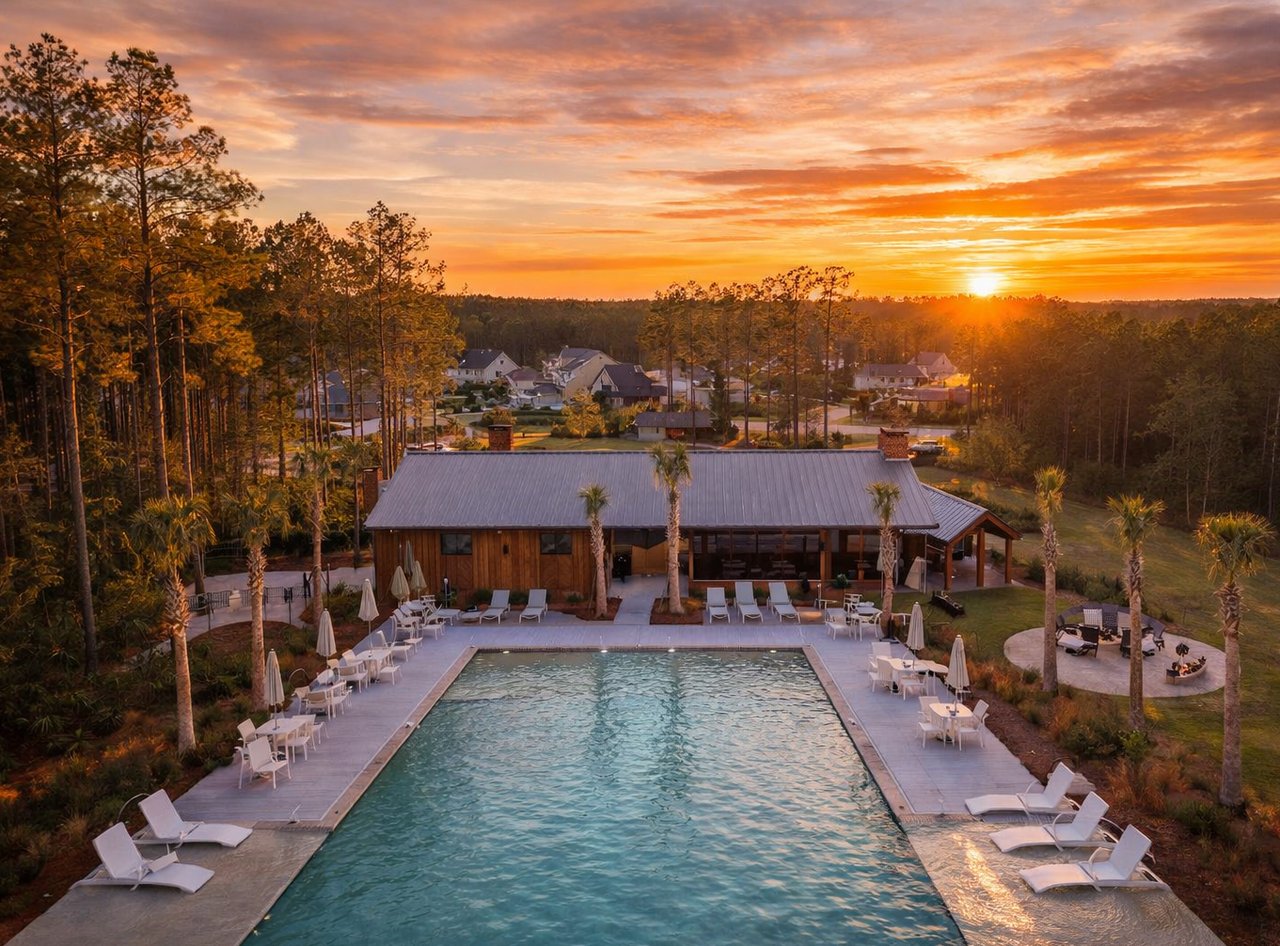
What to know about this Richmond Hill community, its homes, amenity plans and place in a Savannah-area retirement search.
Coastal Georgia living
What the winter project could mean for beach access, property showings and buying or selling on Tybee in 2026–2027.
Selling A Home
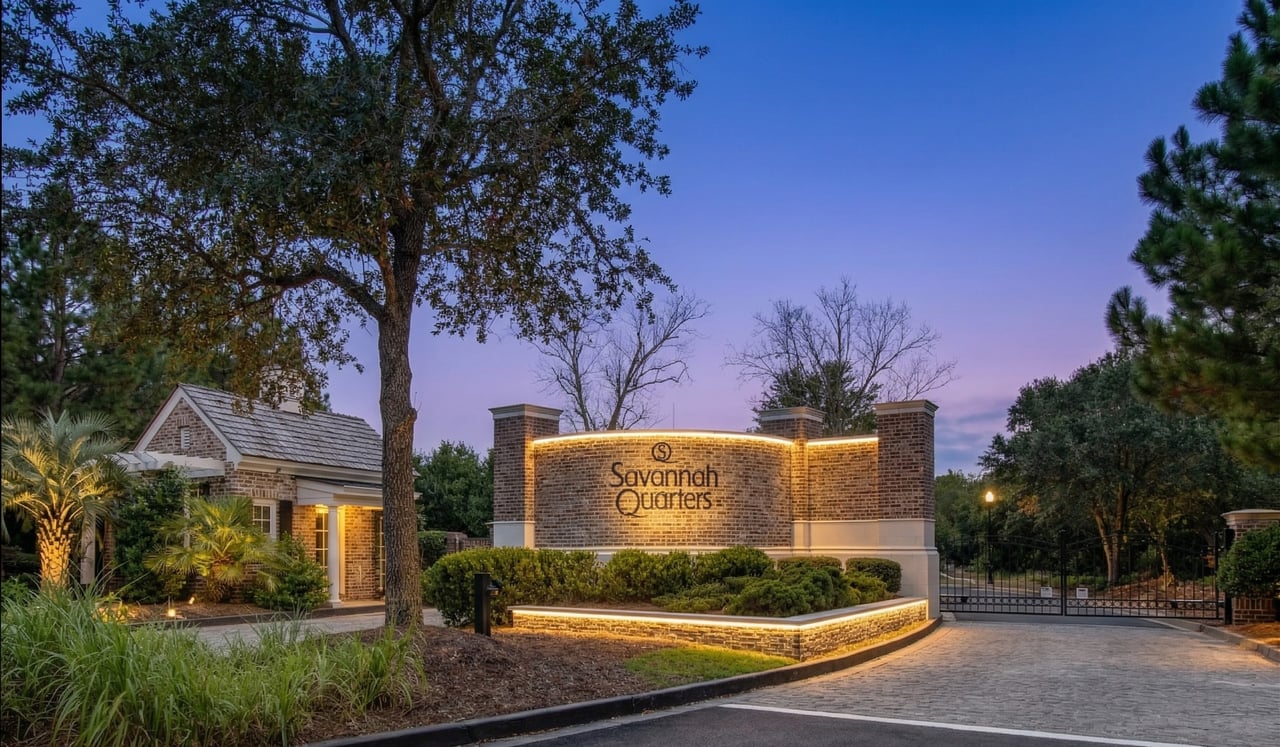
Luxury photography is only the beginning. Pricing must account for the specific neighborhood, Club access, lot position, upgrades and competing new construction.
Join hands with Savannah’s premier coastal specialists for a real estate experience that’s as unique as you are. Whether buying, selling, or exploring new opportunities, our team is dedicated to guiding you with warmth, and expert insight.