Savannah Economic Update: Growth Slows as Housing Construction Shifts
buyer education Trisha Cook October 6, 2026
Report period: second quarter 2026. This article interprets that report and should be read alongside current property-market data.
The latest Savannah economic update gives us a reason to look beyond the development announcements. The region is still adding jobs, but overall economic activity barely moved during the first half of 2026. Meanwhile, the mix of housing being approved for construction is changing.
Those are different stories, and both matter if you are buying, selling or investing here.
The findings come from the second-quarter 2026 Coastal Empire Economic Monitor, published by Georgia Southern University’s Center for Business Analytics and Economic Research. Credit for the economic analysis belongs to Michael Toma, Ph.D., the university’s Fuller E. Callaway Professor of Economics in the Parker College of Business.
I received the report on September 28. It covers the Savannah metropolitan area, which includes Chatham, Bryan and Effingham counties. That makes it relevant to conversations about Savannah, Pooler, Richmond Hill, Rincon and Guyton, although it does not provide separate results for each community.
Having served Savannah-area real estate clients since 2007, I look at reports like this alongside neighborhood sales and competing listings. At The Trisha Cook Team at Compass, our job is to help you understand how the broader picture relates to the property you actually own or want to buy.
The economic findings below are Toma’s. The real estate takeaways are my interpretation of what buyers, sellers and property owners should consider.
The report presents a mixed picture. Employment increased, unemployment remained low and port activity improved. Overall business activity, however, was flat.
Indicator | What the Q2 2026 report shows |
|---|---|
Current business activity | Index unchanged at 223.3 from the first quarter |
Total employment | 216,600 jobs, up 500 from the previous quarter and 0.5% from a year earlier |
Unemployment rate | Fell to 2.7% |
Manufacturing employment | 25,700 jobs, up 3.3% from a year earlier |
Port container activity | Seasonally adjusted activity up 2.9% from the previous quarter |
Single-family construction permits | Seasonally adjusted monthly issuance down 9.8% from the previous quarter and 33% from a year earlier |
Source: Michael Toma, Coastal Empire Economic Monitor, Second Quarter 2026, Georgia Southern University.
There is still economic strength here. The pace of growth is the concern. A region can have major employers and substantial investment while experiencing a quieter stretch in hiring and business activity.
For real estate, that is a reason to pay closer attention to affordability, competition and timing. This report alone does not establish what an individual home should sell for.
One of the report’s most significant findings involves the type of housing permitted during the first half of 2026:
Toma reports that this is the first time multifamily units have exceeded single-family homes in the first half of a year since this data collection began in 1995.
These are permitted units. They are not completed homes, occupied apartments or properties currently available for sale. The seasonally adjusted monthly permit figures elsewhere in the report are a separate measure and should not be multiplied to reconstruct these first-half totals.
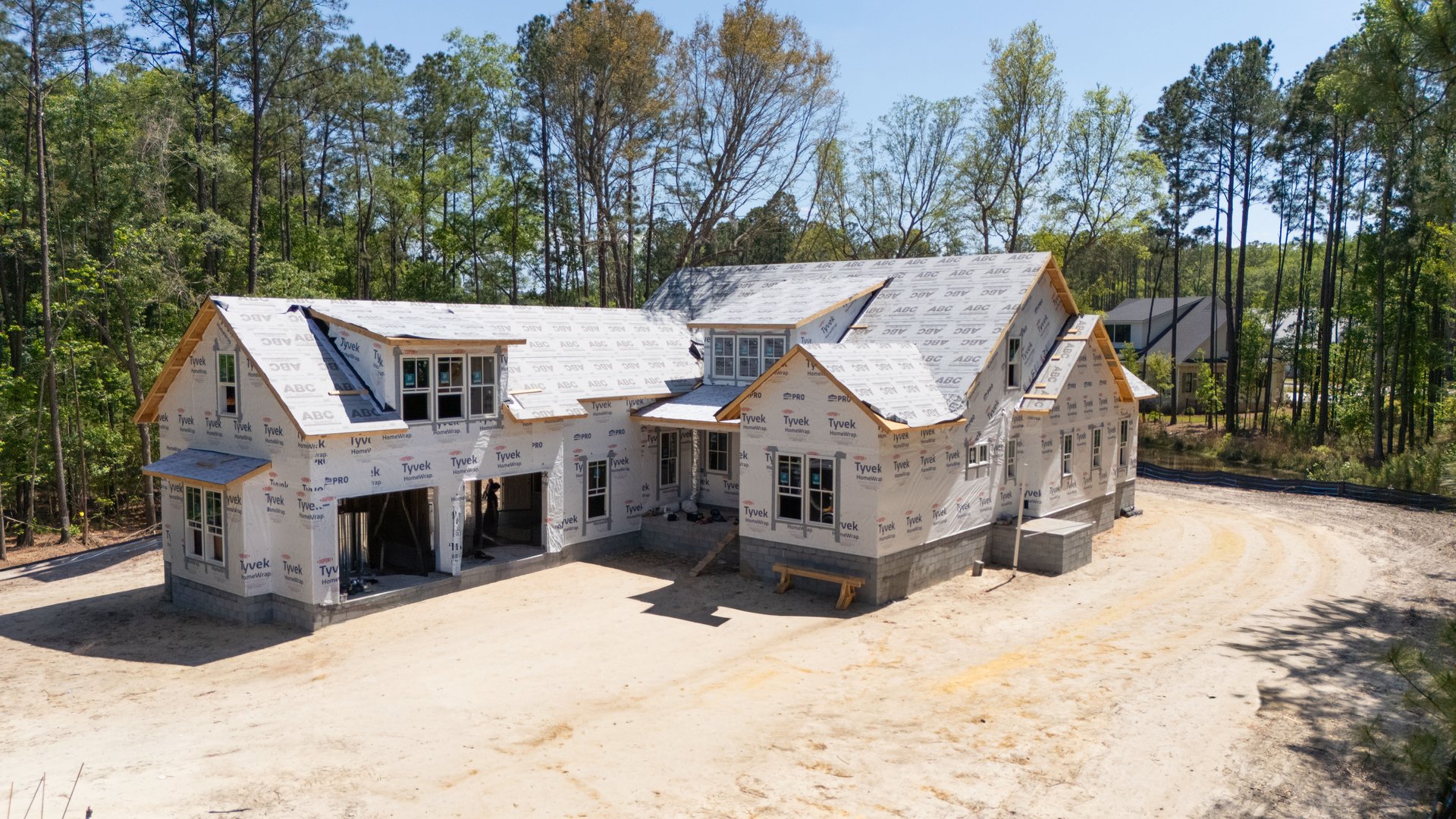
My takeaway is that we need to watch the type and location of new supply. Additional multifamily construction could affect rental competition where projects are completed. Fewer single-family permits could change the future flow of new homes, but they do not tell us how much existing builder inventory is available today.
For owners in Pooler, Richmond Hill or Effingham County, the useful question is specific: what will your property compete with, and when?
The report puts the average single-family building permit value at $276,200, up 15% from a year earlier. It explicitly excludes land and builder profit.
That number should not be described as the average price of a new home in Savannah. It also does not mean existing home values increased 15%.
This distinction matters because construction figures can easily become misleading real estate headlines. For actual resale pricing, use comparable closed sales and current competition. Our Savannah housing market update covers that separate part of the picture.
Regional investment is a positive part of our area’s story. It is not a substitute for a pricing strategy.
If you are preparing to sell, evaluate:
You cannot out-market the market. Professional photography and strategic exposure matter, but the asking price still has to make sense against the alternatives.
For a closer look at that comparison, read our guide to pricing a Savannah-area home when new construction is the competition.
For buyers, slower economic growth is a reason to be deliberate. It does not establish that every seller will negotiate or that prices will fall across every neighborhood.
Compare the full cost of ownership, the property’s condition and how long you expect to own it. A purchase should work with your current budget rather than depend on a future rate change or appreciation.
If you are comparing locations, our Pooler real estate guide can help you move from regional statistics to the communities themselves.
For rental owners, the multifamily permit figures deserve monitoring. Before assuming a rent increase, look at competing properties, advertised concessions, leasing times and projects approaching completion near your property. A regional construction trend does not predict the performance of a specific rental.
Toma’s outlook calls for modest employment growth and weaker-than-average regional economic conditions through the remainder of 2026 and into early 2027. That is a forecast, and it can change as new data arrive.
The practical response is to make decisions with current evidence. If you are considering a move, The Trisha Cook Team at Compass can compare recent sales, competing homes and nearby construction in your specific area.
Economic research credit: Michael Toma, Ph.D., and Georgia Southern University’s Center for Business Analytics and Economic Research, Coastal Empire Economic Monitor, Second Quarter 2026. Visit the university’s Economic Monitor archive for available issues. To request the newsletter, email [email protected] with “subscribe.” Real estate commentary is by Trisha Cook and is separate from the university’s analysis.
This article discusses Georgia Southern’s second-quarter 2026 Coastal Empire Economic Monitor. It is a dated report, not a real-time reading of today’s housing market.
No. Use comparable closed sales, current competing listings and the home’s condition to evaluate pricing. Regional economic research provides context for that property-specific review.
No. A permit is not a completed or occupied property. Confirm the project’s status and expected delivery before treating it as current competition.
No. Track completed projects, available rentals, concessions and leasing times near your property. Regional permit totals alone do not establish what your rental will earn.
The Trisha Cook Team at Compass can compare recent sales, competing properties and nearby construction in your specific area. Contact our team for a property-specific discussion.
Considering a move or reviewing a property you own? Share your location, property details and timeline with The Trisha Cook Team at Compass, or call 912-737-2935.
Stay up to date on the latest real estate trends.
buyer education
See what’s open over the Wilmington River, what Georgia DOT has confirmed about the second span, and how to plan a drive to Savannah’s islands.
Lifestyle
Use this fall and spring checklist to catch drainage problems, spot termite warning signs and take care of siding, trees and plumbing.
Community Guides
From new restaurants and residential development to zoning changes, here's what buyers, sellers and homeowners should know about Savannah's evolving Starland area.
Community Guides
Explore the public park, renovated barn, disc golf, upcoming events and the practical details to consider when buying nearby.
Community Guides
A practical look at location, new and resale homes, amenities and the costs to compare in this South Carolina 55+ community.
Buying a Home
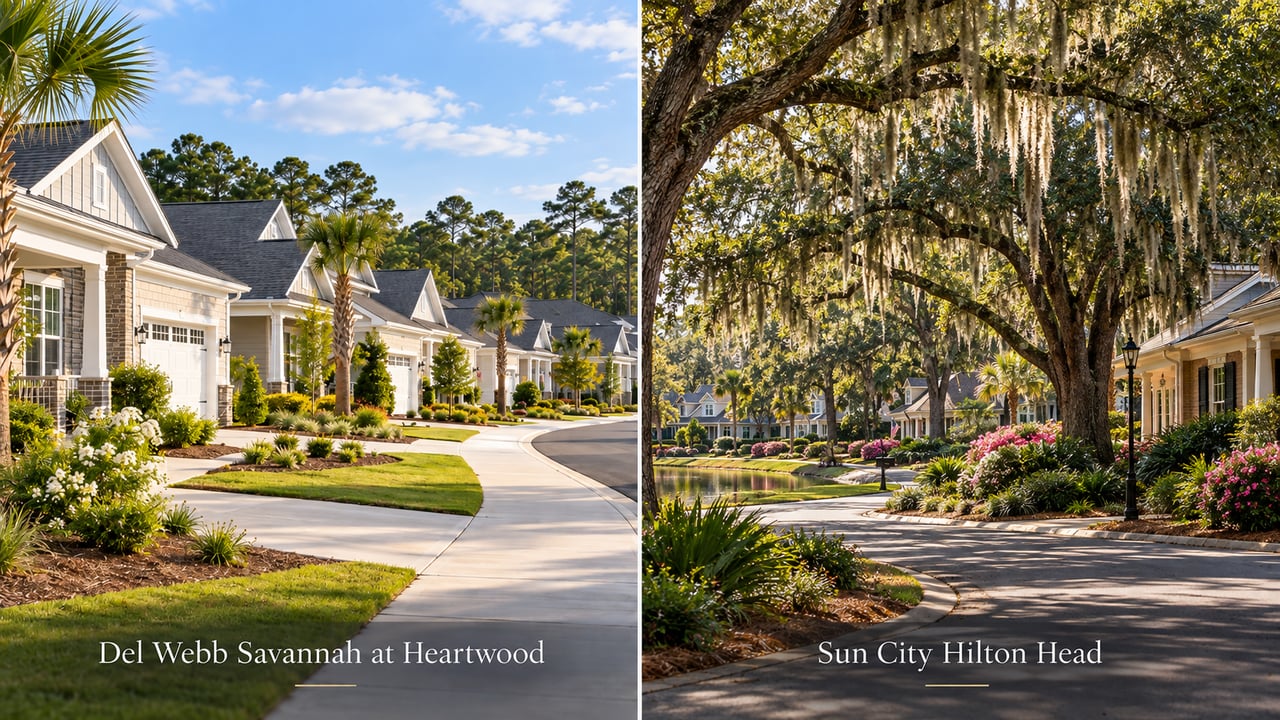
Compare the Georgia and South Carolina locations, home choices, amenities and questions that matter before buying in either community.
buyer education
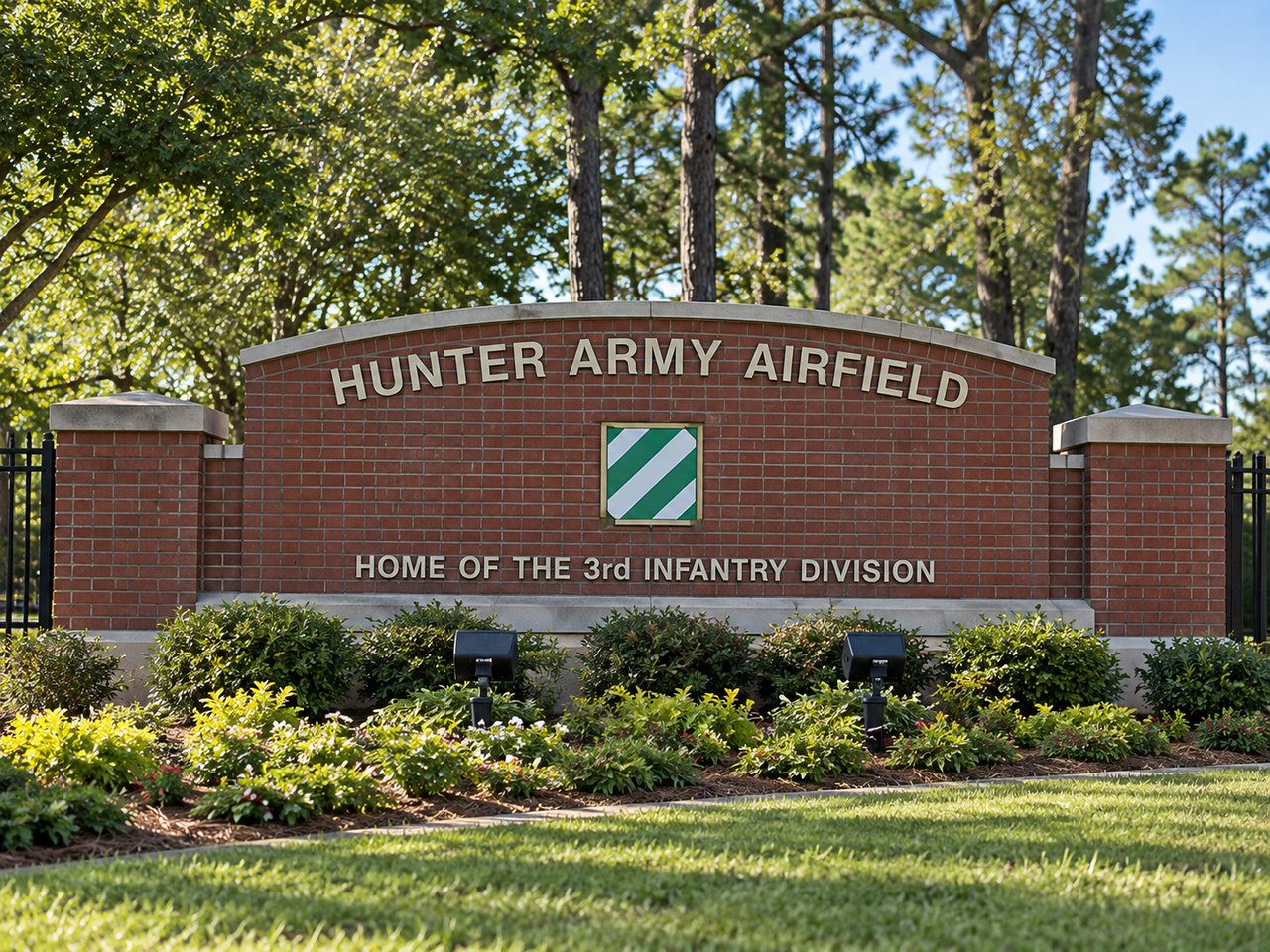
Compare Hinesville, Richmond Hill, Savannah and Pooler around your actual duty location, housing budget and next move.

Community Guides
Sourced neighborhood options in Savannah, Pooler and Richmond Hill, plus a scheduled River Street event and what to check before heading out.
Selling A Home
A practical Skidaway Island preparation plan: repairs that matter, updates to question, community approvals and the records buyers need.
Join hands with Savannah’s premier coastal specialists for a real estate experience that’s as unique as you are. Whether buying, selling, or exploring new opportunities, our team is dedicated to guiding you with warmth, and expert insight.