
Inherited a House in Georgia or South Carolina? What to Do First
seller education Trisha Cook October 1, 2026
seller education Trisha Cook October 1, 2026
Inheriting a house in Georgia or South Carolina can feel overwhelming because there are legal, financial and real-estate decisions happening at the same time. First & foremost: my condolences. Death, although inevitable for us all, is never something that should be made transactional. We are broaching this subject because it is one we hear, all too often, that heirs & property owners, alike, do not understand enough about. We'd like to help bridge that gap and hep you in any way that we can in your time of need (or before).
The first question is not whether you should sell.
It is who has the legal authority to make decisions about the property right now.
A home may pass through probate, a trust, survivorship ownership or another estate-planning arrangement. Georgia also permits transfer-on-death deeds. The property’s location, title and estate documents help determine who can sign, authorize repairs and transfer ownership. Do not assume a process available in one state applies in the other.
Trisha Cook is a Certified Real Estate Planner, which means she has additional training in real estate issues connected to probate, trusts, inheritance, estate planning and major life transitions. That does not replace the role of an attorney, CPA or financial advisor. It means she is trained to recognize the real-estate issues that often come up in these situations, ask the right questions and coordinate the property side with the other professionals involved.
Trisha Cook has been licensed since 2007 and established The Trisha Cook Team in 2011. The team serves Coastal Georgia, the South Carolina Lowcountry and Greenville, South Carolina, with a focus on helping families make informed real estate decisions.
Here is where to start.
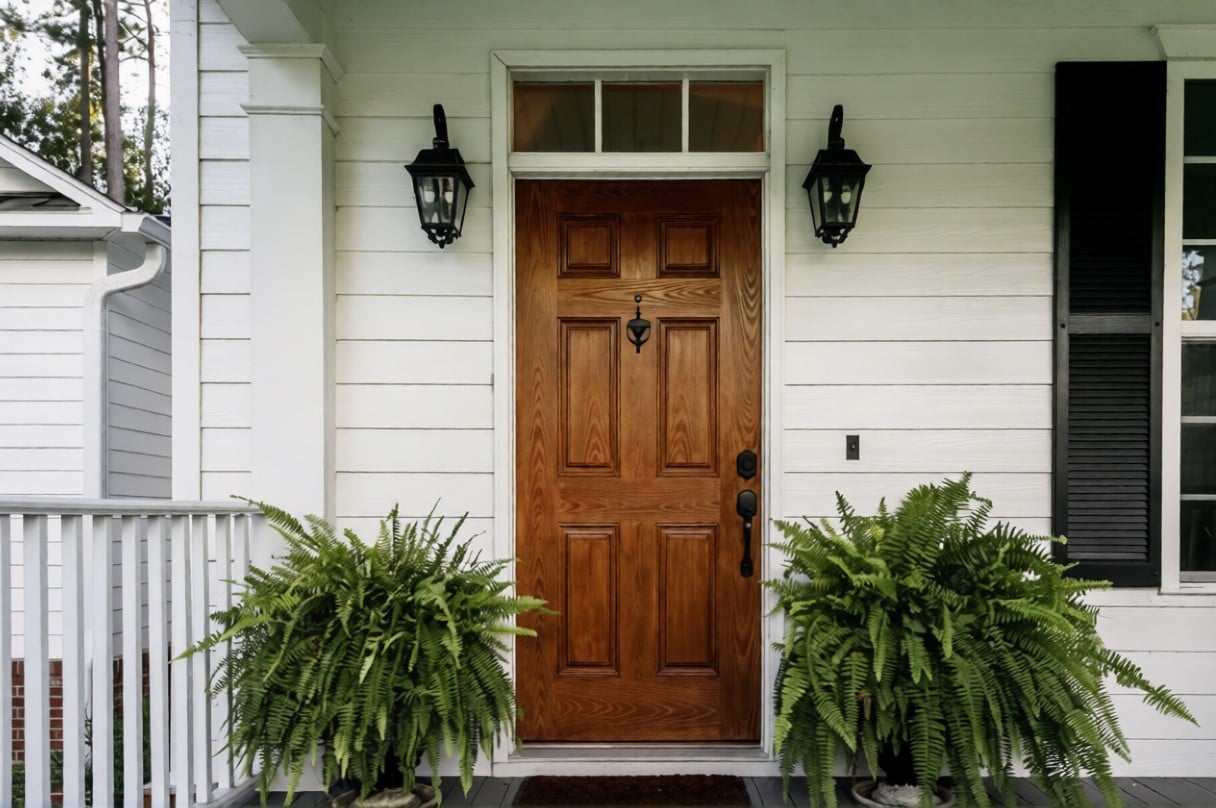
Before making major decisions, coordinate with the person legally authorized to protect the property. Do not change locks on an occupant, remove belongings or distribute personal property without confirming authority.
Check that:
Do not assume the existing homeowner policy will continue unchanged after the owner dies or if the property becomes vacant.
You need to know how the property was owned.
Look for:
Georgia permits transfer-on-death deeds, but the deed alone is not the entire post-death process. Ask a Georgia attorney to review the beneficiary acceptance and recording requirements under current law. Do not assume those Georgia rules apply to a South Carolina property.
Being named in a will does not automatically mean you currently have authority to sell the house.
Georgia probate law is primarily statewide.
Chatham, Bryan and Effingham counties do not each have different inheritance laws. What changes is the local Probate Court, filing process, fees and administrative procedures.
If there is a will, the executor may need to be formally qualified.
If there is no will, the estate is intestate and the Probate Court may appoint an administrator.
Some estates may qualify for a simpler process. Bryan County, for example, publishes a No Administration Necessary procedure for certain qualifying intestate estates when the legal requirements are met.
This is where a Georgia probate attorney is especially important.
Official Georgia probate forms:
https://georgiacourts.gov/council-of-probate-judges-standard-forms/
South Carolina probate law is also statewide, but estates are administered through the Probate Court in the county with the jurisdiction over the state. South Carolina Probate Courts handle the probate of wills, appointment of personal representatives, estate administration and determination of heirs. Before assuming a full probate estate is required, determine how the property was titled, whether there was a surviving co-owner or beneficiary designation, and whether the state qualifies for one of South Carolina's simplified procedures.
Learn more here: sccourts.org/courts/trial-courts/probate-court
This is one of the most important steps.
The person who has been handling family matters is not automatically the person who can legally sell the house.
Depending on the estate, authority may come from:
Before listing an inherited property, we want the closing attorney and estate attorney to confirm who has authority to act.

Do this even if the family is not ready to sell.
The IRS states that the tax basis of inherited property is generally the fair market value on the date of death, subject to exceptions.
That can matter later when determining taxable gain or loss.
Possible documentation may include:
Your CPA or tax attorney should determine the correct basis and documentation for the estate or beneficiary. A current market analysis is not a substitute for a retrospective appraisal when one is needed.
For the separate question of what the home could sell for today, request a property-specific market analysis. An automated estimate alone should not drive an estate decision.
Official IRS resources:
https://www.irs.gov/publications/p559
https://www.irs.gov/publications/p551
An inherited house can become expensive to hold.
Add up:
If several heirs are still deciding what to do, these expenses continue in the meantime.
Understanding the monthly carrying cost helps everyone make a more informed decision. Remember this also when it comes time to sell and someone is "stuck" on listing higher than the Realtor you hire recommends. Depending on those expenses, every month overpriced can cost the heirs thousands of dollars of their inheritance.
Do this before you get too far into the sale process.
The closing attorney can help identify:
It is much easier to solve a title issue before the house is under contract than a few days before closing.

Inherited homes are often dated, but that does not mean the estate should spend heavily on renovations.
Before spending money, call an experienced Realtor to help advise you and compare:
Sometimes targeted repairs make sense.
Sometimes cleaning, clearing out the house and selling it largely as-is is the better financial decision.
The Trisha Cook Team can help evaluate both scenarios before estate funds are spent.
Once title, authority, value and costs are clear, the family can make a better decision.
Selling may make sense when the heirs want liquidity or no one wants to maintain the home.
Renting may make sense if the property has strong rental potential and the family is comfortable becoming a landlord.
Keeping it may make sense if one heir wants the property and there is a workable plan for ownership and expenses.
If renting is being considered, Greater Savannah Property Management can evaluate likely long-term rent and management costs while The Trisha Cook Team evaluates the sale side.
The core Georgia probate law is the same. The local court process is different.
Chatham County Probate Court has a detailed Decedent’s Estate resource center with forms, filing information and estate guidance. Please note that Chatham County Probate is known for not being a swift process! Get started ASAP.
https://courts.chathamcountyga.gov/Probate/DecedentsEstate
Bryan County Probate Court provides information for estates with and without a will, including No Administration Necessary proceedings.
https://www.bryancountyga.gov/government/courts/probate-court
Effingham County Probate Court handles wills, estate administration and related probate matters.
https://www.effinghamcounty.org/151/Services
Ask the estate attorney which county has jurisdiction. The deceased owner’s residence and any property located in another state can affect the required filings; the house’s address alone is not always the answer.
The practical questions are similar, but South Carolina probate and sale procedures are separate from Georgia’s. This applies in Greenville just as it does in Beaufort County, Bluffton and Hilton Head.
South Carolina calls the court-appointed estate fiduciary the personal representative. Before listing estate real estate, have a South Carolina attorney review the will, appointment documents and sale authority. Section 62-3-711 places specific limits on real-estate sales unless the will authorizes otherwise; other statutory procedures may be needed.
Official South Carolina probate law:
https://www.scstatehouse.gov/code/t62c003.php
For Lowcountry estates, Beaufort County Probate Court provides estate-administration resources. Greenville County’s Probate Court offers estate FAQs and filing guidance for Upstate families. Use the court with jurisdiction over the estate, which your attorney should confirm.
https://www.beaufortcountysc.gov/probate-court/estate-administration.html
https://www.greenvillecounty.org/Probate/EstateFAQ.aspx
If the deceased lived in one state and owned real estate in another, ask whether an additional local proceeding is needed. Do not assume one appointment automatically resolves every property in both states.
An inherited-property sale is rarely just a normal listing.
There may be probate questions, multiple heirs, title issues, tax questions, property clean-out, deferred maintenance, rental decisions and family disagreements happening at the same time.
As a Certified Real Estate Planner, Trisha Cook has additional training in how real estate fits into probate, trusts, inheritance, estate planning and other major financial transitions. Our Skidaway Island guide to planning for the next stage explores another part of that work.
That means the real-estate side can be coordinated with the estate attorney, closing attorney, CPA, financial advisor, appraiser, property manager and other professionals involved.
It does not mean giving legal or tax advice.
It means understanding where real estate fits into the bigger picture and helping the family avoid unnecessary mistakes, delays and duplicated work.

If you just inherited a house in Georgia or South Carolina, start here:
You do not need to solve everything immediately.
You do need to protect the property and make sure the next decision is being made by the right person with the right information.
For help evaluating an inherited home in Savannah, Pooler, Richmond Hill, Effingham County, Bluffton, Hilton Head, Beaufort or Greenville, contact The Trisha Cook Team at Compass at 912-737-2935.
Not always. It depends on how the property was titled and whether it passed through a will, trust, survivorship ownership, transfer-on-death deed or another structure. A Georgia probate or estate attorney should confirm the correct process.
Sometimes. The estate may be able to sell before the entire probate process is complete, but the person signing must have legal authority and the estate must be able to convey title.
The estate is intestate. Georgia law determines the heirs, and the Probate Court may appoint an administrator. Some estates may qualify for a No Administration Necessary procedure.
The IRS states that inherited-property basis is generally fair market value on the date of death, subject to exceptions. A CPA or tax attorney should determine the basis for the specific estate.
It depends on title and estate authority. A personal representative may have authority that individual heirs do not. If multiple people already hold title, additional signatures or legal action may be required.
A Certified Real Estate Planner has additional training in real estate issues involving probate, trusts, inheritance, estate planning and major life transitions. The role is to help coordinate the real-estate side with the appropriate legal, tax and financial professionals.
Not automatically. Compare the as-is value, repair costs, expected sale price after repairs and carrying costs before spending estate funds.
The Trisha Cook Team at Compass serves Coastal Georgia, the South Carolina Lowcountry and Greenville. Trisha Cook has been licensed since 2007, established the team in 2011 and is a Certified Real Estate Planner. The team can help with valuation, preparation and sale planning while coordinating with your estate attorney and tax professionals. Call 912-737-2935 to discuss the property.
Stay up to date on the latest real estate trends.
seller education
A practical guide to protecting the property, confirming authority, understanding value and choosing what comes next in Coastal Georgia, the Lowcountry and Greenville.

seller education
How families can work through pricing, repairs, buyouts and shared ownership, with separate Georgia and South Carolina legal guidance.
Explore nearby restaurants, Daffin Park and fall 2026 events, with practical advice for getting to know this part of Savannah.

Coastal Georgia living
What sellers and buyers in Savannah, Pooler, Richmond Hill, Bluffton, Hilton Head and surrounding communities should know before repairing, replacing or negotiating a … Read more

events
Festivals, Food, Fall Fun & Things to Do From Savannah to Hilton Head Island

Savannah Quarters
Clear answers about the gates, Club, HOA, neighborhoods, schools, flood zones and daily life in Savannah Quarters.
Real Estate & Home Buying
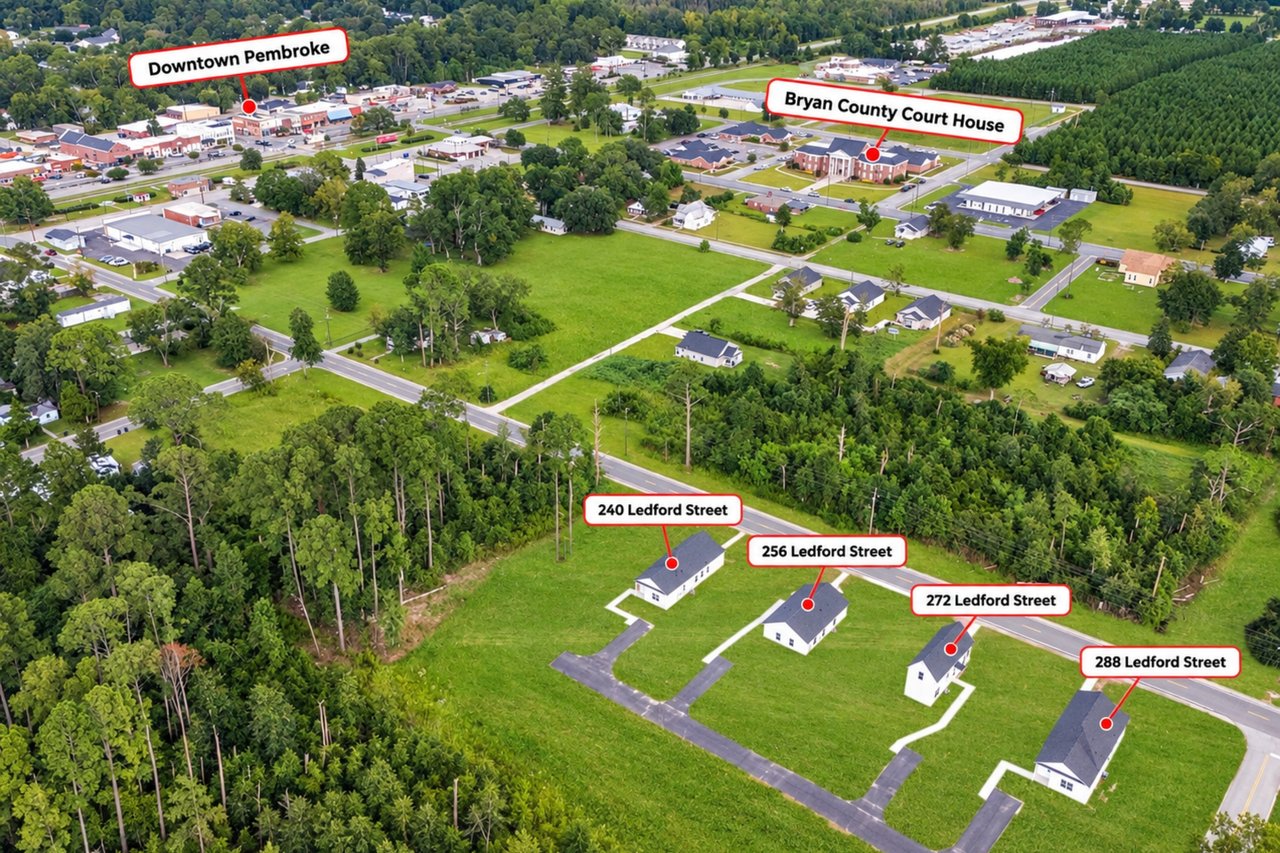
A rare opportunity to purchase a newly built home below market value with up to $40,000 in assistance for qualified buyers.

Savannah Quarters
A practical comparison of location, gates, homes, amenities and ownership costs across the two best-known sides of Savannah Quarters.

Buying a Home
A clear explanation of Savannah Quarters HOA fees, Club memberships, amenity access and the charges buyers need to verify before closing.
Join hands with Savannah’s premier coastal specialists for a real estate experience that’s as unique as you are. Whether buying, selling, or exploring new opportunities, our team is dedicated to guiding you with warmth, and expert insight.