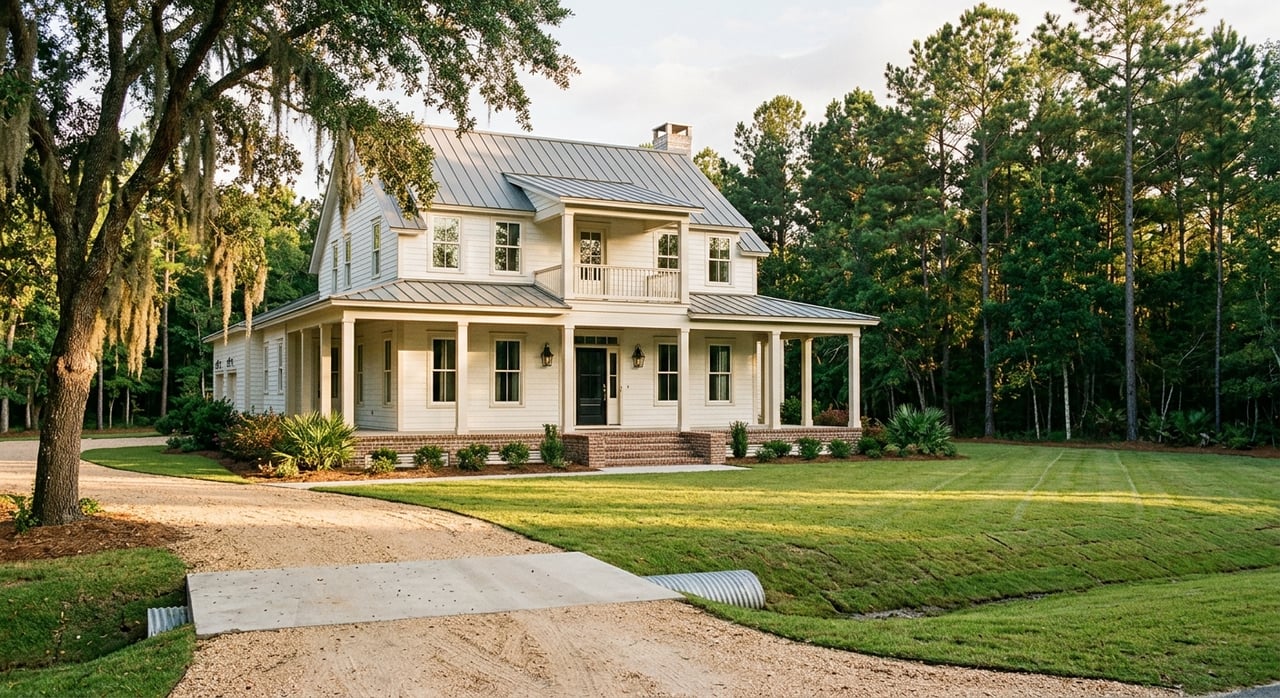
New Construction And Land In Effingham County: What Buyers Should Know
June 11, 2026
June 11, 2026
Building a new home or buying land in Effingham County can be exciting, but it also comes with more moving parts than many buyers expect. You may be thinking about acreage, a homesite in a subdivision, or a to-be-built home, and each path has its own rules, costs, and timeline. If you understand the county review process, utility options, road access, and contract details up front, you can make smarter decisions with fewer surprises. Let’s dive in.
In Effingham County, buying new construction or raw land is not just about picking a floor plan or finding a pretty parcel. The county’s Planning & Zoning division oversees growth in unincorporated areas, including subdivision regulations, development review, rezoning, variances, encroachment permits, and land-disturbance permits.
The county also states that permitting, licensing, and payments run through its OpenGov portal. That means if you are buying land or a home that still needs construction to begin, county approvals can directly shape your timeline.
Before residential construction starts, the county requires a permit application with a detailed site plan. That site plan must show other structures, septic tank and drainfield areas, well locations, and distances from property lines.
The county also requires floodplain engineer approval for site plans and Georgia design-professional stamps on submittal plans. If the home will rely on septic, County Health Department approval is also required before moving forward.
There are a few timing rules buyers should know. Work cannot begin before the permit is issued, construction must start within 180 days of permit issuance, and no dwelling can be occupied until a certificate of occupancy is issued.
For buyers, this matters because a promising piece of land may still need several layers of review before it is truly ready to build on. A realistic timeline should account for approvals, inspections, and final occupancy requirements.
Not all land in Effingham County works the same way. A subdivision lot may offer a more defined path to construction, while a larger tract can give you flexibility but may require more investigation.
Under county rules, a minor subdivision is generally no more than three lots fronting an existing public or private street, with no new street and no public improvements. The county code also says lots in a minor subdivision, or a subdivision of three lots or fewer, generally should be served by a public street, though a private access road may be allowed in certain cases.
For you, that means a small split parcel is not automatically simple. You still need to confirm whether access meets county standards and whether any private road conditions apply.
Major subdivisions come with more infrastructure requirements. If lots do not front an existing county road, the developer must provide access with at least a 60-foot right-of-way.
The county code also states that the developer is responsible for building and maintaining the access road until the county accepts it for maintenance. If the road stays private, plat notes should reflect that responsibility remains with the abutting property owners unless the county later accepts the road.
That ownership and maintenance detail matters more than many buyers realize. It can affect ongoing costs, long-term access, and how straightforward the property may be to finance or build on.
In Effingham County, road frontage is not just a map detail. The county lists an Access Management Policy, Final Plat Ordinance, Development Impact Fee Ordinance, and a frontage-lots amendment tied to GDOT driveway and encroachment control.
In plain terms, driveway placement, road frontage, and whether the road is county-maintained or state-maintained can affect both timing and feasibility. If you are considering land, one of the first questions to ask is whether the parcel needs a county encroachment permit or a GDOT driveway or access permit.
A property can look perfect online and still have access issues that delay construction. This is one reason local guidance is so valuable when you start narrowing your options.
A land or new-construction budget should go beyond the purchase price. County review fees, utility connection charges, and site-related costs can materially change the total amount you need to spend.
Effingham County’s 2025 fee schedule provides a helpful baseline. Site plan or preliminary plat review is listed at $300, single-family development plan review at $175 plus $20 per lot, final plat fees at $50 for simple subdivisions, $75 for minor subdivisions, and $100 plus $15 per lot for major subdivisions. Land-disturbing activity permits are listed at $80 per acre.
If county water and sewer are available, connection costs are another major line item. The county’s 2025 schedule lists a water connection charge of $3,837 per residential unit, a sewer development fee of $7,423 per residential unit, and a reuse capital cost recovery fee of $1,430 per residential unit.
When you compare a finished subdivision lot with raw acreage, these numbers can help explain why two properties with similar list prices may have very different total project costs.
Utility availability is one of the biggest differences between buying in an established community and buying raw land. Some parcels may connect to county systems, while others will need a private well, septic system, or both.
Effingham County states that it supplies drinking water from treated surface water purchased from Savannah and from groundwater wells. Most customers are piped from the Savannah I&D plant, while several outlying developments use groundwater well systems.
For county water service, the billing office requires an application, a copy of the lease or property disclosure statement, a signed water treatment agreement, and a deposit. The county says service is typically activated within 48 hours after everything is received.
For septic systems and individual drinking water supplies, the Coastal Health District’s Environmental Health program handles permitting and inspections. State guidance notes that private wells must be installed by a licensed water well contractor and should be set back from septic tanks, drainfields, and animal enclosures.
State guidance also recommends annual bacterial testing and periodic chemical screening for private wells. For buyers, the key takeaway is simple: septic feasibility, well placement, and testing should be part of your pre-closing due diligence, not something left for later.
Flood risk and drainage are important parts of the puzzle in Effingham County. The county states that it is an MS4-permitted system and that all new development and redevelopment in unincorporated Effingham County must comply with its stormwater management plan and low-impact development guidance.
The county also says it provides flood-zone information, flood-depth estimates, and preliminary DFIRMs that permit officials use to regulate floodplain development. On the building side, site plans must be approved by the floodplain engineer.
That means floodplain review is not a box to check at the end. If you are considering land or a homesite, ask early whether the lot is in or near a flood zone or drainage problem area and whether the site plan has cleared floodplain review.
When you buy a newly built or to-be-built home, the contract details matter just as much as the homesite. You may be asked for an upfront builder deposit, so it is important to ask when that deposit is refundable.
You should also know that you do not have to use the builder’s affiliated lender. Shopping financing options can help you compare costs, terms, and overall fit for your goals.
Reviewing closing documents carefully and using contingencies when appropriate can also help protect you during the process. New construction often feels streamlined, but it still deserves the same careful review as any other major purchase.
Most newly built homes come with a builder warranty. Common warranty structures often cover workmanship and materials for one year, HVAC, plumbing, and electrical systems for two years, and major structural defects for up to 10 years.
If the loan is FHA- or VA-financed, builders may need a third-party warranty. It is also smart to read the warranty and dispute-resolution sections closely, since many warranties require mediation or arbitration.
One of the biggest mistakes buyers make with new construction or land is assuming the timeline will be simple. In Effingham County, permit issuance, inspections, floodplain review, septic approvals, access issues, and utility setup can all affect when work begins and when you can move in.
The county states that work must begin within 180 days after permit issuance, inspections must be scheduled in advance, and no one may occupy a dwelling before a certificate of occupancy is issued. If the property also needs a well, septic system, driveway approval, or floodplain sign-off, those steps can add time.
A realistic timeline helps you plan your financing, current housing, and move with less stress. It also gives you a better framework for evaluating whether a builder’s or seller’s schedule lines up with county requirements.
If you are considering new construction or land in Effingham County, bring these questions to every showing, consultation, and contract conversation.
The more answers you have before you go under contract, the more confident your next step can feel.
Buying land or new construction in Effingham County can absolutely be worth it, especially when you go in with a clear plan. The key is understanding how county approvals, utilities, access, and contract terms fit together before you commit. If you want experienced local guidance as you compare lots, builders, or homesites, connect with The Trisha Cook Team for a VIP consultation.
Stay up to date on the latest real estate trends.

Coastal Georgia living
Summer is in full swing, and July is one of the best months to experience everything the Lowcountry has to offer.

Lifestyle
Coffee Shops, Hotel Lounges, and Scenic Spaces for Remote Workers Considering a Move

Coastal Georgia living
These celebrations showcase the lifestyle that makes this region so attractive to homeowners.
Coastal Georgia living
From building my first home in Pooler in 1999 to helping thousands of buyers and sellers navigate the market, here's what I've learned about living, investing, and buy… Read more
Coastal Georgia living
Coastal Georgia living
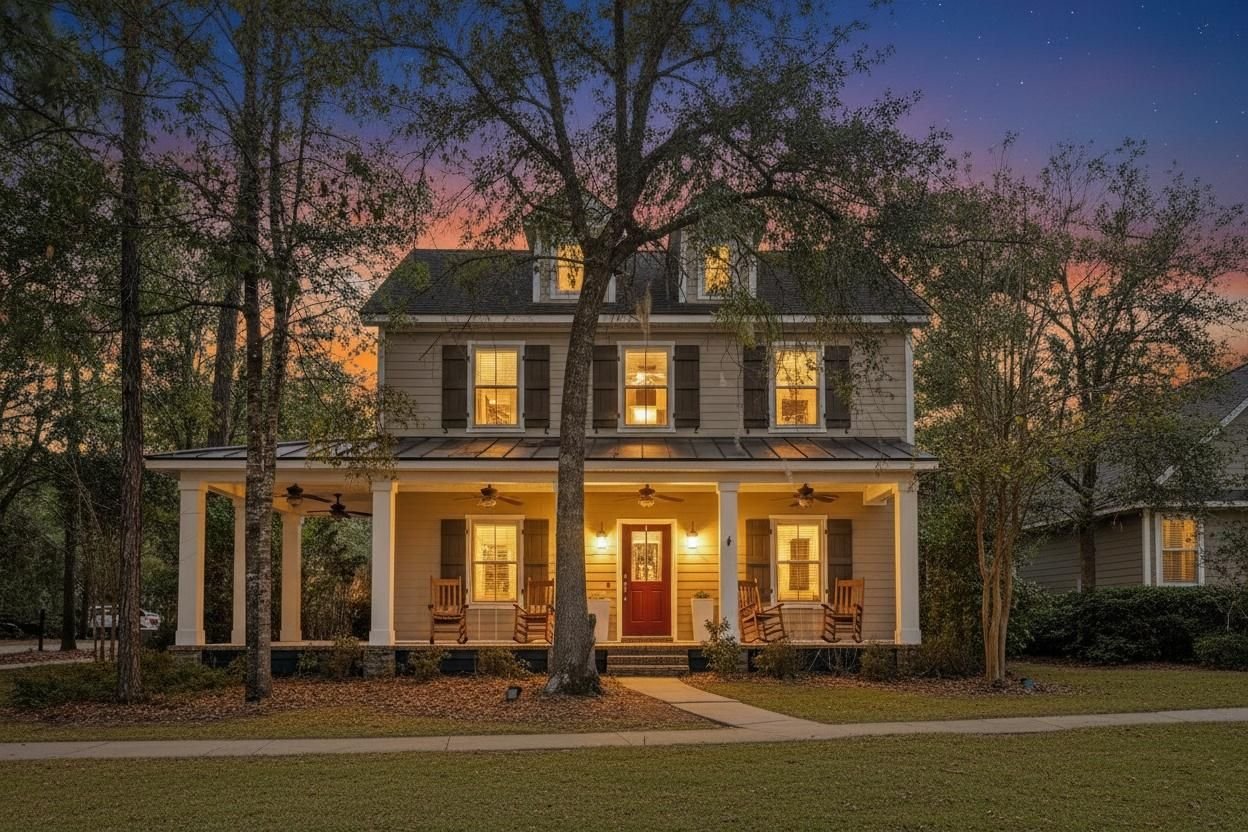
Discover the front porch views, greenspace setting, and golf-cart lifestyle that make this Waterways home stand out.
Coastal Georgia living
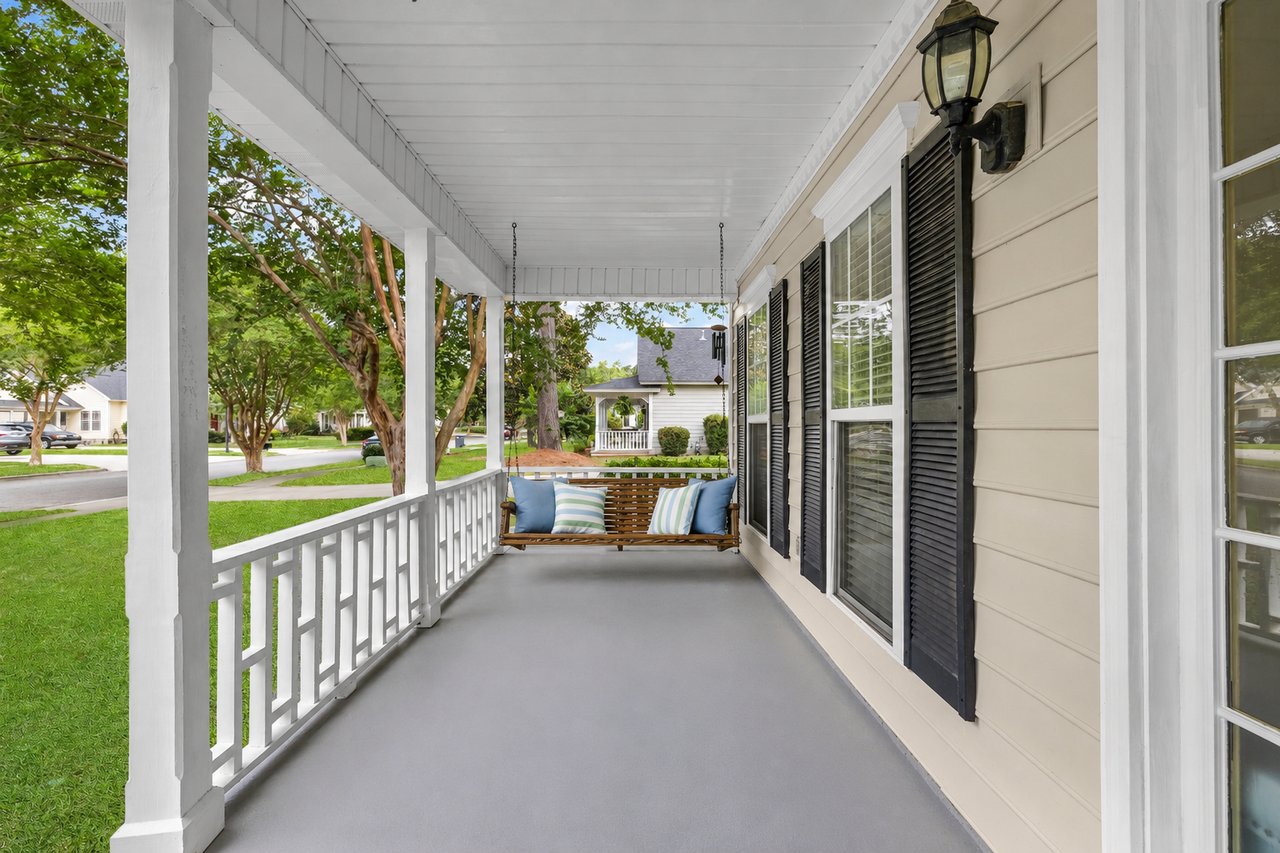
A rare opportunity to own a flexible five-bedroom home in one of Savannah's most charming and overlooked front-porch communities.
Join hands with Savannah’s premier coastal specialists for a real estate experience that’s as unique as you are. Whether buying, selling, or exploring new opportunities, our team is dedicated to guiding you with warmth, and expert insight.