
What Coastal Georgia Living Is Really Like
Coastal Georgia living Trisha Cook July 2, 2026
Coastal Georgia living Trisha Cook July 2, 2026
If you're thinking about moving to Coastal Georgia, there’s something we should probably discuss before you fall completely in love with the live oaks, marsh views, beaches, boating, and waterfront homes.
The bugs.
Not exactly the glamorous topic most real estate websites lead with, but if you're relocating to Savannah, Richmond Hill, Tybee Island, Skidaway Island, Wilmington Island, Pooler, or anywhere along the Georgia coast, I’d rather tell you the truth than let you find out the hard way.
Living in Coastal Georgia is beautiful. It’s also humid, buggy, salty, pollen-covered, and occasionally feels like nature is personally testing your commitment.
I live on deep water, so I’m not speaking from theory. I’m speaking from the front lines.
And around here, the seasons are not just spring, summer, fall, and winter.
They’re more like pollen, love bugs, gnats, biting flies, mosquitoes, and “what in the world just flew at my head?”
Let’s start with why people move here in the first place.
You can spend the afternoon boating on the river, kayaking through the marsh, fishing off your dock, or watching dolphins swim by while the sun sets over the water. The beaches are close, the seafood is fresh, and life moves a little slower in the best possible way.
Some of the most beautiful waterfront homes in Georgia are tucked along our rivers, creeks, and marshes. Whether you’re looking for a deep-water dock, a marshfront retreat, or a neighborhood shaded by centuries-old live oaks, Coastal Georgia offers a lifestyle that is hard to duplicate anywhere else.
It’s why so many people come for a visit and end up asking, “What would it look like if we lived here?”
Living near the water also means living with nature.
Spring brings pollen that covers everything.
Then come the love bugs, usually attached to each other and apparently very proud of it.
Then the gnats arrive.
Then the biting flies.
Then the mosquitoes get comfortable.
If you live near the marsh, deep water, woods, ponds, or rural acreage, you learn very quickly that bug spray is not an accessory. It is a household staple.
Now let’s meet some of the locals.
Let’s just get this one out of the way.
They’re big.
Sometimes they fly.
No one asked them to.
If you’ve never seen a palmetto bug before, your first reaction will probably involve words your grandmother would not approve of.
Here’s the good news. Seeing an occasional palmetto bug does not mean your home is dirty. They live outside and wander in, especially after heavy rain or during hot weather. They do not care if your home is $300,000 or $3 million. Equal opportunity offenders. Leave your doors closed. Especially in hot months or rainy days.
Routine pest control is simply part of owning a home in Coastal Georgia.
If you buy a home on the marsh or near the water, congratulations.
You have also purchased a front-row seat to the mosquito convention.
They are definitely more active during the warmer months, especially around dawn and dusk, but most homeowners keep them under control with professional mosquito treatments, porch fans, screened outdoor spaces, and a healthy relationship with bug spray.
Personally, I’ll take the mosquitoes if it means I get the deep-water view.
Until today, I honestly thought no-see-ums and gnats were basically the same thing.
I was today years old when I learned they are not.
Apparently, northerners tend to say “no-see-ums” and southerners tend to say “gnats,” which feels about right because down here we like to keep things simple while aggressively swatting at our faces.
Gnats do not usually bite. They just want to live inside your eyes, ears, nose, and mouth.
No-see-ums are smaller, sneakier, and can actually bite. You may not see them, but you will absolutely feel them.
Either way, if you are spending time near the marsh at sunrise, sunset, or during certain weather patterns, you are going to meet them.
If mosquitoes are annoying, yellow flies are personal.
They do not politely stop by.
They attack with commitment.
Around late April through June, you will see people around Coastal Georgia putting out those big, ugly blue sticky balls in their yards. They are not yard art. They are war strategy.
And if you look closely, those things can end up covered with hundreds of yellow flies, deer flies, and horse flies.
Disgusting? Yes.
Effective? Also yes.
Pretty? Absolutely not.
But neither is getting attacked while trying to enjoy your own backyard.
Think of yellow flies’ bigger, meaner cousin.
Horse flies tend to be more common around open fields, horses, rural properties, and waterfront areas, but when they show up, you know it.
They are loud, aggressive, and their bite is not subtle.
Mayflies are probably the easiest bugs on this list.
They do not bite.
They do not sting.
They simply show up in impressive numbers for a short time, make everyone wonder what is happening, and then disappear almost as quickly as they arrived.
They are more inconvenient than offensive.
Love bugs are not dangerous.
They do not bite.
They just arrive in pairs, fly around attached to each other, and cover your windshield, grill, porch, and patience.
They are basically Coastal Georgia’s least private residents.
After helping buyers move to Coastal Georgia for nearly two decades, I can honestly say this.
I have never had someone call me six months after buying their dream home and say, “We need to move because of the bugs.”
I have had them call because they bought a boat.
Because they finally built the dock they always wanted.
Because they want a bigger waterfront home.
Because their family now spends weekends on the water.
Because the marsh view changed the way they live.
The bugs eventually become part of everyday life.
The sunsets never do.
Every place has something.
Some places have snow.
Some have wildfires.
Some have traffic that makes you question humanity.
Here in Coastal Georgia, we have palmetto bugs, mosquitoes, gnats, no-see-ums, yellow flies, horse flies, mayflies, love bugs, pollen, humidity, and enough bug spray to stock a small hardware store.
But we also have deep-water living, marshfront homes, boating, beaches, dolphins, live oaks, historic charm, coastal wildlife, and one of the most unique lifestyles you will find anywhere in the Southeast.
For most of us, that is a trade we will happily make every single day.
They can be, especially near marshes, deep water, ponds, wooded areas, and rural properties. But they are manageable with pest control, mosquito treatments, screened porches, fans, bug spray, and realistic expectations.
Yes. Palmetto bugs are common throughout Savannah and Coastal Georgia, especially after heavy rain or during hot weather. Occasional sightings are normal, even in clean, well-maintained homes.
No. A lot of people use the terms interchangeably, but they are not exactly the same. Gnats are usually more annoying than painful. No-see-ums are tiny biting insects that can leave itchy bites.
Usually, yes. Homes near marshes, rivers, ponds, deep water, and wooded areas typically have more mosquitoes than neighborhoods farther inland. Most waterfront homeowners manage them with professional treatments and simple outdoor precautions.
Those are fly traps, usually used for yellow flies, deer flies, and horse flies. They are especially common from late April through June. They are ugly, but they work.
In my opinion, no. Bugs are part of the coastal lifestyle, but they are not the whole story. For most homeowners, the beauty, boating, wildlife, sunsets, and waterfront living far outweigh the seasonal inconvenience.
Yes, if you understand the trade-offs. Coastal Georgia living comes with humidity, bugs, pollen, and maintenance, but it also comes with marsh views, boating, beaches, historic charm, deep-water homes, and a lifestyle many people dream about.
Stay up to date on the latest real estate trends.
Buying a Home
Two private Hilton Head communities, with different boating setups and practical questions buyers should settle before choosing a home.

Buying a Home
Look beyond the dues to understand reserves, planned projects, special assessments and the questions that need written answers.

Commercial / Investment Properties
What rental owners should compare beyond the monthly fee, from leasing and maintenance to records, inspections and time.
Community Guides
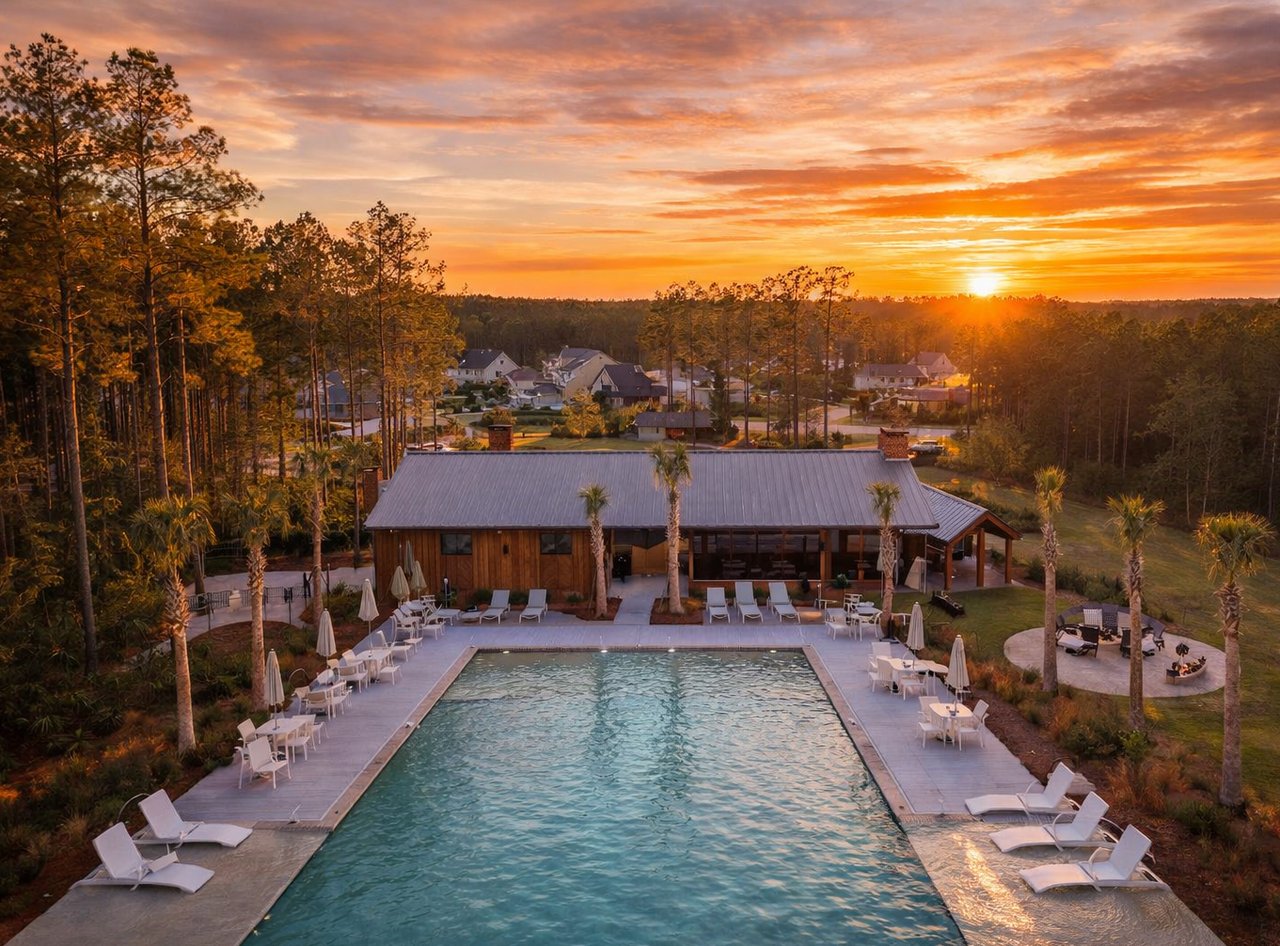
What to know about this Richmond Hill community, its homes, amenity plans and place in a Savannah-area retirement search.
Coastal Georgia living
What the winter project could mean for beach access, property showings and buying or selling on Tybee in 2026–2027.

Selling A Home
Luxury photography is only the beginning. Pricing must account for the specific neighborhood, Club access, lot position, upgrades and competing new construction.

buyer education
What Michael Toma’s latest Georgia Southern report tells us about jobs, new construction and real estate decisions in Chatham, Bryan and Effingham counties.

Community Guides
Compare ownership costs, Club structure, golf, marina access, rental rules and the practical differences buyers should understand before choosing between Hilton Head P… Read more
Join hands with Savannah’s premier coastal specialists for a real estate experience that’s as unique as you are. Whether buying, selling, or exploring new opportunities, our team is dedicated to guiding you with warmth, and expert insight.