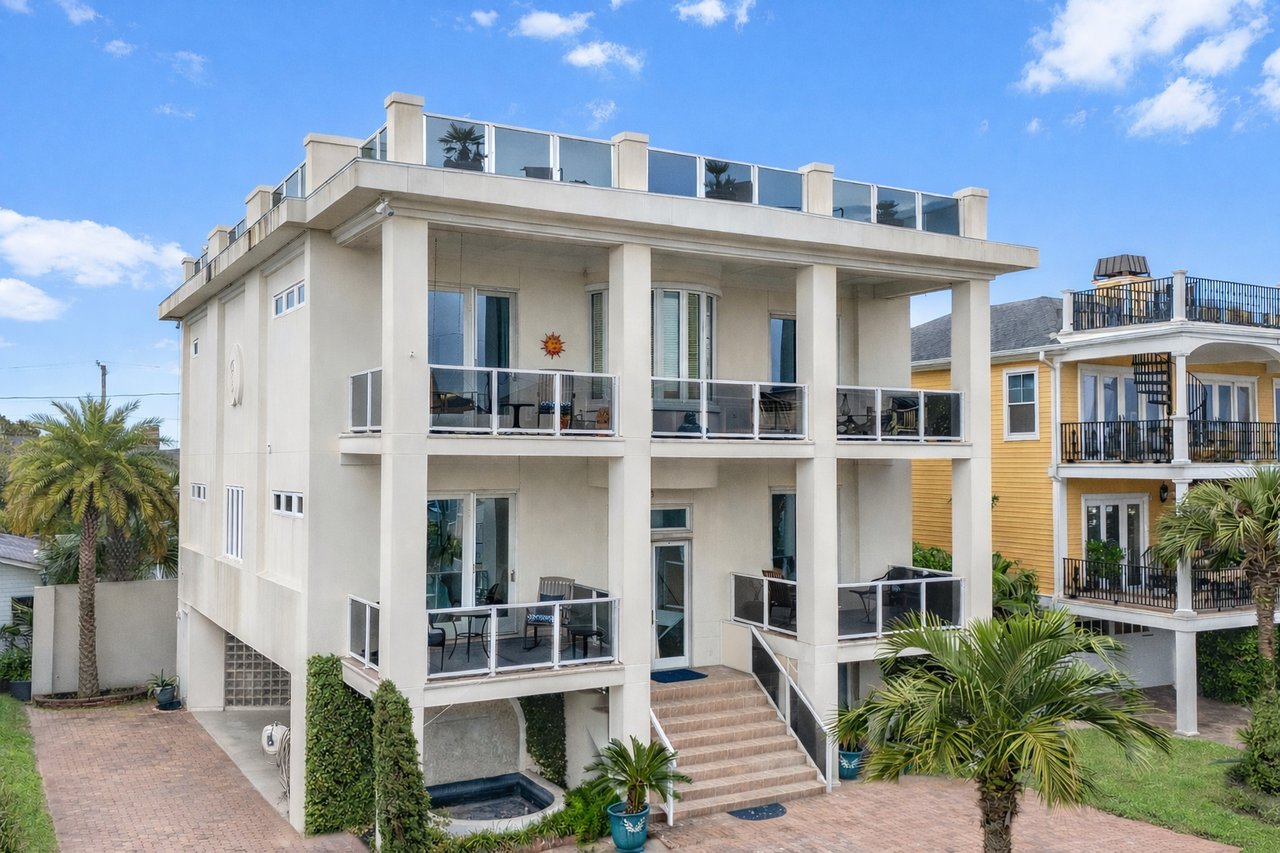
Buying A Vacation Rental On Tybee Island: Key Questions To Ask
buyer education Trisha Cook July 9, 2026
buyer education Trisha Cook July 9, 2026
Buying a vacation rental on Tybee Island can provide rental income, a personal beach getaway, a realization of a dream come true and ownership in one of Coastal Georgia’s most recognizable destinations.
It can also leave you with an expensive beach house that you thought you could rent but legally cannot, and can't even sell it for what you have in it.
That is why the first question should not be, “How close is it to the beach?”
The first question should be:
Can I legally use this specific property as a short-term vacation rental after I buy it?
Currently the city of Tybee government is expected to rule on amending very overbearing rental restrictions put into place during the last city council's term. We are expected to hear more about this end of Summer 2026, to which would be a wecomed & supported change by the majority of property owners & Tybee residents.
Obviously, I am pro-STVR, and I own a Tybee Island vacation rental myself. And, I am also pro-rules, pro-accountability, pro-neighbor and pro-property rights.
I do not support taking away someone’s lawful property rights or using government overreach to broadly punish responsible owners. I do support meaningful enforcement against owners and guests who violate occupancy limits, parking requirements, noise ordinances, trash rules or other operating standards.
Those positions are not contradictory.
Vacation-rental owners should follow the rules. Guests should respect the people who live beside them. Permanent residents should be able to quietly enjoy their homes. Owners who repeatedly fail to operate responsibly should face consequences.
At the same time, compliant property owners should not lose a lawful use of their property simply because they sell it or because another operator failed to follow the rules.
Tybee has done a good job establishing a Good Neighbor Policy designed to address many of the legitimate concerns surrounding vacation rentals. The policy educates guests about noise, occupancy, parking, trash, beach rules and respect for surrounding properties. Tybee also requires a local contact who can respond to complaints and take corrective action.
Responsible STVR ownership and quiet residential neighborhoods can coexist.
Both can be true.
Why I Am Pro-STVR on Tybee Island:
My position is not based only on tourism or the fact that I own a vacation rental.
I watched what happened to Tybee’s real estate market when owners in certain residential districts could no longer sell their properties with the same short-term rental rights intact.
When an existing vacation rental could not continue operating after a sale, that property immediately lost part of its potential buyer pool. Investors who needed rental income could no longer consider it. Some second-home buyers who planned to rent the property when they were not using it could no longer consider it either.
In my day-to-day work in the Tybee market, I watched months of housing inventory climb above 10 months. Properties now take. much longer to sell, owners had fewer options and values came under pressure.
That did not affect only large investors or online booking platforms.
It affects individual property owners who have operated responsibly, followed the rules and built financial plans around a lawful rental use. Some relied on the income and equity as part of their retirement, yet now their property values have plummetted. Others use it to offset the substantial costs of flood insurance, wind coverage, taxes, maintenance and owning property on a barrier island. To tell them they cannot do so is governement overstep, in my humble opinion. I'm sure some of you will disagree with me, and that's ok. That's what makes this great nation so great, after all. And yet, it truly does effect us all, even if we don't choose to rent out our personal homes.
When the government prevents a lawful rental use from continuing after a sale, the financial damage can fall directly on the individual owner.
It can affect:
• Property values & the local economy
• Retirement income
• Buyer demand
• Days on market
• Months of housing inventory
• An owner’s ability to sell
• The long-term marketability of the property
Regulating irresponsible behavior is appropriate.
Taking away lawful property rights from compliant owners is a different issue.
I am not for government overreach. I am not for removing someone’s property rights simply because the property changes hands. And I am not for not allowing a property owner to protect themselves & their families by putting their home into a trust or LLC. All of which the Tybee City Council has done. I am for enforcing the rules already designed to address noise, parking, occupancy, trash and other neighborhood concerns.
Enforcement should target the behavior and the responsible party. A compliant owner should not be punished because another owner allowed overcrowding, ignored complaints or operated irresponsibly.
Why invest in a Tybee Island vacation rental?
Even with the current restrictions, there are still areas of the island where you can buy a vacation rental and you can always buy a long term or mid term rental, as no restrictions are on those. Tybee Island offers something difficult to duplicate. It is a true beach destination located approximately 18 miles from Historic Savannah, allowing visitors to experience both the coast and one of the Southeast’s leading tourism destinations.
Tybee attracts:
• Family beach vacations
• Couples and weekend travelers
• Weddings and group trips
• Fishing and boating visitors
• Savannah tourists who also want beach access
• Extended families who prefer a home over several hotel rooms
• Repeat guests who return to the island year after year
Vacation rentals provide kitchens, gathering spaces, outdoor areas, private parking, multiple bedrooms and other features that are difficult to replicate in a traditional hotel, and there just aren't many hotels anywhere near Tybee, making the demand for vacation rentals very high.
STVR guests also support cleaners, property managers, maintenance companies, local restaurants, local shops, tradespeople and other local businesses.
The investment opportunity can be strong, but Tybee is not a market where buyers should make assumptions. The legal use, expenses and operating details matter just as much as the location.
Tybee defines a short-term rental as an accommodation rented to transient guests for fewer than 30 consecutive days. An STR certificate is required and must be renewed annually.
However, not every Tybee property is eligible for a new certificate.
Current regulations restrict new certificates in certain residential zoning districts, including R-1, R-1-B and R-2. Some existing rentals in those districts may continue as established nonconforming uses, but that does not necessarily mean a new owner can continue operating the property as an STVR after purchasing it.
Before writing an offer, confirm:
• The zoning district
• Whether the property has an active STVR certificate
• Whether the certificate is in good standing
• Whether there are unresolved violations
• Whether the rental use can continue after closing
• Whether a new owner must file a new application
• Whether any pending ordinance could affect the property
Do not assume that an Airbnb or Vrbo listing proves the property is legally compliant.
It proves someone created a listing.
This may be the most important question when buying a vacation rental on Tybee Island.
An active certificate under the seller’s ownership does not necessarily mean the buyer will receive the same rental rights after closing.
This distinction can materially change:
• The value of the property
• The amount a buyer should pay
• Whether rental income can be included in financing decisions
• The type of buyer who may purchase the property later
• The property’s future resale value
Tybee has continued discussing changes to its STVR framework, including different geographic limits and permit concentrations for various parts of the island.
A proposed ordinance is not a final ordinance.
Buyers need confirmation of the rules actually in effect for the specific property at the time of the offer and again before closing.
The purchase agreement should provide enough due-diligence time to verify the zoning, certificate status, ownership history and continued rental eligibility directly with the appropriate city department. When the answer is unclear, a real estate attorney familiar with Tybee Island zoning and STVR regulations should review it.
Legal eligibility is only the beginning.
A property can have a valid certificate and still be a poor investment.
Strong Tybee vacation-rental candidates often have:
• Easy beach access
• Practical on-site parking
• Legal bedrooms and bathrooms
• A guest-friendly floor plan
• Outdoor living space
• Ocean, river or marsh views
• A pool or community pool
• Walkability to restaurants or attractions
• Updated furnishings
• Professional photography
• Reliable local management
The property should also have a clearly defined target guest.
A smaller condo may appeal to couples or small families. A multi-bedroom home with several bathrooms and adequate parking may work better for extended families or groups.
A property does not need every amenity.
It needs the right amenities for the guests most likely to book it.
“Cute beach house” is a description, not an investment analysis.
Tybee’s application materials calculate maximum occupancy based on the number of legal bedrooms.
Before using a projected guest count in your income analysis, verify:
• The number of legal bedrooms
• Maximum approved occupancy
• Whether additions or converted rooms were properly permitted
• Whether septic or sewer capacity creates a limitation
• Whether the advertised sleeping arrangements comply with city requirements
A bunk room, enclosed porch or converted garage may look impressive in photographs, but it should not be counted as a legal bedroom unless it meets the applicable requirements.
If the investment only works by accommodating more guests than the property legally allows, the investment does not work.
Parking is one of the least exciting but most important parts of Tybee vacation-rental due diligence.
Tybee requires an approved parking plan, and guests are expected to stay within the property’s legal parking capacity without blocking neighboring homes, driveways or public rights of way.
Ask:
• How many vehicles can legally park on the property?
• Are any spaces located in a public right of way?
• Can vehicles enter and exit without moving other cars?
• Will full-size SUVs fit?
• Does the property rely on public paid parking?
• Do condominium or HOA rules impose additional restrictions?
A driveway may technically hold four vehicles, but if guests have to play automotive Tetris every morning, it is not practical parking.
Do not take the seller’s best month and multiply it by 12.
Request at least two years of documentation when available:
• Gross rental revenue
• Occupancy by month
• Average nightly rate
• Owner-use dates
• Management fees
• Cleaning expenses
• Platform fees
• Refunds and discounts
• Utilities
• Maintenance
• Insurance
• Taxes and licensing costs
Tybee is a seasonal rental market. Summer, holidays, spring weekends and major events may perform very differently from slower winter periods.
Historical income also needs context.
A property may have underperformed because the owner blocked prime dates, used weak photography or hired an ineffective manager. Another property may appear unusually profitable because maintenance was deferred or owner use was minimal.
Focus on net income.
Gross bookings do not pay the expenses. Net income does.
A realistic Tybee vacation-rental investment analysis should include:
• Mortgage principal and interest
• Property taxes
• Flood insurance
• Wind and hail insurance
• Vacation-rental property coverage
• Liability insurance
• HOA or condominium dues
• Management fees
• Cleaning and linen costs
• Utilities and internet
• Booking-platform fees
• STVR licensing and business costs
• Repairs and preventive maintenance
• Pest control
• Pool maintenance
• Landscaping
• Furniture and appliance replacement
• Capital reserves
Salt air is beautiful in pictures and relentlessly destructive to metal, HVAC equipment, railings, windows, doors, decks and outdoor furnishings.
Maintenance is not an occasional surprise on Tybee.
It is part of the operating budget.
Tybee requires annual STVR certification and ongoing room-tax compliance. Georgia also imposes lodging-related taxes and a state hotel-motel fee.
Booking platforms may collect and remit certain taxes, but owners should not assume Airbnb or Vrbo handles every city, state and business obligation.
Confirm:
• Which taxes the platform remits
• Which taxes the owner must remit
• Whether monthly filings are required during months with no bookings
• Occupational-tax requirements
• Georgia hotel-motel fees
• Sales-tax treatment
• How personal use affects deductions
• Whether the owner’s participation level changes the federal tax treatment
Work with an accountant who understands short-term rentals.
A vacation rental may provide legitimate tax-planning opportunities, but it does not automatically erase your tax bill because someone on social media said it would.
Tybee is a barrier island. Flood, wind and storm risk must be evaluated before the due-diligence period expires.
Standard homeowners insurance generally excludes flood damage.
Request:
• The elevation certificate
• FEMA flood-zone designation
• Current flood-insurance information
• A new flood-insurance quote
• Wind and hail coverage
• Vacation-rental property coverage
• Liability insurance
• Loss-of-income coverage
• Prior insurance claims
• Roof age and condition
• History of water intrusion
• Storm-damage history
Do not use the seller’s existing insurance premium without verification.
Rates, coverage, deductibles and discounts can change when ownership changes.
City approval is only one layer.
An HOA or condominium association may have additional rules involving:
• Minimum rental periods
• Rental caps
• Guest registration
• Parking
• Pets
• Occupancy
• Amenities
• Noise
• Signage
• Approval procedures
Review the declaration, bylaws, current rules, meeting minutes, financial statements, reserves, master insurance policy and pending special assessments.
A listing that says “short-term rentals allowed” does not replace reviewing the actual governing documents.
Vacation rentals are not passive simply because reservations arrive through an app.
Someone must manage:
• Guest communication
• Cleaning and inspections
• Lockouts
• Plumbing and HVAC failures
• Trash
• Parking complaints
• Noise complaints
• Storm preparation
• Emergency response
Tybee requires a local agent or emergency contact who can respond promptly and take corrective action when a complaint occurs.
That requirement is an important part of protecting both guests and neighbors.
Interview management companies and ask:
• What percentage do you charge?
• What services are included?
• Who handles after-hours calls?
• How quickly do you respond to complaints?
• How are damages documented?
• How often is the property inspected?
• Who controls the online listing?
• Can the owner block personal-use dates?
• Are there restrictions during peak season?
The lowest management fee is not always the lowest operating cost.
Poor management can create bad reviews, unresolved maintenance, unhappy guests and frustrated neighbors.
Tybee’s Good Neighbor Policy is an important example of how vacation rentals and residential neighborhoods can coexist.
Owners and managers are expected to educate guests about:
• Quiet hours
• Noise restrictions
• Maximum occupancy
• Approved parking
• Trash collection
• Beach rules
• Disorderly conduct
• Respect for surrounding homes
That is the right approach.
Responsible operation should be expected. Violations should be addressed. Repeat offenders should face meaningful consequences.
Neighbors should not have to tolerate loud parties, blocked driveways, overflowing trash or chronic disturbances simply because a property is a vacation rental.
I support strong enforcement of these rules.
I support citations, fines and other appropriate consequences when owners or guests repeatedly violate them. Enforcement protects residents, responsible owners, the visitor experience and Tybee’s overall reputation.
What I do not support is using isolated violations as justification for broad government overreach or removing lawful property rights from compliant owners.
Those are two separate issues.
Tybee can enforce its Good Neighbor Policy and operating standards without taking away an owner’s right to continue or sell a legally established use.
Enforcement should be specific, consistent and directed at the violation.
It should not broadly punish every STVR owner.
Changing STVR regulations affect more than current rental income. They can affect future resale value.
Consider:
• Whether the rental status can continue after a future sale
• Whether the property works without STVR income
• Whether it would appeal to a second-home buyer
• Whether you are paying a premium for rental rights
• Whether that premium is supported by law
• How zoning or future caps could affect demand
• Whether the layout and location support long-term value
You do not need to predict every future City Council vote or court ruling.
You do need to avoid buying a property that only works under one optimistic assumption.
Tybee Island Vacation-Rental Buyer Checklist
Before closing, confirm:
• Zoning district
• Current STVR eligibility
• Active certificate status
• Whether rental rights continue after the sale
• Legal bedroom count
• Maximum occupancy
• Approved parking plan
• HOA or condominium restrictions
• Historical rental income
• Management fees
• Operating expenses
• City and state tax requirements
• Flood zone
• Elevation certificate
• Flood, wind and vacation-rental insurance
• Prior claims and storm damage
• Building permits and additions
• Roof, HVAC and major-system ages
• Maintenance and capital reserves
• Personal-use plans
• Conservative net-income projections
• Resale and exit strategy
Frequently Asked Questions About Tybee Island Vacation Rentals
Can every Tybee Island property be used as an Airbnb or vacation rental?
No. Tybee Island STVR eligibility depends on zoning, certificate status, ownership history and the regulations in effect at the time of purchase.
Does a Tybee Island STVR permit transfer to the buyer?
Not automatically. Restrictions may apply when ownership changes, particularly in certain residential zoning districts. Buyers should obtain property-specific confirmation before relying on rental income.
Are Tybee Island STVR rules changing?
Tybee has continued considering revisions to its short-term rental regulations. Proposed provisions should not be treated as final until formally adopted.
Is buying a vacation rental on Tybee Island a good investment?
It can be when the property has clear legal rental status, a desirable location, adequate parking, strong guest appeal, realistic expenses, appropriate insurance and a sound management plan.
How much can a Tybee Island vacation rental earn?
Income depends on location, property type, legal occupancy, amenities, management, reviews, seasonality and owner use. Buyers should review actual historical statements and calculate net income after all expenses.
Do Tybee vacation rentals hurt residential neighborhoods?
Poorly operated rentals can create noise, parking, trash and occupancy problems. Responsible rentals that follow Tybee’s Good Neighbor Policy and other operating rules can coexist with permanent residents.
Should Tybee enforce its STVR rules?
Yes. Occupancy, noise, parking, trash and licensing rules should be consistently enforced. Owners and guests who repeatedly violate the rules should face appropriate consequences.
Can Tybee enforce STVR rules without taking away property rights?
Yes. Enforcement can target specific violations and irresponsible operators without removing lawful rental rights from compliant owners or broadly restricting an owner’s ability to sell a property with its established use intact.
Why are Tybee Island STVR regulations important to property values?
When a property loses its ability to operate as a vacation rental after a sale, it may lose investors and second-home buyers who depend on rental income. A smaller buyer pool can increase inventory, extend marketing time and place pressure on property values.
How can STVR restrictions affect retirement income?
Some Tybee owners rely on vacation-rental income as part of their retirement planning or to offset coastal ownership costs. Removing the rental use or preventing it from continuing after a sale can reduce income and affect the value of the owner’s asset.
What is the biggest mistake Tybee STVR buyers make?
Assuming that because a property is currently advertised or operated as a vacation rental, the buyer will automatically be allowed to continue renting it after closing.
Who should I work with when buying a Tybee Island investment property?
Work with a real estate team that understands Tybee zoning, STVR status, transfer restrictions, rental-income analysis, flood insurance, coastal maintenance and investment-property operations. Multiple members of the Trisha Cook Team are also Tybee Island Investors so you can rest assured that we not only know the market but we keep up with the latest on the proposed changes.
Working With The Trisha Cook Team to Buy a Tybee Island Investment Property
The Trisha Cook Team at Compass helps buyers, sellers and investors throughout Tybee Island, Savannah and Coastal Georgia.
Our team works with:
• Tybee Island vacation rentals
• Short-term rental investment properties
• Second homes and beach homes
• Waterfront and coastal properties
• Condominiums
• Long-term rental investments
• Income-producing real estate
As a Tybee STVR owner myself, I understand both sides of the conversation.
I support responsible vacation-rental ownership, meaningful enforcement and neighbors’ right to quiet enjoyment of their properties.
I do not support government overreach or taking away lawful property rights from compliant owners.
Those principles can coexist.
Tybee can protect its neighborhoods, enforce its Good Neighbor Policy and hold irresponsible operators accountable without unnecessarily damaging property values, retirement income or an owner’s ability to sell.
For buyers, the key is determining whether the specific property can legally operate, whether the rental right will continue after closing and whether the numbers still work after management, taxes, insurance and coastal maintenance.
The beach view matters.
Making sure you can legally rent it, responsibly operate it and make the numbers work matters more.
Contact The Trisha Cook Team at Compass before purchasing a Tybee Island vacation rental, beach home or investment property.
Stay up to date on the latest real estate trends.

Buying a Home
Two private Hilton Head communities, with different boating setups and practical questions buyers should settle before choosing a home.

Buying a Home
Look beyond the dues to understand reserves, planned projects, special assessments and the questions that need written answers.

Commercial / Investment Properties
What rental owners should compare beyond the monthly fee, from leasing and maintenance to records, inspections and time.

Community Guides
What to know about this Richmond Hill community, its homes, amenity plans and place in a Savannah-area retirement search.
Coastal Georgia living
What the winter project could mean for beach access, property showings and buying or selling on Tybee in 2026–2027.

Selling A Home
Luxury photography is only the beginning. Pricing must account for the specific neighborhood, Club access, lot position, upgrades and competing new construction.

buyer education
What Michael Toma’s latest Georgia Southern report tells us about jobs, new construction and real estate decisions in Chatham, Bryan and Effingham counties.

Community Guides
Compare ownership costs, Club structure, golf, marina access, rental rules and the practical differences buyers should understand before choosing between Hilton Head P… Read more
Join hands with Savannah’s premier coastal specialists for a real estate experience that’s as unique as you are. Whether buying, selling, or exploring new opportunities, our team is dedicated to guiding you with warmth, and expert insight.