New Construction Warranties In Pooler: A Quick Guide
December 4, 2025
December 4, 2025
Buying new construction in Pooler should feel exciting, not stressful. Still, even the best new homes can have issues after you move in. A clear warranty can save you time, money, and headaches by spelling out who fixes what and when. In this quick guide, you will learn what most new-home warranties cover, how the claim process works in Georgia, local timelines to watch, and practical steps to protect your investment. Let’s dive in.
A new-construction warranty is a written promise from the builder, or a third-party warranty company, to repair or address certain defects for a set period after closing or occupancy. It reduces risk by defining responsibilities, coverage limits, and claim procedures.
Warranties are not the same as city or county inspections. Municipal permits, inspections, and your Certificate of Occupancy confirm code compliance, while a warranty addresses covered defects after you move in. Keep both sets of documents because they can support a claim.
Durations and coverages vary by builder. In Georgia, there is no single statewide warranty that applies to every home. Treat the timelines below as common practice in the Pooler area, not legal requirements.
This usually covers general construction items such as finishes, doors and windows operation, and workmanship issues that appear soon after move-in. Many builders offer about 1 year of coverage for this tier. Always check the start date in your documents, since some warranties start at closing while others start at occupancy or the Certificate of Occupancy.
Mechanical systems may have a longer window. It is common to see up to 2 years of coverage for defects in HVAC, plumbing, and electrical systems. This often overlaps with manufacturer warranties on specific equipment.
Major structural elements like foundations, load-bearing framing, and beams can be covered for a longer period when a builder or a third-party provider offers structural protection. Many new homes include a limited 10-year structural warranty for defined “major structural defects.” Coverage definitions and claim thresholds vary, so read the fine print.
Appliances, roofing materials, windows, and HVAC units typically carry manufacturer warranties. You may need to register these after closing and follow maintenance requirements for coverage to remain valid.
In Georgia, warranty duties are set by contract between you and the builder. Builders are licensed through state boards, and Georgia’s consumer-protection authorities can receive complaints. If you face a coverage dispute, those resources can be part of your escalation path.
The City of Pooler and, in some cases, Chatham County issue permits and conduct inspections. Approvals and your Certificate of Occupancy do not replace warranty coverage, but they can help document timelines and conditions if you need to file a claim. Keep copies of permits, inspection reports, and the CO with your closing documents.
Many Pooler communities have homeowners’ associations. Your home warranty usually covers your private residence, while the HOA may handle common-area issues. Review HOA documents to understand who is responsible for what and how that affects repair timelines in shared spaces.
Most warranties exclude normal wear and tear, damage caused by lack of maintenance, or homeowner-caused damage. Weather events and soil movement may have limited or no coverage unless the warranty says otherwise. Many warranties require you to notify the builder in writing within specific timeframes, allow inspections, and complete routine maintenance. Keeping good records is essential.
Follow these steps when you notice a problem:
Ask early whether your warranty transfers to a new owner and if there is a transfer fee. Transferable coverage can make your Pooler home more attractive when you sell, and it can help you avoid confusion during negotiations. Provide buyers with copies of the original warranty, any amendments, and a log of claims and repairs.
Read your contract for dispute clauses, including mediation or arbitration requirements. If you cannot resolve a claim with the builder or third-party warranty provider, you can contact Georgia’s consumer-protection and licensing resources to file a complaint or seek guidance. Some homeowners also consult legal counsel, pursue arbitration, or file in court if allowed by their agreement.
If you are unsure what is covered or how to prioritize repairs, a professional home inspection can help, especially at month 11. For guidance on choosing reputable builders, understanding local norms in Pooler neighborhoods, and planning your purchase timeline, connect with a local team that knows the process inside and out.
Buying new construction should feel smooth and rewarding. If you want a clear plan for your next step in Pooler, reach out to the hospitality-driven experts at The Trisha Cook Team. We can help you prepare, review timelines, and coordinate a path to a confident closing.
Stay up to date on the latest real estate trends.
Coastal Georgia living
From building my first home in Pooler in 1999 to helping thousands of buyers and sellers navigate the market, here's what I've learned about living, investing, and buy… Read more
Coastal Georgia living
Coastal Georgia living
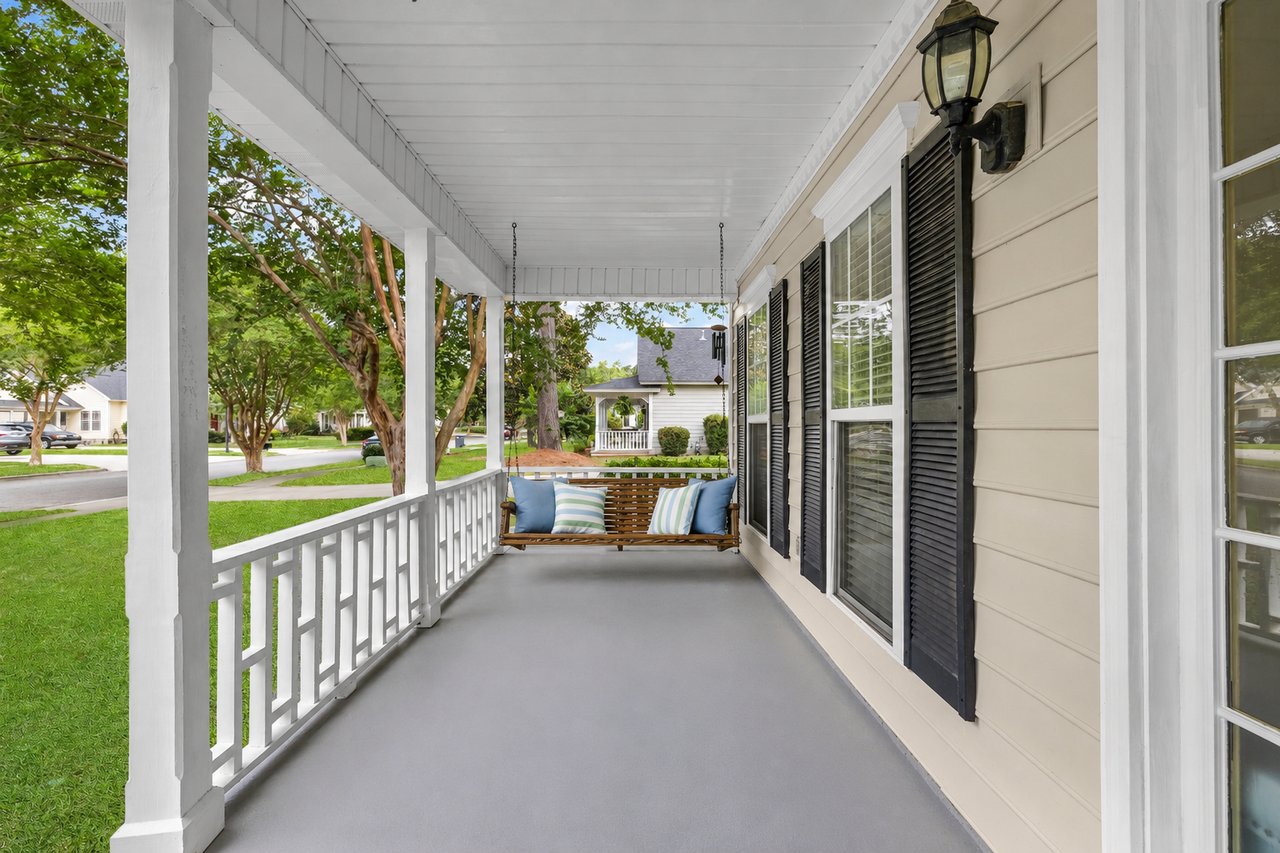
Discover the front porch views, greenspace setting, and golf-cart lifestyle that make this Waterways home stand out.
Coastal Georgia living
A rare opportunity to own a flexible five-bedroom home in one of Savannah's most charming and overlooked front-porch communities.

events
Your Guide to the Best Festivals, Juneteenth Celebrations, Farmers Markets, Live Music, Fireworks, and Family-Friendly Events in Savannah, Pooler, Richmond Hill, Tybee… Read more
Coastal Georgia living
Luxury Lowcountry living, Greg Norman golf course views, and resort-style amenities just minutes from Savannah, Hilton Head, and the coast.
Join hands with Savannah’s premier coastal specialists for a real estate experience that’s as unique as you are. Whether buying, selling, or exploring new opportunities, our team is dedicated to guiding you with warmth, and expert insight.