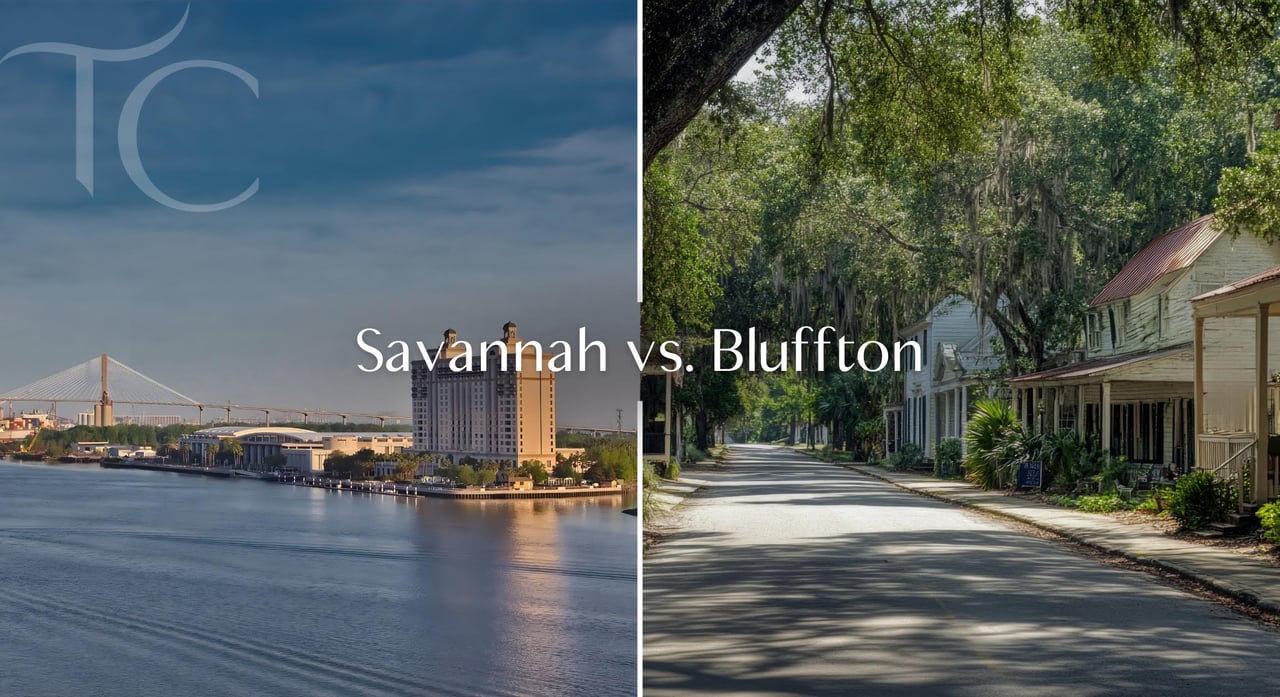
Savannah vs Bluffton Cost Comparison: Taxes to Home Prices
local market insights Trisha Cook February 12, 2026
local market insights Trisha Cook February 12, 2026
When choosing where to live, retire, or invest, the decision is rarely just about charm or scenery. Property taxes, homeowners' insurance, HOA structures, and purchase price all shape what ownership truly costs over time. Savannah, Georgia, and Bluffton, South Carolina, are often compared because both offer coastal appeal and Southern lifestyle, but financially, they operate very differently once you look past surface-level averages.
This comparison focuses on where money actually goes further and why headline numbers can be misleading without proper context.
Property taxes are meaningfully lower in Bluffton for primary residences, but higher for second homes.
Insurance costs trend higher in Savannah, though both markets face coastal risk.
HOA fees in Bluffton are skewed upward by luxury, golf, and 55+ communities that include high monthly dues and initiation fees.
Savannah offers more no-HOA and low-HOA options, especially in established neighborhoods.
Home prices are generally higher in Bluffton for comparable newer construction and amenity-heavy communities.
True walkability is limited to Old Town Bluffton and Downtown Savannah.
Savannah Property Taxes
Savannah is located in Chatham County, where effective property tax rates average around 1.1 percent of assessed value. A $500,000 primary residence typically results in annual property taxes of approximately $5,500.
These taxes support a more urban infrastructure footprint, including schools, city services, historic preservation, and tourism-driven demands. While not the highest in Georgia, Savannah’s property tax burden becomes more noticeable as home values increase.
Bluffton Property Taxes
Bluffton is located in Beaufort County, South Carolina, where primary residence property tax rates average closer to 0.6 percent. On the same $500,000 home, annual taxes are roughly $3,000.
This advantage applies specifically to owner-occupied primary residences. Second homes and investment properties in South Carolina are taxed at a significantly higher rate, which can eliminate much of the perceived savings for part-time residents.
Why This Matters
For full-time residents planning long-term ownership, Bluffton’s lower tax structure can result in substantial savings over time. For second-home buyers, the comparison requires a closer look.
Insurance Costs in Savannah
Savannah’s proximity to tidal rivers, marshland, and low-lying areas contributes to higher insurance premiums. Homeowners insurance for a $300,000 home commonly ranges from $2,000 to $3,000 annually, with flood insurance often required or strongly recommended depending on location.
Insurance Costs in Bluffton
Bluffton remains a coastal market, but many communities sit slightly higher in elevation and further inland. Average premiums for similar homes typically range from $1,500 to $2,500 per year.
The difference is not purely geographic. Newer construction standards, elevation planning, and updated building codes in many Bluffton communities also contribute to lower premiums, making age and build quality as important as location.
HOA Fees in Savannah
Savannah offers a wide range of ownership structures. Many historic and in-town neighborhoods have no HOA at all. Where HOAs exist, fees often range from $100 to $300 per month and typically cover limited common area maintenance.
Newer suburban developments may have higher fees, but Savannah still provides more opportunities for low-fee or no-fee ownership than Bluffton overall.
HOA Fees in Bluffton
Bluffton’s HOA averages are heavily influenced by master-planned, golf, luxury, and age-restricted 55+ communities. Monthly HOA fees commonly range from $300 to $800 and can exceed that depending on amenities.
Many of these communities also require one-time initiation fees or capital contributions that can range from several thousand dollars to well into five figures. Golf memberships and lifestyle amenities significantly increase both upfront and ongoing costs.
This does not mean all Bluffton neighborhoods carry high HOA fees, but it does mean averages must be interpreted carefully.
Old Town Bluffton is genuinely walkable, offering access to restaurants, shops, community events, and the May River waterfront.
Downtown Savannah is highly walkable, with one of the most pedestrian-friendly historic districts in the Southeast.
Outside of these specific areas, neither Bluffton nor Savannah offers broad, day-to-day walkability, and most residents rely on a vehicle for errands and commuting.
Bluffton home prices tend to be higher for comparable newer construction, particularly in amenity-rich or gated communities. Buyers are often paying a premium for newer homes, planned neighborhoods, and bundled lifestyle features.
Savannah generally offers lower entry points across a wider range of neighborhoods, though buyers must factor in the age of housing stock and potential renovation costs. While Savannah’s annual ownership costs may be higher, purchase prices can be meaningfully lower.
Bluffton may appeal to buyers who:
• Plan to occupy the home as a primary residence
• Value newer construction and community amenities
• Are comfortable with structured HOAs and initiation fees
• Prioritize predictable long-term tax savings
Savannah may appeal to buyers who:
• Want flexibility with no HOA or lower HOA options
• Prefer historic or established neighborhoods
• Value urban character and long-term rental demand
• Are willing to trade higher taxes for location and lifestyle
Choosing between Savannah and Bluffton is less about which market is cheaper and more about how costs are structured. Bluffton often wins on taxes and insurance for primary residents, but higher home prices, HOA fees, and initiation costs can offset those savings quickly. Savannah carries higher annual taxes and insurance, but offers greater flexibility, fewer mandatory fees, and lower entry points in many neighborhoods.
The smartest decision comes from evaluating the total cost of ownership, not just averages.
If you are weighing Savannah and Bluffton for relocation, retirement, or investment, a personalized breakdown matters far more than generalized comparisons. The Trisha Cook Team works across both markets and can help you evaluate the true financial picture based on your goals, timeline, and priorities so you can make a confident, informed decision.
Stay up to date on the latest real estate trends.

Buying a Home
Two private Hilton Head communities, with different boating setups and practical questions buyers should settle before choosing a home.

Buying a Home
Look beyond the dues to understand reserves, planned projects, special assessments and the questions that need written answers.

Commercial / Investment Properties
What rental owners should compare beyond the monthly fee, from leasing and maintenance to records, inspections and time.
Community Guides
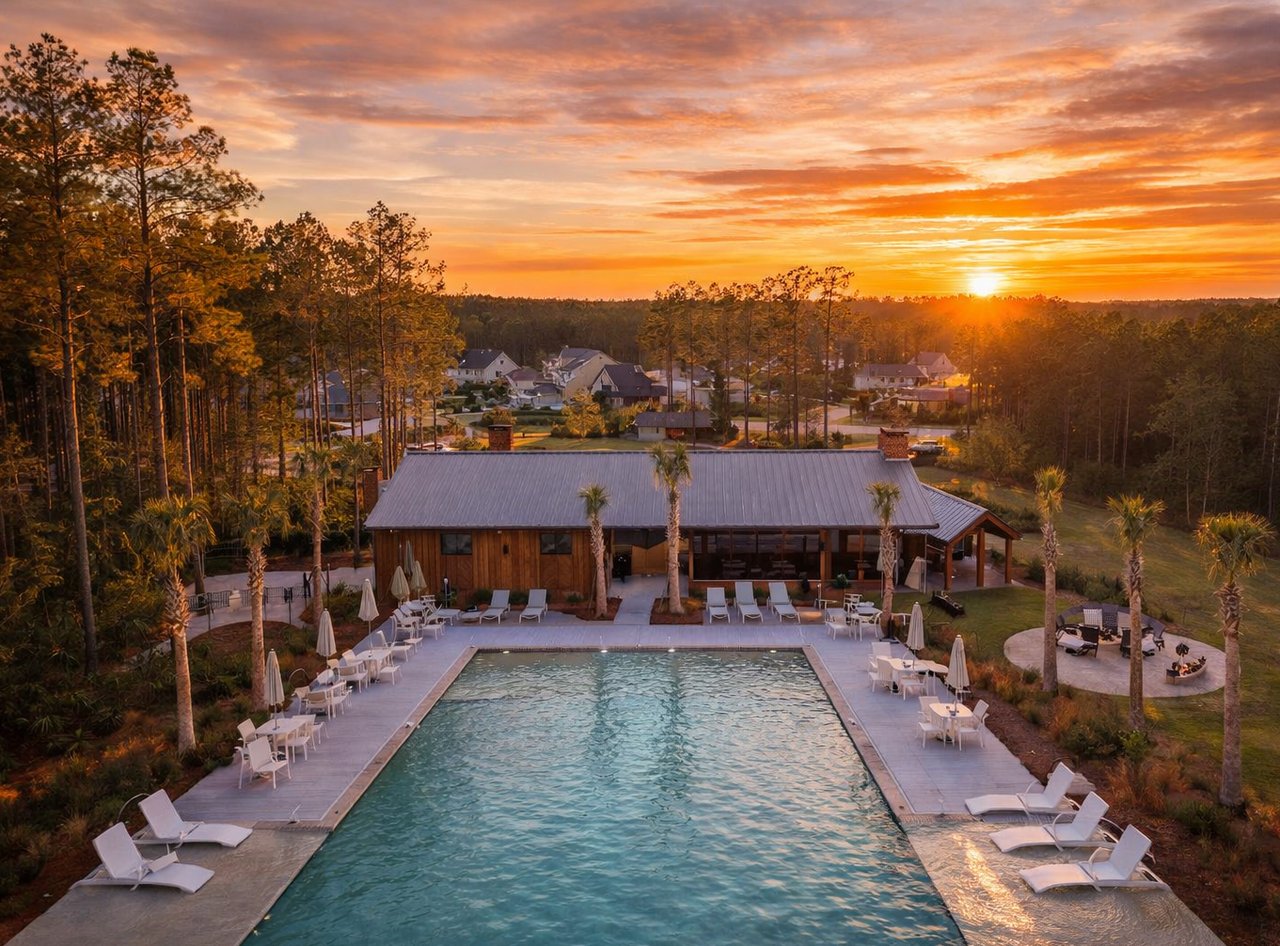
What to know about this Richmond Hill community, its homes, amenity plans and place in a Savannah-area retirement search.
Coastal Georgia living
What the winter project could mean for beach access, property showings and buying or selling on Tybee in 2026–2027.
Selling A Home
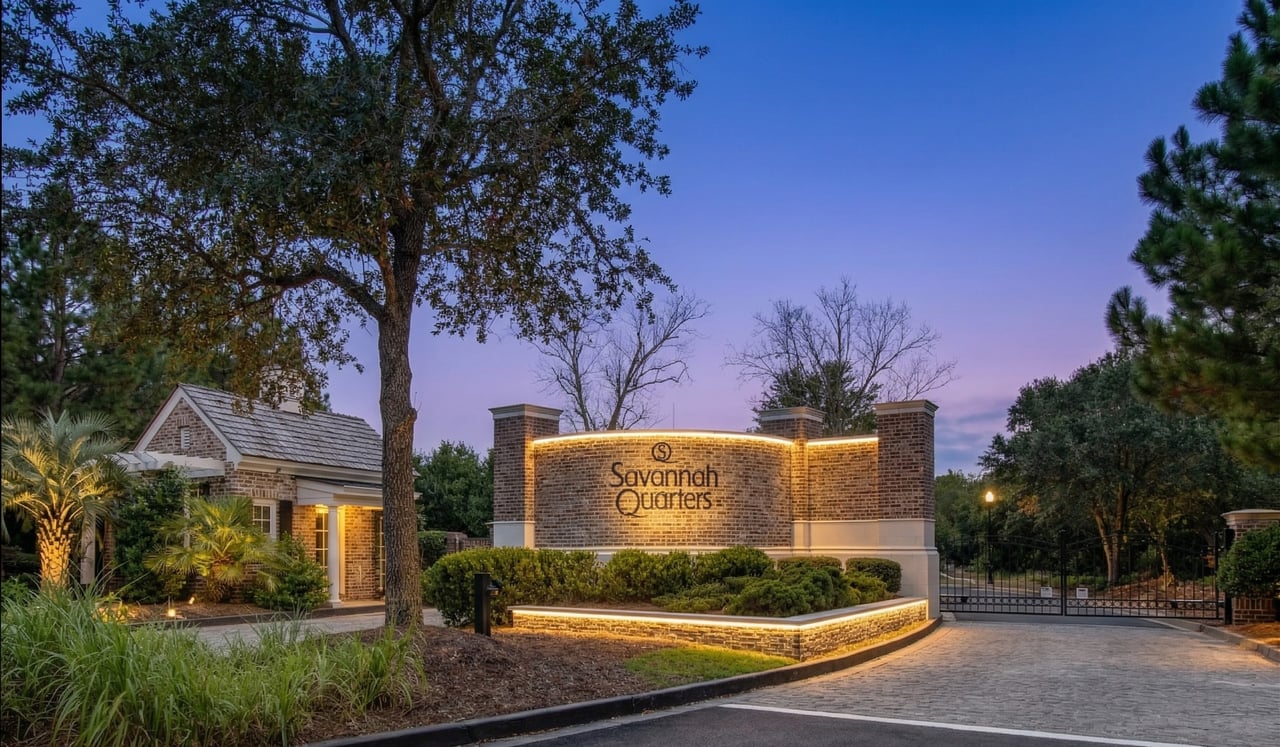
Luxury photography is only the beginning. Pricing must account for the specific neighborhood, Club access, lot position, upgrades and competing new construction.

buyer education
What Michael Toma’s latest Georgia Southern report tells us about jobs, new construction and real estate decisions in Chatham, Bryan and Effingham counties.
Community Guides
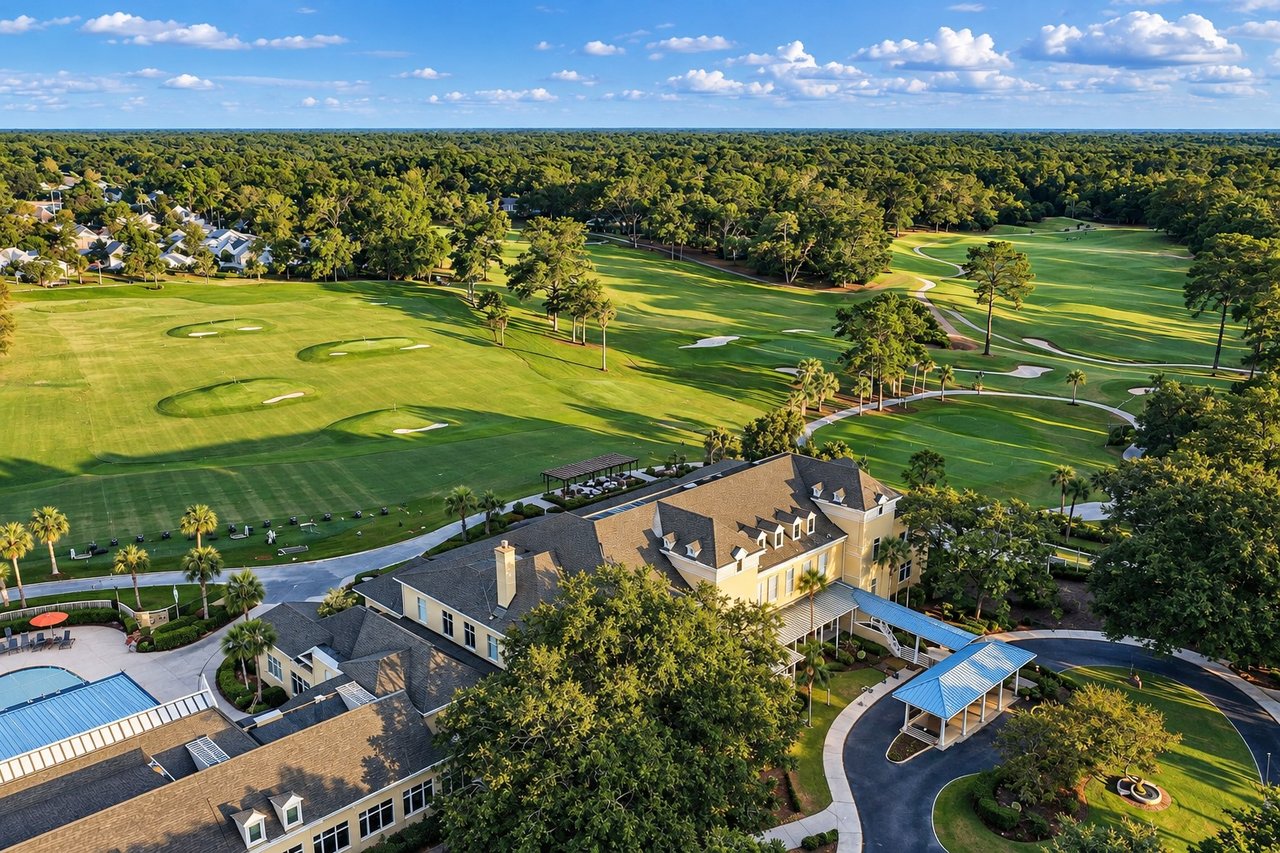
Compare ownership costs, Club structure, golf, marina access, rental rules and the practical differences buyers should understand before choosing between Hilton Head P… Read more
Join hands with Savannah’s premier coastal specialists for a real estate experience that’s as unique as you are. Whether buying, selling, or exploring new opportunities, our team is dedicated to guiding you with warmth, and expert insight.