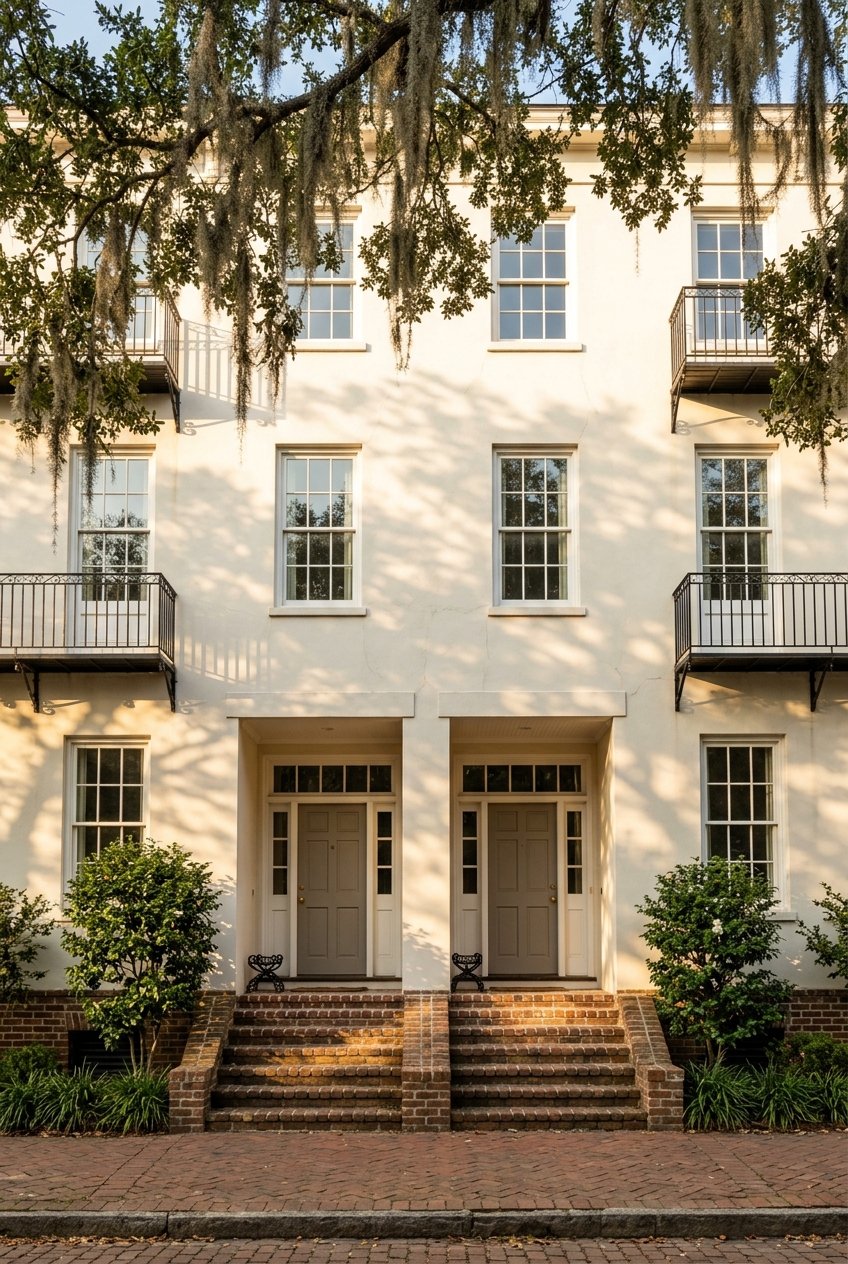
Condo Or Townhome In Savannah’s Historic District?
May 28, 2026
May 28, 2026
Trying to choose between a condo and a townhome in Savannah’s Historic District? It sounds simple at first, but the answer is usually less about the building style and more about what you actually own, what you are responsible for, and what approvals you may need for exterior changes. If you want a home that fits your budget, your maintenance comfort level, and your long-term plans, the details matter. Let’s break it down.
In Savannah’s Historic District, your decision comes with an extra layer of complexity. You are not only comparing layout and lifestyle. You are also comparing legal ownership structure, association responsibilities, monthly costs, insurance needs, and city preservation rules.
That is why two homes that look very similar from the street can work very differently in real life. A property marketed as a townhome may be fee simple ownership, or it may actually be a condominium. The only reliable way to know is to review the deed and recorded property documents.
Under Georgia guidance, a townhouse is an architectural style, not a guaranteed ownership type. In plain terms, that means the word townhome may describe how a property looks, but not necessarily how it is legally owned.
This is a big deal for buyers in Savannah’s Historic District. If you assume a townhome automatically means you own the land and exterior outright, you could misunderstand your maintenance duties, your insurance needs, or your approval process for future changes.
A condominium is defined by ownership structure. Under Georgia condominium law, each unit includes an undivided interest in the common elements, and those interests stay attached to the unit.
That usually means some parts of the property are individually owned, while other parts are shared through the association. In many condo setups, the association handles common-element maintenance, while the unit owner is responsible for the unit itself and any limited common elements tied to that unit.
Georgia’s Department of Revenue describes fee simple as the most complete form of private ownership. If a townhome is fee simple, that often gives you a more house-like ownership structure, though your exact responsibilities still depend on the deed and any community documents.
The key takeaway is simple: do not rely on the listing description alone. Before you fall in love with a property, confirm whether it is a condo, a fee simple townhome, or a townhome-style condo.
In Savannah’s Downtown Historic District, certain exterior changes may require a Certificate of Appropriateness, often called a CoA. The city states that property owners must obtain a CoA before exterior construction, alteration, or demolition in the district.
This applies whether you own a condo or a townhome. If your plans include changing doors, windows, railings, exterior materials, or other visible features, you need to understand the city’s process before closing.
One of the biggest points of confusion for buyers is assuming association approval is enough. It is not. Savannah has its own separate review process for qualifying exterior changes in the historic district.
So even if an HOA says yes, city approval may still be needed. If exterior customization is important to you, confirm both layers of approval early.
The city does make room for normal maintenance that does not create an irreversible or significant change. Its guidelines specifically note that some repairs to walks, patios, fences, and driveways may not require a CoA when replacement materials match the original or existing materials in detail, dimension, and color.
That said, buyers should still verify what counts as maintenance versus alteration for the specific property. In the Historic District, small details can have big practical effects.
If you want fewer exterior chores, a condo may be appealing. Georgia law gives condominium associations responsibility for maintenance, repair, renovation, restoration, and replacement of common elements, while certain limited common-element costs may be specially assessed to the unit that uses them.
In practical terms, that can mean less direct responsibility for shared exterior upkeep. It can also mean more reliance on the association’s budget, maintenance schedule, and reserve planning.
Condo assessments are governed by the declaration and may be charged annually or more often if the condominium documents allow. For buyers, that means the true monthly cost is not just your mortgage payment.
You should compare the full carrying cost, including association dues and any other recurring ownership expenses. A lower list price does not always mean a lower monthly budget.
In Georgia, a condo buyer can be jointly and severally liable with the seller for unpaid assessments at closing unless a statement is requested from the association. That is an easy detail to overlook, but it can affect your closing costs and your risk.
Before you make an offer, ask how the team handling your transaction will verify the association’s current balance information. This is one of those behind-the-scenes checks that protects you from surprises.
With many condos, insurance is split between a master policy and an owner’s individual policy. The master policy often covers the building and shared areas, while the unit owner’s policy covers personal property and certain interior gaps.
Because the division of coverage can vary from one association to another, you should review the bylaws, insurance details, and master policy information before closing. Do not assume every condo policy setup works the same way.
No matter which property type you choose, confirm whether separate flood insurance is needed. Standard homeowners insurance typically does not cover flood damage.
For buyers in coastal Georgia, that is an important budgeting step. It is better to understand the insurance picture before you commit than to discover a gap later.
If your goal is lower day-to-day maintenance, a condo may be the better fit. Many buyers like the idea of shared upkeep being handled through dues, especially if they want a lock-and-leave property or a more predictable exterior maintenance routine.
That can be especially appealing in Savannah’s Historic District, where preservation rules may make exterior work more detailed and time-sensitive. If you want less direct involvement with those tasks, condo living may feel easier.
A townhome often appeals to buyers who want a more traditional ownership feel. If the property is fee simple, you may have more direct responsibility for exterior items, but also a more house-like setup.
That does not automatically mean fewer rules. In the Historic District, city review may still apply to qualifying exterior changes, and some communities may still have association standards.
For most buyers, the smartest comparison is not condo versus townhome in the abstract. It is whether the deed, association documents, insurance structure, and historic-district requirements match your comfort level with maintenance, approvals, and monthly carrying costs.
That is the real decision. Once you see it that way, the right path usually becomes much clearer.
If you are serious about buying in Savannah’s Historic District, ask these questions before you move forward:
These answers can shape your monthly cost, your future flexibility, and your long-term satisfaction with the property.
If you are weighing condos and townhomes in Savannah’s Historic District, the right guidance can save you time and help you avoid expensive misunderstandings. The best next step is to review the ownership documents, association details, and historic-district requirements before you write the offer. When you want local insight and clear guidance through every step, connect with The Trisha Cook Team.
Stay up to date on the latest real estate trends.

Buying a Home
Two private Hilton Head communities, with different boating setups and practical questions buyers should settle before choosing a home.

Buying a Home
Look beyond the dues to understand reserves, planned projects, special assessments and the questions that need written answers.

Commercial / Investment Properties
What rental owners should compare beyond the monthly fee, from leasing and maintenance to records, inspections and time.

Community Guides
What to know about this Richmond Hill community, its homes, amenity plans and place in a Savannah-area retirement search.
Coastal Georgia living
What the winter project could mean for beach access, property showings and buying or selling on Tybee in 2026–2027.

Selling A Home
Luxury photography is only the beginning. Pricing must account for the specific neighborhood, Club access, lot position, upgrades and competing new construction.

buyer education
What Michael Toma’s latest Georgia Southern report tells us about jobs, new construction and real estate decisions in Chatham, Bryan and Effingham counties.

Community Guides
Compare ownership costs, Club structure, golf, marina access, rental rules and the practical differences buyers should understand before choosing between Hilton Head P… Read more
Join hands with Savannah’s premier coastal specialists for a real estate experience that’s as unique as you are. Whether buying, selling, or exploring new opportunities, our team is dedicated to guiding you with warmth, and expert insight.