Living In Savannah’s Historic District: Homes And Lifestyle
February 5, 2026
February 5, 2026
Drawn to oak-shaded squares and cobblestone streets? If you love walkable city life, storied architecture, and a vibrant arts scene, Savannah’s Historic District may be exactly what you picture when you think of the Hostess City. You also want clear answers about homes, daily life, and the practical rules that come with living in a landmark district. In this guide, you’ll learn how the neighborhood feels day to day, what kinds of properties you can buy, and the key ownership considerations to plan for with confidence. Let’s dive in.
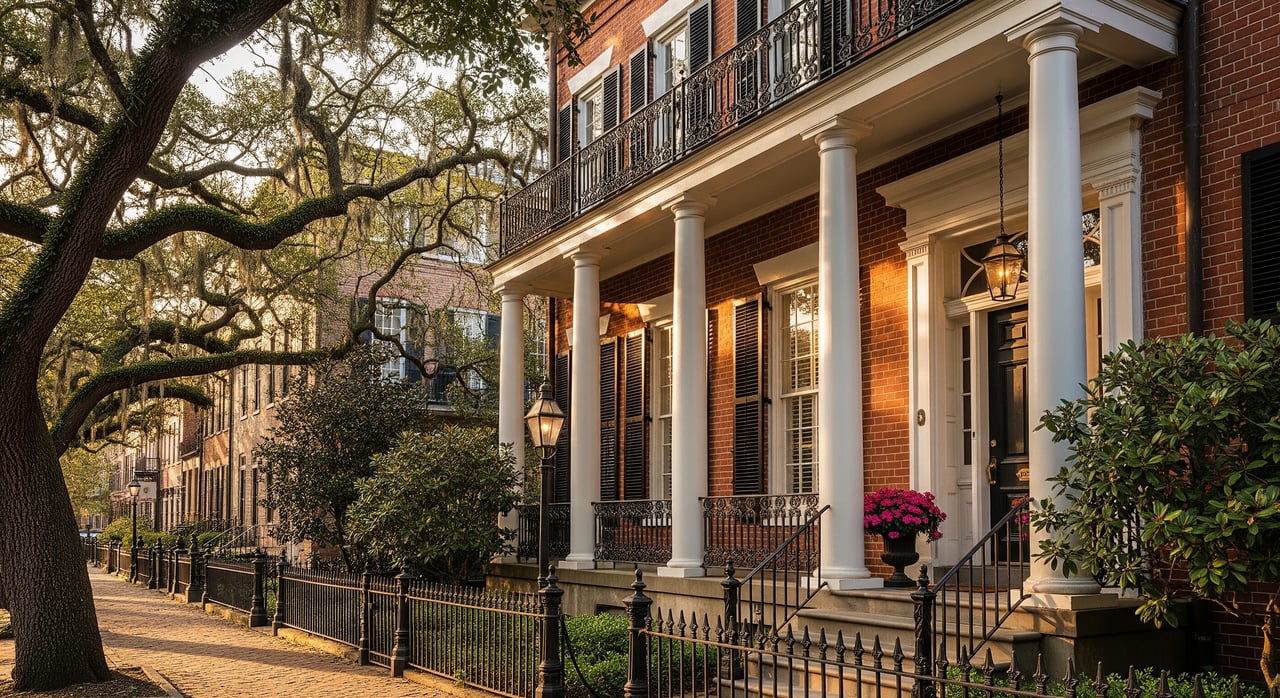
Savannah’s Historic District is a nationally recognized landmark area that includes the riverfront, a grid of streets arranged around public squares, and surrounding blocks. The core overlaps the North Historic District in 31401. You’ll see a dense mix of 18th and 19th century buildings, picturesque ironwork, and mature oaks that define the streetscape.
Cultural anchors are woven throughout. You can visit the Telfair Museums, tour historic homes like the Mercer-Williams and Owens-Thomas houses, enjoy City Market, and explore River Street. SCAD buildings are interspersed across the district, adding an artistic pulse and a steady calendar of events.
The district’s public realm is famous for its squares, often cited as 22 historic squares in the central area. These small parks, plus the riverfront and nearby Forsyth Park to the south, shape everyday life and give the neighborhood a relaxing, neighborhood-scale feel.
Historic architecture is the headline here. You’ll see Regency, Greek Revival, Gothic Revival, Federal, Victorian, and Italianate influences, along with adaptive-use buildings.
Attached homes are common and often rise two to four levels with narrow, efficient footprints. Many have original staircases, tall windows, and fireplaces. Fully restored townhomes sit in the mid-to-upper price tiers.
Former warehouses and commercial buildings near the riverfront and in the core have been converted to condominiums. Riverfront condos can command premium pricing given views and proximity to shops and dining.
Freestanding historic houses and grand mansions are the neighborhood’s showpieces. Large, fully restored properties typically anchor the high end of the market.
Secondary dwellings and carriage houses provide flexible living space that many second-home buyers and downsizers value. These can be appealing for guest use or as a lower-maintenance option.
Expect period details like wood floors, plaster walls, tall ceilings, and transom windows. Many properties have updated HVAC, electrical, and plumbing, but not all. Note that multiple staircases and narrow layouts can limit accessibility, which is important to evaluate if you prefer one-level living.
Historic District homes generally command a premium versus outlying neighborhoods because of location, landmark status, and walkability. Pricing varies widely by property type and level of restoration.
Demand is steady. You’ll see interest from second-home buyers, retirees, professionals, SCAD-affiliated renters and buyers, and investors. Seasonal tourism can drive interest in short-term rentals, but that use is regulated by the city, so always verify rules before counting on rental income.
The Historic District is highly walkable. Many errands can be done on foot, and you can easily reach restaurants, museums, and boutiques. Chatham Area Transit operates bus routes and downtown shuttles, which can make car-free living feasible for some.
Biking is popular on calmer streets. At peak times, tourist traffic can slow cycling near major attractions. On-street parking is limited on many blocks. Some homes include small off-street spots or garages, but these are less common. Residential permit and paid parking zones apply in parts of downtown, so plan for that if you own a car.
You’ll have a dense mix of casual and upscale dining, cafes, bars, and tasting rooms. River Street, City Market, and the Broughton Street corridor are key hubs with plenty of options.
Cultural life is a major perk. You can visit the Telfair Museums and tour historic houses year-round, then catch festivals like the Savannah Music Festival and SCAD events that bring film, art, and live performances to the district.
Small parks dot the grid, giving you a pocket of green within a few blocks in most directions. Forsyth Park, just south of the core, hosts larger events and offers more room to walk, relax, or attend community gatherings.
Tourism powers downtown’s energy and services. In spring, especially during St. Patrick’s Day celebrations, and around festivals and holidays, you’ll notice more visitors. Restaurants stay open later, event calendars fill up, and the streets feel lively.
The tradeoffs are predictable: more noise, congestion, and longer waits during peak periods. If you value privacy or quiet, consider streets farther from major attractions or prepare your own strategies for managing busy seasons.
Owning in a National Historic Landmark district comes with guidelines that protect the area’s character. These rules help safeguard long-term value but also add steps to projects and planning.
Exterior changes, additions, demolition, and new construction are typically reviewed by the city’s historic preservation board. Commonly regulated elements include rooflines, porches, windows and doors, siding, and fences. Interior work is generally not reviewed unless it affects the exterior or relates to a specific designation. Timelines can be longer, and historic-appropriate materials may be required.
There can be incentives for income-producing properties that meet the Secretary of the Interior’s Standards, including federal historic rehabilitation tax credits. Local or state programs vary, so check current options before you start.
Short-term rental use is regulated. You must follow city licensing and zoning rules, and some areas have permit caps or occupancy requirements. If rental income is important to your plan, verify ordinances and permit availability before you buy.
Portions of the Historic District fall within FEMA flood zones, especially near the river and lower-lying blocks. Lenders generally require flood insurance in high-risk zones, and premiums, deductibles, and coverage terms can influence your budget.
Request elevation certificates where available, review any flood mitigation work already completed, and have your inspector evaluate historic foundations. Raised houses on piers are common, and your contractor can speak to practical upgrades.
Historic homes often need specialized maintenance. Budget for potential upgrades to HVAC, electrical, plumbing, insulation, and energy efficiency. Coastal moisture and termites are routine concerns, so ongoing pest and moisture control is wise. Contractors with historic experience may cost more and have longer lead times but can save you time and mistakes.
Conventional, FHA, and VA loans are commonly used for historic homes, but appraisals can be nuanced due to unique features and smaller lots. Work with local lenders and appraisers who understand the district. Confirm homeowner’s insurance availability and cost for historic structures, plus any needed flood coverage.
You may be a strong match if you prioritize walkability, architectural character, and an urban setting over large private yards. Empty-nesters, retirees, SCAD-connected buyers, and second-home shoppers often love the district’s cultural access and sense of place.
If you need large yards, multiple-car garages, or quiet streets with minimal tourist activity, a suburban setting may better fit your needs. The Historic District rewards those who embrace its vibrant, pedestrian-forward rhythm.
Focus first on lifestyle fit. Decide if a rowhouse, condo conversion, or freestanding historic home matches how you want to live day to day. For current pricing and inventory, rely on local MLS data and experienced agents who track active, pending, and recent sales in the North Historic District.
You can move ahead with confidence when you understand preservation rules, insurance factors, and the flow of tourism through the year. If you want an expert guide from first tour to closing, reach out to the team that knows Savannah’s historic fabric inside and out. Schedule your visit and let us help you plan the next steps with clarity and care.
Ready to explore homes and neighborhoods that match your goals? Connect with The Trisha Cook Team to Schedule Your VIP Consultation.
Stay up to date on the latest real estate trends.

Buying a Home
Two private Hilton Head communities, with different boating setups and practical questions buyers should settle before choosing a home.

Buying a Home
Look beyond the dues to understand reserves, planned projects, special assessments and the questions that need written answers.

Commercial / Investment Properties
What rental owners should compare beyond the monthly fee, from leasing and maintenance to records, inspections and time.
Community Guides
What to know about this Richmond Hill community, its homes, amenity plans and place in a Savannah-area retirement search.
Coastal Georgia living
What the winter project could mean for beach access, property showings and buying or selling on Tybee in 2026–2027.
Selling A Home
Luxury photography is only the beginning. Pricing must account for the specific neighborhood, Club access, lot position, upgrades and competing new construction.

buyer education
What Michael Toma’s latest Georgia Southern report tells us about jobs, new construction and real estate decisions in Chatham, Bryan and Effingham counties.
Community Guides
Compare ownership costs, Club structure, golf, marina access, rental rules and the practical differences buyers should understand before choosing between Hilton Head P… Read more
Join hands with Savannah’s premier coastal specialists for a real estate experience that’s as unique as you are. Whether buying, selling, or exploring new opportunities, our team is dedicated to guiding you with warmth, and expert insight.