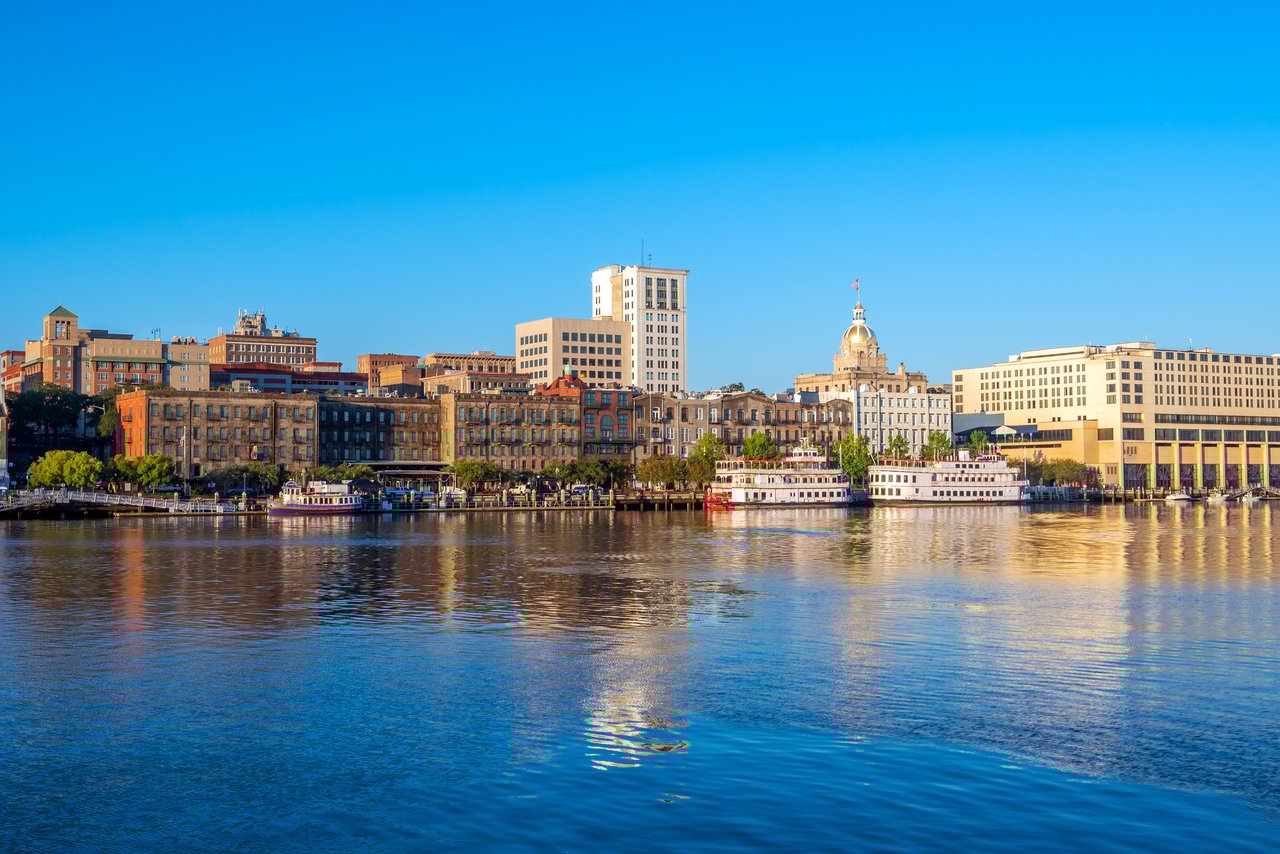
How to Choose the Right Savannah Neighborhood for Your Daily Commute and Lifestyle
Savannah, GA Trisha Cook January 23, 2026
Savannah, GA Trisha Cook January 23, 2026
When considering a move to Savannah, choosing the right neighborhood is just as important as choosing the right home. While price, square footage, and features matter, daily commute patterns often have the biggest long-term impact on how a home feels once the novelty wears off.
Savannah’s neighborhoods may appear close together, but commute times can vary widely depending on traffic flow, bridge access, tourism patterns, and where you work. Whether you commute downtown, near the airport, to local hospitals, or west toward Bryan or Bulloch County, understanding how location affects both lifestyle and resale value leads to better decisions.
This guide breaks down Savannah-area neighborhoods through the lens of commute efficiency and lifestyle fit so buyers and sellers can make informed, confident choices.
Commute patterns strongly influence neighborhood demand, pricing, and resale value in Savannah.
In-city neighborhoods favor walkability and shorter drive times.
Suburban areas offer more space with increased reliance on highways.
The right neighborhood depends on where you work and how you want to live day to day.
Buyers who factor commute into their decision tend to make stronger long-term investments.
Savannah’s compact layout can be misleading. While distances are short, congestion tends to concentrate around bridges, major corridors, and peak employment hours. Port traffic, military base schedules, tourism, and suburban growth all influence daily drive times.
Commute time affects quality of life more than most buyers expect. It influences how often you go out, how much time you spend at home, and how sustainable a location feels long-term. Buyers who ignore commute realities often reconsider their choice within the first year.
For buyers working in or near Downtown Savannah, proximity to the city core remains a major priority. Shorter commutes reduce daily stress and provide easy access to Savannah’s professional, cultural, and social life.
Downtown appeals to buyers who prioritize walkability and access
Close to restaurants, parks, offices, and River Street
Popular with professionals working in government, tourism, hospitality, and creative fields
Considerations include higher price points, limited parking in some areas, and older homes that may require maintenance. Homes here tend to sell quickly due to strong demand.
Ardsley Park offers historic character with a more residential feel than downtown. Located just south of the Historic District, it provides a manageable commute without tourism congestion.
Ten to fifteen-minute commutes to downtown and Midtown medical centers
Tree-lined streets and early 20th-century architecture
Strong neighborhood identity and long-term owner occupancy
Midtown Savannah attracts buyers seeking convenience, parking, and proximity to hospitals, schools, and shopping while remaining close to downtown.
Southside neighborhoods offer more space and suburban comfort while staying connected to the city.
Coffee Bluff is distinct within Southside Savannah. Located along the Forest River, it appeals to buyers seeking privacy, water access, and a coastal lifestyle.
Waterfront and water-adjacent homes with docks in select areas
Larger lots and quiet streets
Lifestyle-driven demand tied to boating and outdoor living
Commutes typically range from 20 to 30 minutes, depending on traffic and location.
Pooler has become one of the most popular commuter markets for buyers working near the airport, Gulfstream, the port, or along I-95 and I-16.
Direct access to major highways
Newer construction and planned communities
Wide range of price points
Pooler is more car-dependent and lacks historic character, but many buyers prioritize efficiency and modern amenities. Its central location between multiple counties adds flexibility for commuters.
Richmond Hill appeals to buyers seeking space, schools, and a quieter pace of life.
Larger lots and more privacy
Highly regarded Bryan County schools
Strong community identity
Popular with military families due to proximity to Fort Stewart and Hunter Army Airfield
Commutes typically range from 25 to 30 minutes to downtown Savannah. Many buyers view the longer drive as a fair trade for space, value, and lifestyle.
Commute is only part of the equation. Savannah buyers consistently prioritize:
Walkability versus space
Historic character versus newer construction
Urban energy versus suburban calm
These preferences drive demand and resale performance year after year.
Neighborhoods with shorter commutes to employment hubs typically attract more buyers, sell faster, and hold value more consistently during slower markets. Areas with longer commutes may offer more price flexibility but can experience slower appreciation.
Choosing the right Savannah neighborhood is not just about the house itself. It is about selecting a location that supports your routine, lifestyle, and long-term goals.
Buyers who balance commute efficiency with lifestyle preferences tend to make the most confident and durable decisions.
Savannah is not a one-size-fits-all market. Neighborhood demand, traffic flow, and pricing trends require hyper-local insight.
Our team works across Savannah and surrounding communities every day, helping buyers and sellers understand how location, commute patterns, and lifestyle trends affect value and timing. That experience allows our clients to make informed decisions grounded in reality, not assumptions.
Stay up to date on the latest real estate trends.

Buying a Home
Two private Hilton Head communities, with different boating setups and practical questions buyers should settle before choosing a home.

Buying a Home
Look beyond the dues to understand reserves, planned projects, special assessments and the questions that need written answers.

Commercial / Investment Properties
What rental owners should compare beyond the monthly fee, from leasing and maintenance to records, inspections and time.
Community Guides
What to know about this Richmond Hill community, its homes, amenity plans and place in a Savannah-area retirement search.
Coastal Georgia living
What the winter project could mean for beach access, property showings and buying or selling on Tybee in 2026–2027.
Selling A Home
Luxury photography is only the beginning. Pricing must account for the specific neighborhood, Club access, lot position, upgrades and competing new construction.
buyer education
What Michael Toma’s latest Georgia Southern report tells us about jobs, new construction and real estate decisions in Chatham, Bryan and Effingham counties.
Community Guides
Compare ownership costs, Club structure, golf, marina access, rental rules and the practical differences buyers should understand before choosing between Hilton Head P… Read more
Join hands with Savannah’s premier coastal specialists for a real estate experience that’s as unique as you are. Whether buying, selling, or exploring new opportunities, our team is dedicated to guiding you with warmth, and expert insight.