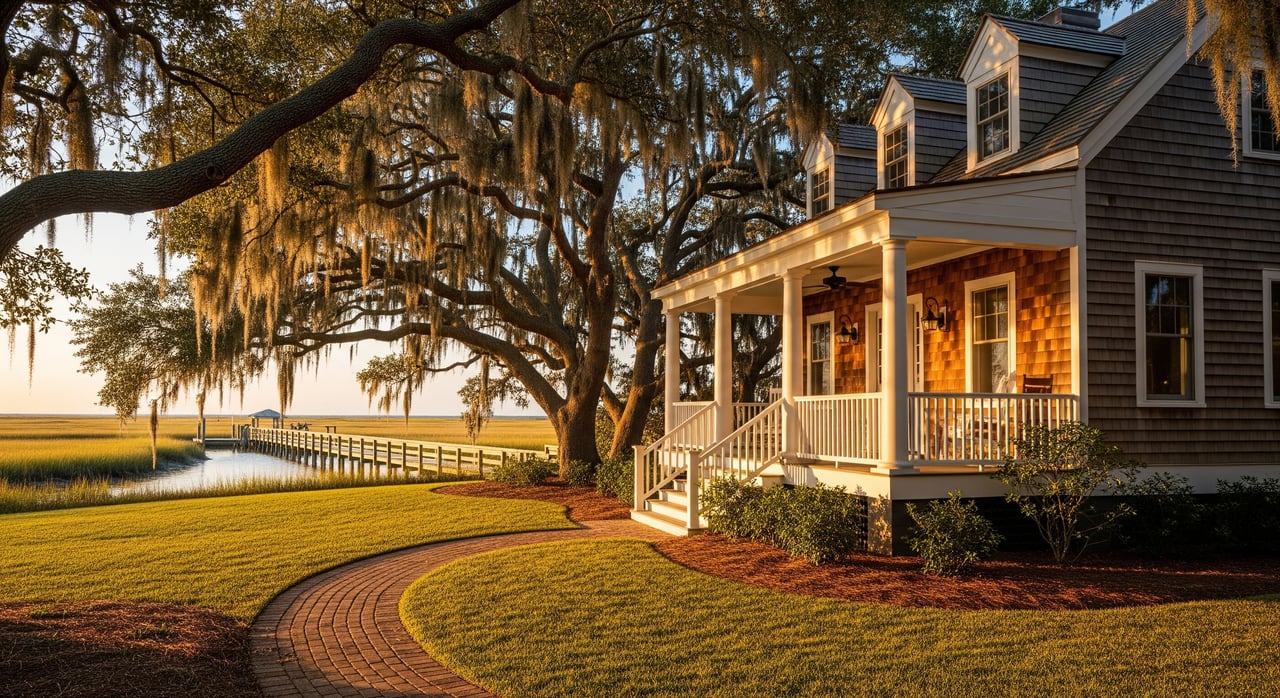
Buying A Home On Isle Of Hope: Key Considerations
Coastal Georgia living February 12, 2026
Coastal Georgia living February 12, 2026
What if you could enjoy salt-marsh sunsets, shaded lanes of live oaks, and easy access to Savannah, all from one peninsula-style neighborhood? If you are eyeing Isle of Hope, you are not alone. Buyers love the coastal lifestyle, historic charm, and boating potential here, but every waterfront market has unique rules and risks. In this guide, you will learn what to look for, what to verify, and how to buy with confidence. Let’s dive in.
Isle of Hope sits on Savannah’s southside in zip code 31406. It has a quiet, residential feel with winding roads, mature trees, and broad marsh views. You are within a short drive of downtown Savannah, yet the setting feels like a true coastal retreat.
Homes range from historic cottages to modernized residences and newer builds. Limited waterfront inventory and strong demand often keep prices above the broader Savannah median. To understand current pricing and inventory, review recent comparable sales and days on market for the specific segment you want, especially waterfront versus non-waterfront.
You will find early- to mid-20th-century houses mixed with renovated properties and a handful of newer, higher-end homes. Many homes have upgrades for flood resilience, HVAC efficiency, and coastal-rated materials. Foundation types vary, especially near the water.
Watch for narrower frontages in older sections that can affect driveway or garage placement. Mature tree root systems may influence future additions or septic fields. If a home falls within a historic overlay, expect design-review steps for exterior changes.
Private docks and bulkheads are common, but condition varies with age and exposure. Elevated pier-and-beam or piling foundations are typical on waterfront parcels, while some historic homes have slab or crawlspace foundations that may have been retrofitted. Municipal water is generally available. Sewer connection varies by address, and some homes may still rely on septic. Confirm utility hookups with county records for any property you consider.
From Isle of Hope, you can reach tidal creeks and the Vernon and Wilmington River systems, then access the greater estuary and the Atlantic. Tides matter here. Water depth and navigability change with the tide, so boat draft can limit use on shallow creeks.
Many homes include private docks. Verify permitted use, structural condition, and that the dock conveys with the sale. Local marinas and public launch points are within a short drive if you prefer slip storage or trailer launching. Always check neighborhood covenants for any boating or mooring rules.
Dock, bulkhead, and shoreline projects typically require multiple approvals. Expect reviews from Georgia DNR’s Coastal Resources Division for tidal waters and marsh work, possible U.S. Army Corps of Engineers authorization for certain waterways, and Chatham County permits. Ask the seller for copies of permits, renewals, and any compliance documentation. Before closing, consult a qualified marine contractor if you plan any repairs or additions.
Much of Isle of Hope lies within FEMA-designated flood zones, but the exact zone depends on parcel elevation and location. Lenders commonly require flood insurance for homes in Special Flood Hazard Areas. Private flood policies are also available. Premiums depend on elevation relative to Base Flood Elevations and any prior claims.
Request or order an Elevation Certificate early in due diligence. If a property’s elevation or map status has changed, check for a Letter of Map Amendment or Revision. Shop estimates with both the NFIP and private carriers so you can compare coverage, deductibles, and cost.
Coastal homes face extra wear. Build a maintenance budget around the following:
Isle of Hope properties fall under Chatham County zoning and any relevant overlays. If a home is in a historic district or conservation overlay, exterior changes may require design review. Confirm setbacks, lot coverage, and allowable uses with the county planning office before you plan additions or outbuildings.
Water service is usually municipal. Sewer availability varies, and some homes rely on septic systems. Ask for utility maps, septic records if applicable, and recent utility bills. In older areas, stormwater infrastructure can be limited, so ask about drainage easements and any history of street or yard flooding. Internet service can differ by address, so verify fiber or cable availability for your exact location.
Use these items as offer contingencies and early to-dos but first & foremost: Choose the right agent!
Buying on Isle of Hope is rewarding when you match the lifestyle to the right property and verify the details that matter. Work with professionals who understand coastal homes, including a local real estate agent, flood-insurance specialist, structural engineer, licensed home inspector, surveyor, real estate attorney, and a marine contractor for docks and seawalls. With the right plan, you can secure the setting you love and protect your investment.
If you want local guidance, thoughtful negotiation, and a smooth process from offer to close, reach out to The Trisha Cook Team. Our neighborhood know-how and client-first approach help you buy with confidence. Schedule Your VIP Consultation.
Stay up to date on the latest real estate trends.
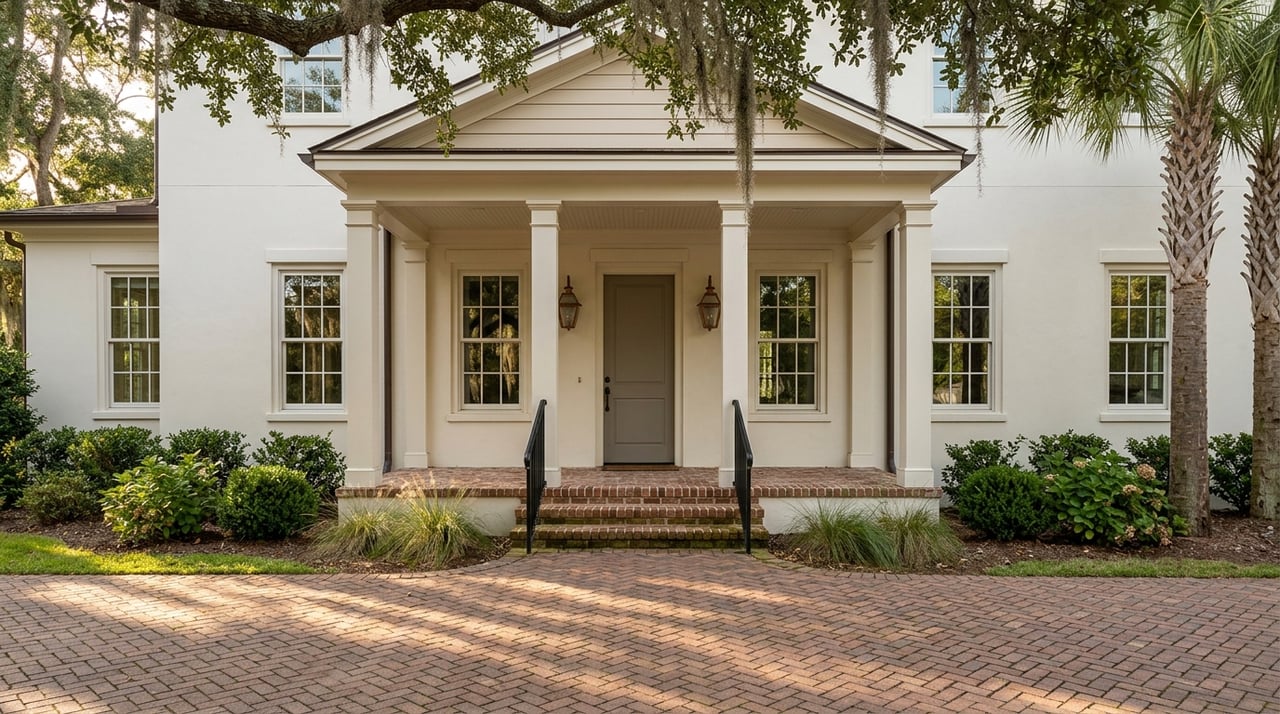

Coastal Georgia living
Your guide to Memorial Day weekend events, ceremonies, festivals, concerts, and things to do across Savannah, Tybee Island, Hilton Head, Bluffton, Beaufort, and St. Si… Read more
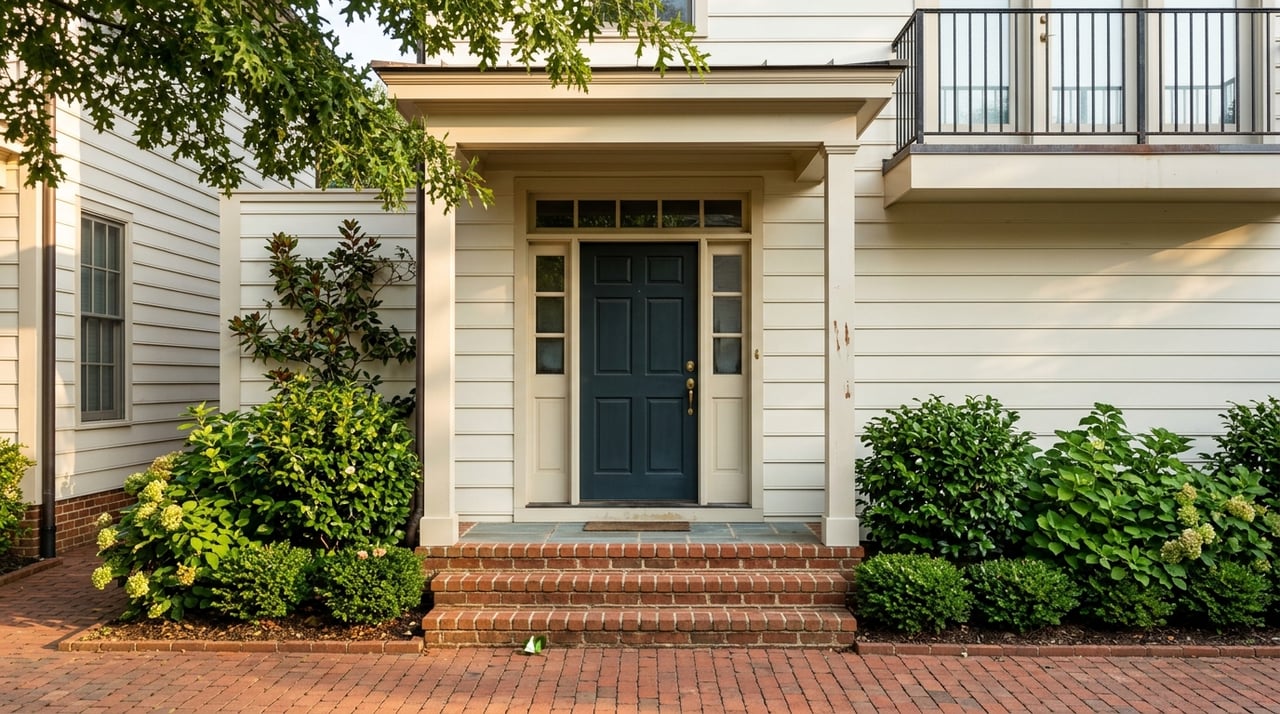
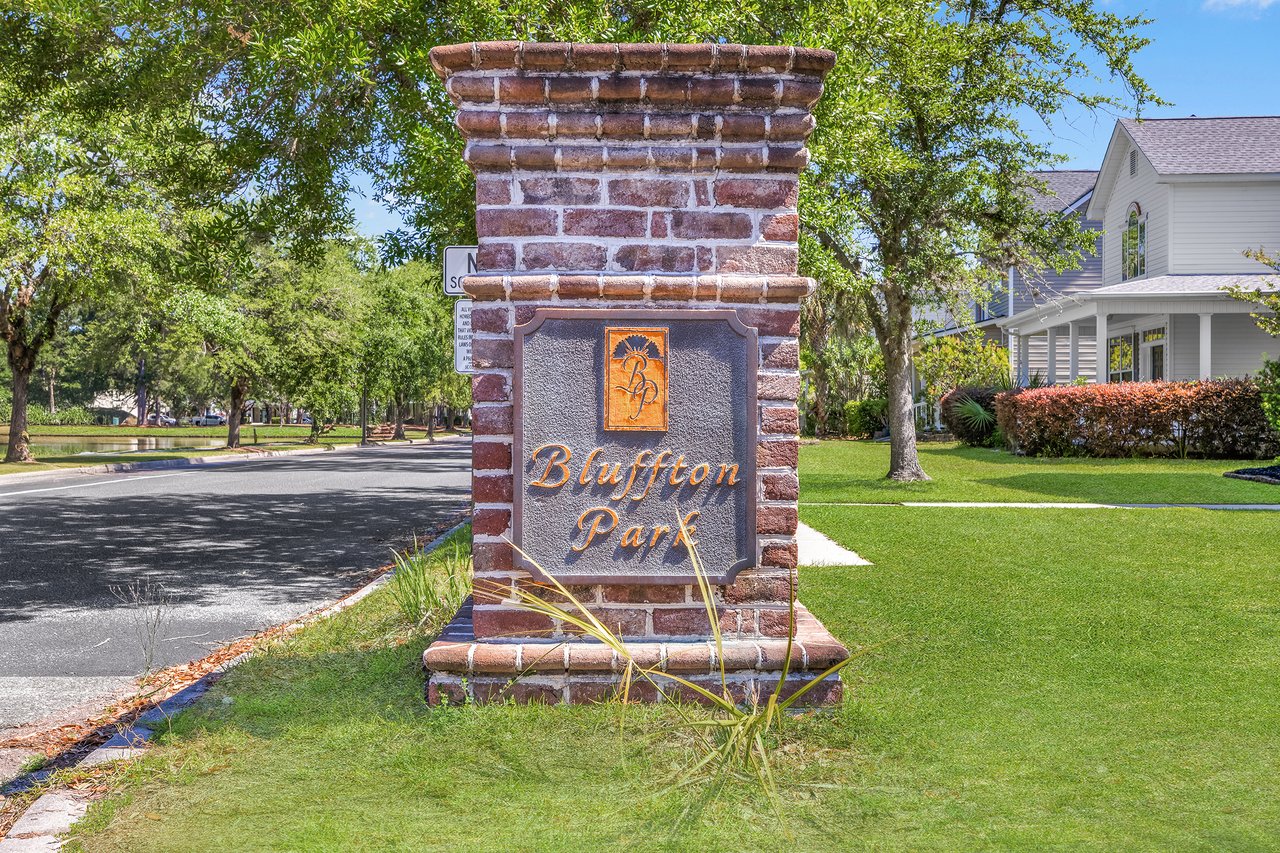
Community Spotlight, Bluffton Real Estate, Neighborhood Guides, South Carolina Real Estate
A closer look at Bluffton Park, one of Bluffton’s most charming neighborhoods near Old Town, known for its walkable streets, Lowcountry character, and easy access to l… Read more
events
Longer days, local routines, and the unofficial start of outdoor-living season.
Real Estate & Home Buying
Why Having Your Own Agent Protects Your Investment Before You Sign With a Builder
Real Estate
A closer look at 104 Gnann Way and the quiet shift toward space, security, and everyday ease
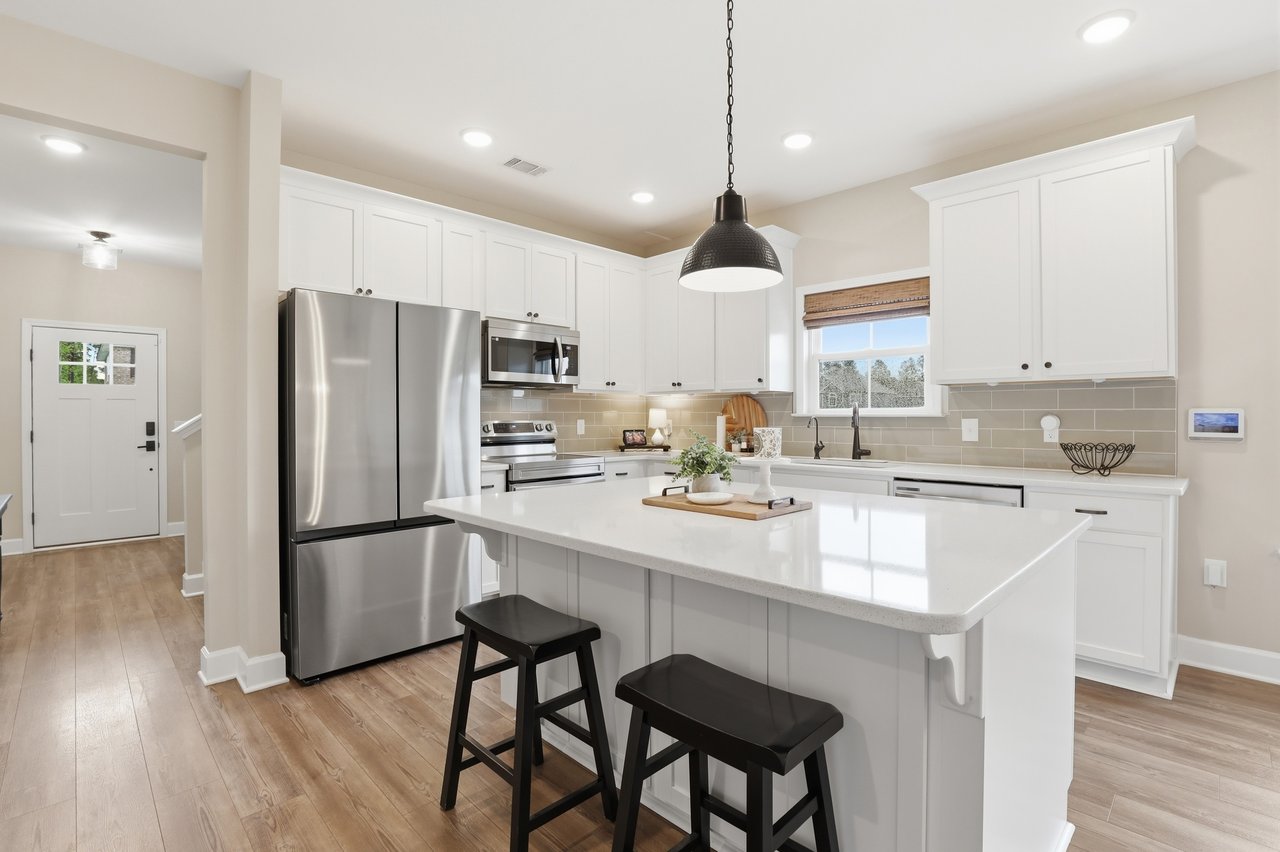
A move-in ready 4-bedroom home with a main-floor primary suite, modern finishes, and a private fenced backyard in Effingham County
Join hands with Savannah’s premier coastal specialists for a real estate experience that’s as unique as you are. Whether buying, selling, or exploring new opportunities, our team is dedicated to guiding you with warmth, and expert insight.