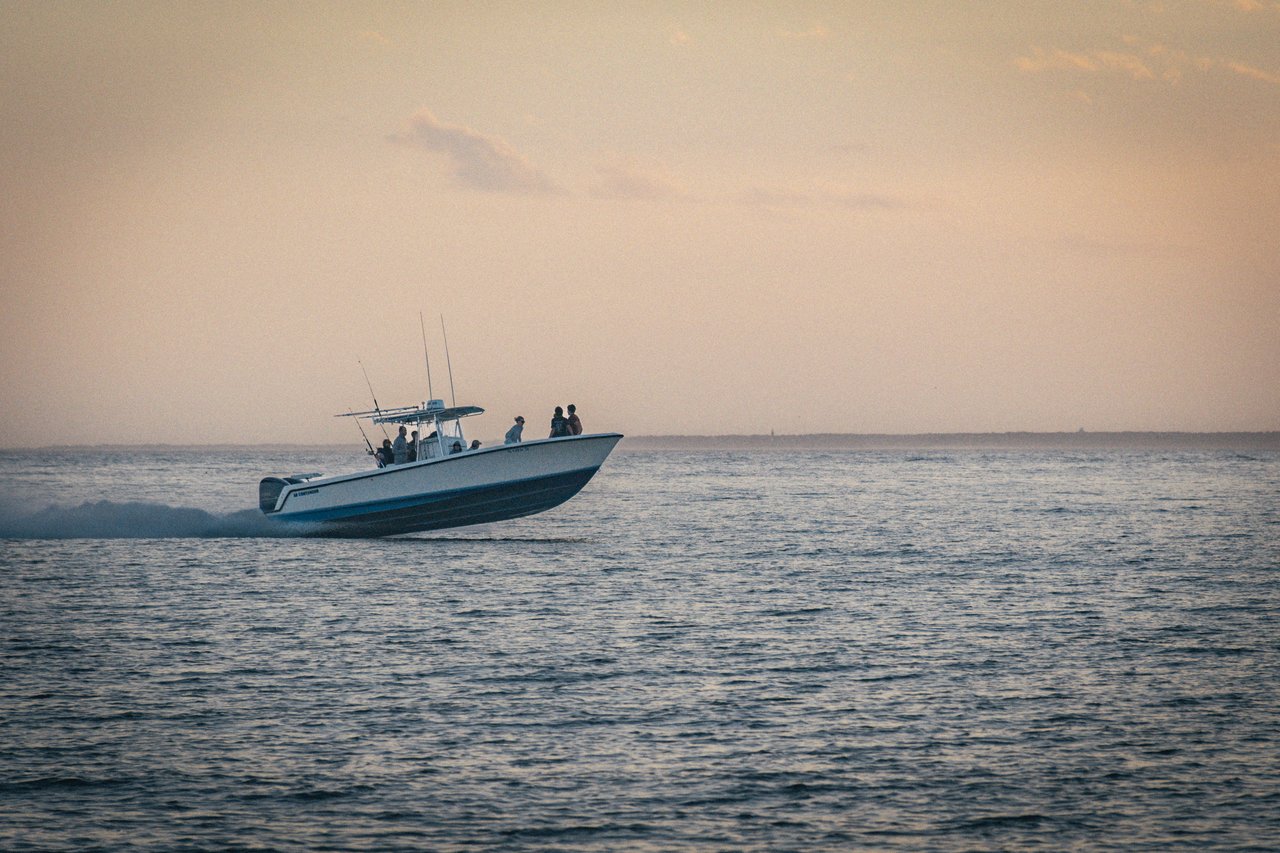
Buying a Home Near the Water in Savannah: Docks, Marsh Views, and Maintenance Reality
local market insights Trisha Cook January 27, 2026
local market insights Trisha Cook January 27, 2026
Savannah's waterfront allure is more than just its scenic views—it's about understanding what comes with living near the water. While the idea of marsh sunsets and easy river access is enticing, buying a home by the water in Savannah comes with its own set of unique challenges. From understanding the regulations and maintenance needs to the environmental impact, it's essential to know what you're getting into.
Unlike traditional waterfront properties, Savannah's water-adjacent homes vary widely in terms of access, costs, and limitations. A marsh-front home or one near a community dock can offer a completely different ownership experience than a property with direct river access. Recognizing these differences early can help you avoid costly surprises and make a more informed decision.
This guide breaks down the realities of waterfront living in Savannah, focusing on what you need to know about access, regulations, and ongoing maintenance costs. Whether you’re looking at a marsh-front property or a house near a marina, understanding these key points can help you navigate the complexities of waterfront ownership.
Waterfront access in Savannah is location-specific and regulated. Not all waterfront properties come with dock rights.
Marsh-front properties offer privacy and views, but often come with stricter environmental regulations and limitations on development.
Dock ownership involves permitting, regular inspections, and long-term maintenance costs that are often underestimated.
Flood zones, elevation, and tidal exposure affect insurance premiums, renovation possibilities, and future costs.
Savannah’s waterfront is defined by tidal rivers, creeks, and expansive marsh systems. This means water levels change daily, tidal patterns affect access, and erosion is a continuous challenge. Access to the water is not uniform—buyers will encounter several types of access:
Private Residential Docks
Community Docks
Public Fishing Piers and Boat Ramps
Nearby Marinas
Each option comes with different rights, costs, and maintenance responsibilities.
Having a private dock is highly sought after in Savannah, but it’s also the most regulated. Here’s what you need to know:
Permitting: Dock construction and modification require approval from both Georgia’s Department of Natural Resources (DNR) and the U.S. Army Corps of Engineers.
Restrictions: Some marsh-front properties are not allowed to build docks, even if neighboring homes have them.
Maintenance: Dock ownership includes responsibilities like annual inspections, storm damage repairs, and regular upkeep of the deck and pilings.
Environmental Protection: Dock placement, size, and depth are tightly controlled due to environmental concerns like erosion and wildlife protection.
For many buyers, community docks or access to nearby marinas are an attractive alternative. Established marinas in Savannah provide a range of services:
Isle of Hope Marina: Full-service marina with access to the Intracoastal Waterway, a popular choice for residents without private docks.
Sun Life Wilmington Island Marina: Serves Wilmington Island and the surrounding areas with wet/dry storage, fuel, and launch services.
Coffee Bluff Marina: A key resource for Southside Savannah and Coffee Bluff neighborhoods.
Marinas offer flexibility with services like professional maintenance, predictable monthly fees, and reduced personal liability, making them an appealing option for many waterfront buyers.
While marsh-front homes provide breathtaking views and a sense of tranquility, they often come with limitations:
No Dock Rights: Just because a property faces the marsh doesn’t mean you can build a dock.
Setbacks and Buffer Zones: Environmental regulations may restrict construction near water.
Landscaping Restrictions: There may be limits on how you can landscape your property near the marsh.
For many, the appeal of these homes lies in their privacy and natural beauty, but it's important to be aware that you may not have direct access to the water.
Flood risk is an important factor when purchasing a waterfront or marsh-adjacent home. The level of flood risk depends on both the elevation of the property and its proximity to tidal water.
Flood Insurance: Many waterfront homes in Savannah are in FEMA-designated flood zones. Insurance premiums can vary greatly depending on elevation and flood zone classification.
Elevation Certificates: A key document that affects the cost of insurance. Higher elevation properties typically have lower insurance premiums.
Renovations: Any changes to the property may require new permits to meet floodplain management requirements.
Failing to consider flood risks early can result in higher insurance premiums and unexpected costs when making changes to your property.
Living near water means ongoing maintenance challenges:
Humidity and Corrosion: Coastal properties face higher humidity, which can lead to wood rot, mold, and corrosion of exterior fixtures.
Storm Prep: Homes near the water need to be prepared for storms, with post-storm inspections becoming a regular part of ownership.
Decks and Railings: Exposure to salty air accelerates the wear and tear on decks and other exterior features, requiring more frequent repairs.
These aren’t flaws in the property—these are simply aspects of coastal living that need to be factored into your long-term budget.
Despite the added complexities, waterfront and marsh-front properties in Savannah continue to be highly desirable for many reasons:
Access to Water Activities: Boating, kayaking, fishing, and paddleboarding are all part of the coastal lifestyle in Savannah.
Scenic Views and Privacy: These properties offer unmatched views and the peace of living in a protected natural environment.
Proximity to Marinas and Waterways: Having easy access to nearby marinas and the Intracoastal Waterway adds to the appeal.
Well-informed buyers who understand the realities of waterfront ownership are more likely to make a durable, long-term purchase.
1. Can I buy a home near the water without dock rights?
Yes, many homes near the water don’t come with dock rights, especially those facing marshland. While this limits direct water access, it doesn’t mean you can’t enjoy waterfront living. Many buyers opt for nearby marinas or community docks, which still provide opportunities for boating, kayaking, and fishing without the added responsibility of owning a private dock.
2. How do environmental regulations impact waterfront property ownership?
Many buyers don’t realize how significant the environmental restrictions can be when owning waterfront property. For example, building additional structures or landscaping around a marsh-front home might be subject to limitations. Coastal and marsh areas have specific rules about construction setbacks and buffer zones. Before making a purchase, it’s vital to understand these restrictions to avoid future complications.
3. How do floods and water levels impact future costs?
One of the biggest challenges when buying a home by the water is flood risk. Many properties in Savannah are located in flood-prone areas, requiring flood insurance, which can be a high ongoing cost. However, these costs can vary depending on elevation and flood zone classification. Higher elevation properties tend to have lower insurance premiums, so it’s important to assess this early in the process to avoid surprises down the road.
4. What additional costs should I be aware of when buying a waterfront home?
A waterfront home isn’t just about the view — it’s about maintenance. You’ll need to consider regular upkeep for your dock, deck, and any other exterior features, as exposure to salty air and humidity can cause wear and tear. Additionally, homes near the water require storm preparation and post-storm inspections, which can add to your ongoing costs. If you want fewer maintenance responsibilities, opting for a home near a marina might be a more cost-effective choice.
Buying a home near the water in Savannah isn’t just about selecting a property with a view. It’s about understanding the rights, responsibilities, and long-term costs involved in maintaining that access. From dock ownership and flood risks to the realities of ongoing maintenance, these factors should be thoroughly understood before making a decision.
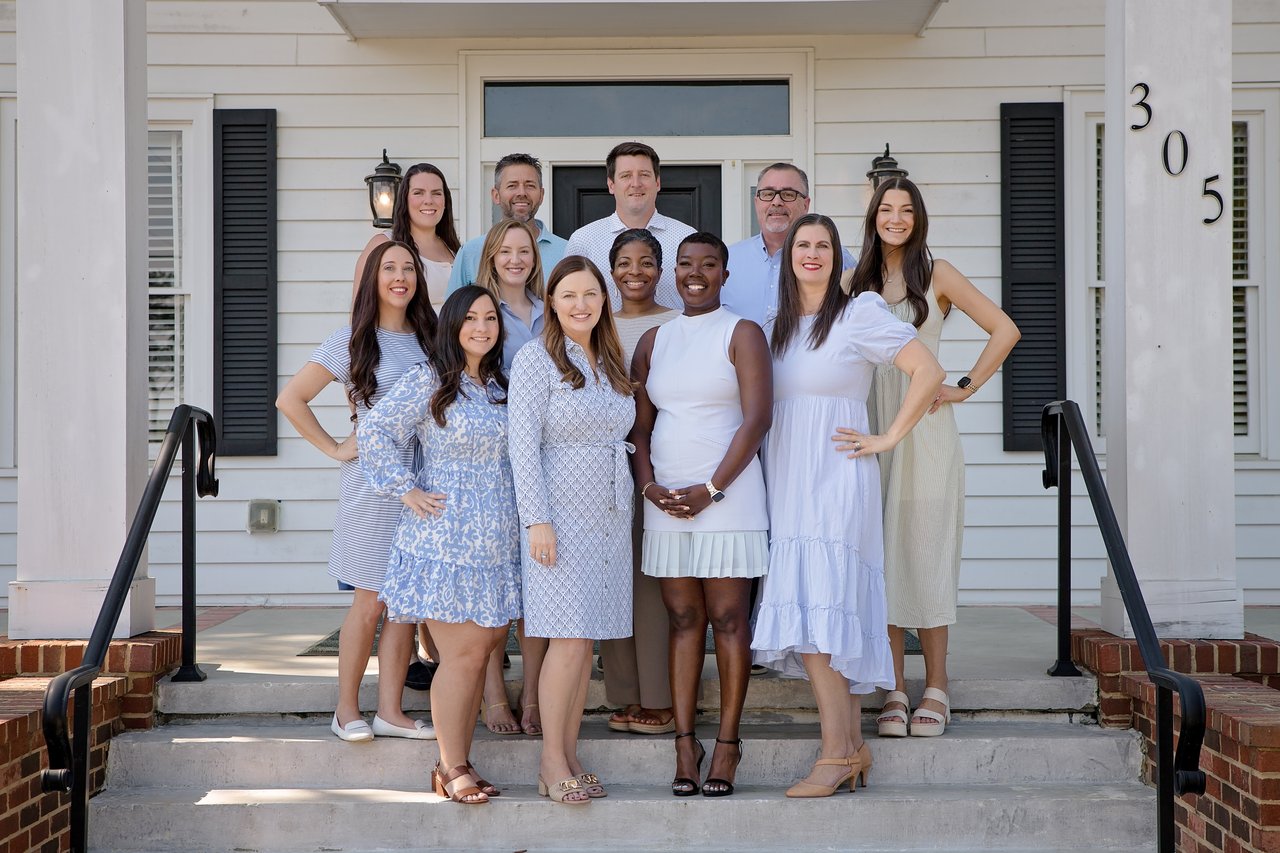
If you're considering buying a waterfront or marsh-adjacent home in Savannah, working with The Trisha Cook Team will help you make an informed decision. We’ll provide a clear and honest assessment of what ownership truly means and help you avoid the common mistakes many buyers face. Contact us today for expert guidance and a realistic breakdown of what owning a waterfront property in this beautiful coastal city really entails.
Stay up to date on the latest real estate trends.
buyer education
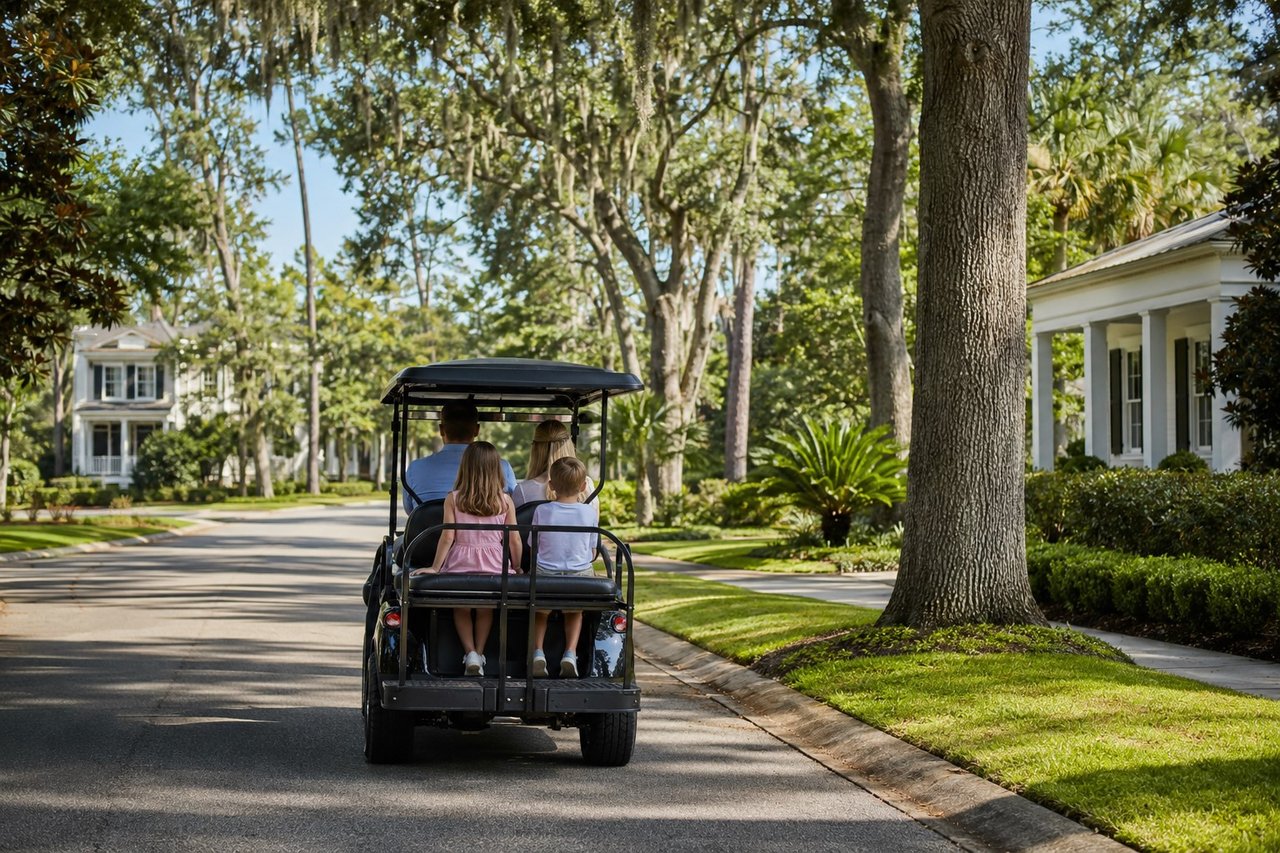
Narrow your search by budget, daily routine, must-haves and home style before spending weekends touring homes in the wrong places.

Community Guides
Looking for the best places to watch football? Explore football bars and game-day spots in Savannah, Pooler, Hilton Head Island, and Bluffton.

buyer education
What Savannah-area buyers should know about builders, lots, incentives, inspections, financing and custom construction before signing a contract
Coastal Georgia living
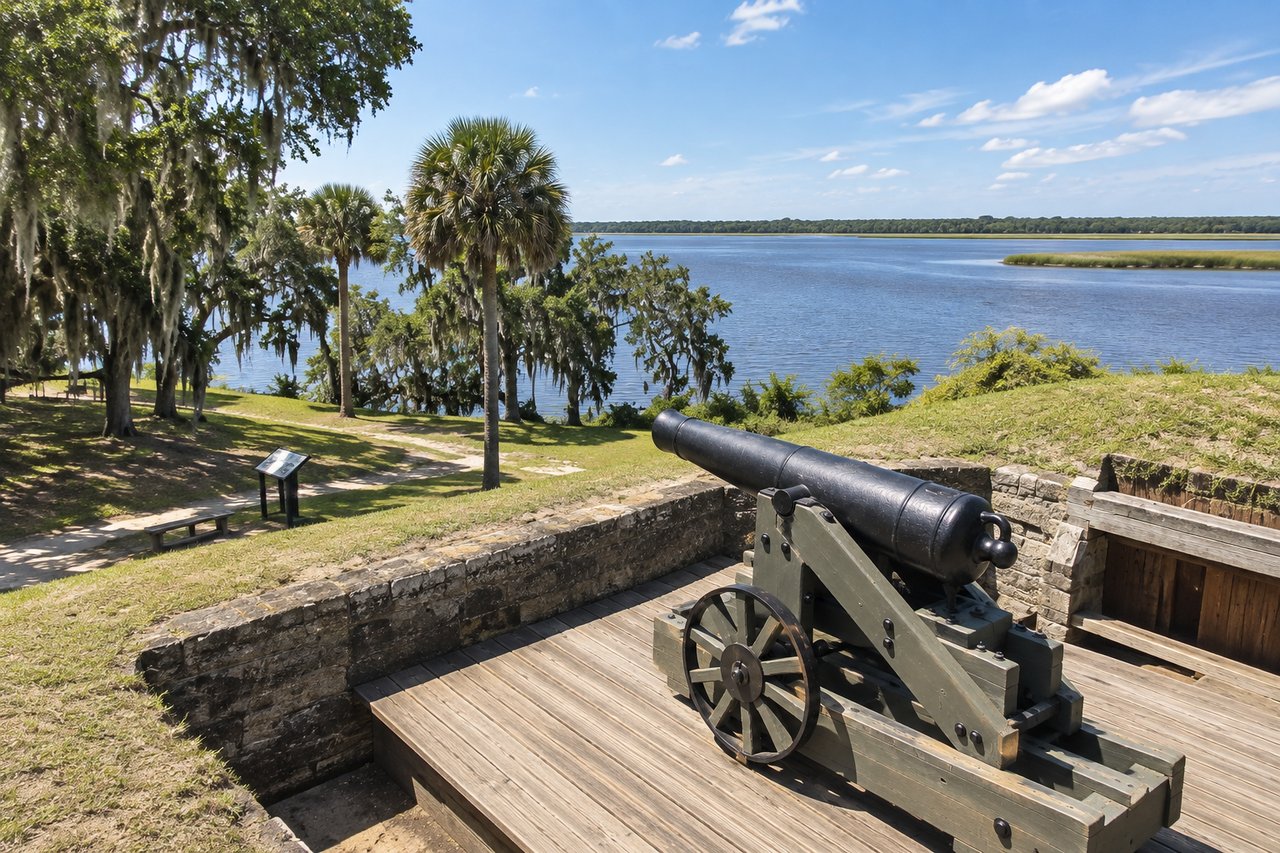
Two Richmond Hill landmarks. Two very different ways to spend a Saturday.

Luxury Real Estate
A closer look at the curated selections giving 102 Woodside Cove its warm, polished personality.
Savannah Quarters
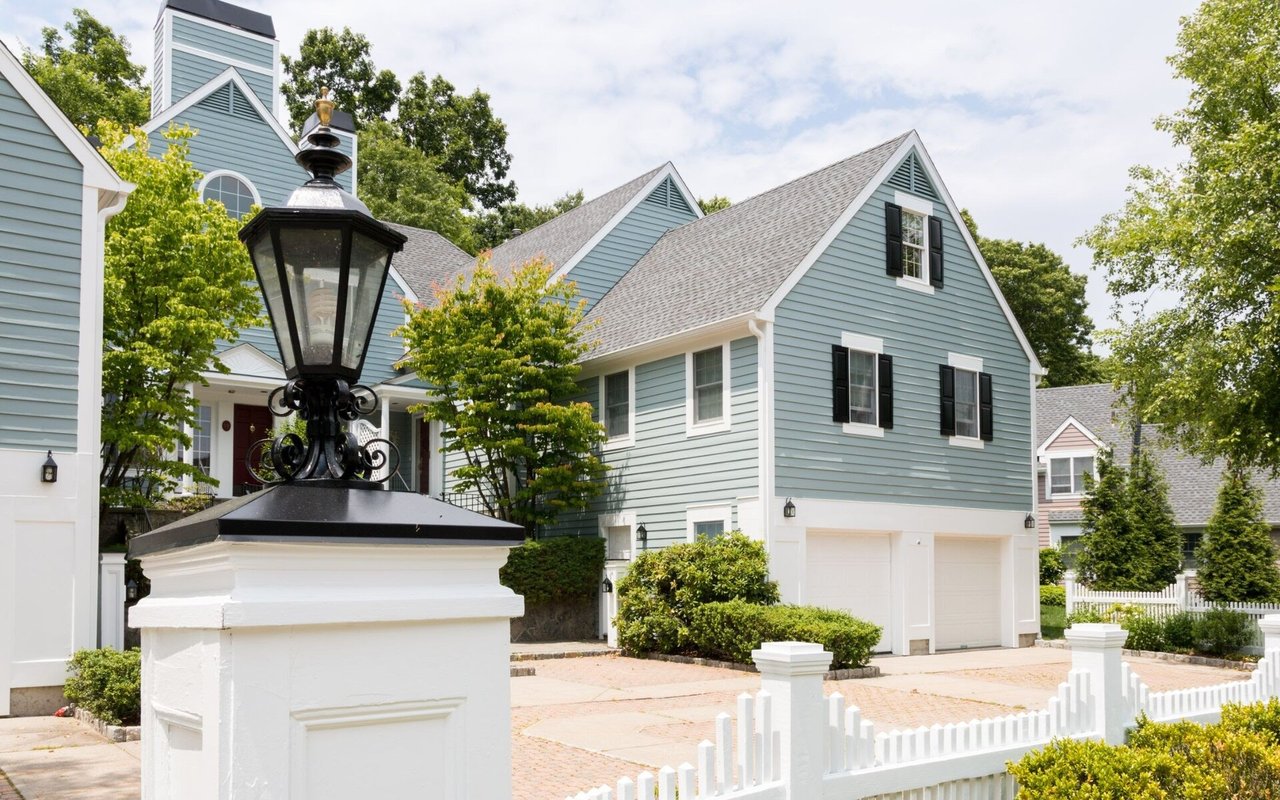
Learn how Westbrook, Reunion, Westbrook Lakes, The Gates and the other Savannah Quarters communities differ before choosing a home.

Real Estate & Home Buying
How the City of Pembroke and Georgia DCA are working together to create attainable homeownership opportunities through the CHIP program.
If the fee is comparable, hiring one agent instead of an entire coordinated team may mean paying the same amount for less coverage, fewer specialists and one person’s … Read more
Coastal Georgia living
What to expect from Savannah’s mild fall weather, local events, coastal lifestyle, and the home-buying market this season.
Join hands with Savannah’s premier coastal specialists for a real estate experience that’s as unique as you are. Whether buying, selling, or exploring new opportunities, our team is dedicated to guiding you with warmth, and expert insight.