
Why Out-of-State Buyers Are Relocating to the Lowcountry
Relocation & Investment Trisha Cook April 3, 2026
Relocation & Investment Trisha Cook April 3, 2026
Over the past decade, the Lowcountry—spanning Savannah, Hilton Head Island, and Bluffton—has become an increasingly considered destination for out-of-state buyers, particularly those coming from higher-density and higher-tax markets.
Rather than a single driving factor, this shift is typically influenced by a combination of lifestyle priorities, long-term planning, and a preference for lower-density coastal environments. Buyers are often drawn to the region for its balance of privacy, natural surroundings, and access to established residential communities.
The Lowcountry continues to attract out-of-state buyers seeking a lower-density coastal lifestyle with access to nature and established residential communities.
South Carolina’s tax structure is generally more favorable than that of many high-tax states, contributing to long-term financial planning considerations.
The region offers a range of property types, from historic homes to private community residences, appealing to both primary and second-home buyers.
Buyers are often comparing the Lowcountry to other coastal markets, prioritizing space, privacy, and long-term livability.
Out-of-state buyers are typically drawn to the Lowcountry for a combination of lifestyle and planning considerations rather than a single defining factor.
In our experience working with buyers relocating from markets such as the Northeast and West Coast, common priorities include:
A transition away from high-density urban environments
Access to outdoor living and natural surroundings
Greater privacy and more residential community planning
Long-term lifestyle stability over short-term proximity to major cities
The Lowcountry offers a distinct alternative to more fast-paced coastal markets, with a stronger emphasis on preservation, community structure, and day-to-day livability.
South Carolina is often considered by buyers evaluating relocation due to its overall tax structure, particularly when compared to higher-tax states.
The state does not impose an estate or inheritance tax, and property taxes in areas such as Beaufort County are generally lower than in many major metropolitan regions. Additionally, certain retirement income exemptions may apply, depending on individual circumstances.
For many buyers, these factors are part of a broader financial planning strategy rather than the sole reason for relocation.
The Lowcountry offers a range of housing options that differ significantly from more vertical or high-density coastal markets.
Buyers can explore:
Historic properties in Savannah’s established districts
Ocean-oriented homes and resort-style communities on Hilton Head Island
Private, master-planned communities in Bluffton with a focus on land preservation
Rather than focusing solely on price comparisons, many buyers evaluate the region based on:
Lot size and spacing between homes
Architectural consistency
Access to outdoor environments
Overall community planning
Compared to markets such as South Florida or coastal California, the Lowcountry offers a different residential experience—less driven by density and more by land use and long-term design.
A primary driver for relocation is lifestyle.
The Lowcountry is defined by:
Saltwater marshes and river systems
Walkable community layouts and trail systems
Year-round outdoor access
For buyers transitioning from urban environments, this often represents a shift not only in location, but in daily rhythm—moving from proximity-based living to space-oriented living.
Hilton Head Island is known for its access to beaches and golf, while Savannah offers a combination of historic structures and cultural activity. Bluffton, in contrast, is often selected for its quieter, more residential feel and proximity to preserved natural areas.
Buyers evaluating the Lowcountry often consider both lifestyle and long-term value.
While market conditions vary over time, the region has maintained steady interest due to:
Limited land availability in certain coastal areas
Ongoing demand from out-of-state buyers
Continued development balanced with preservation in key communities
Rather than short-term speculation, many buyers approach the Lowcountry as a long-term hold—either as a primary residence, second home, or multi-generational asset.
The Lowcountry includes a number of private and master-planned communities designed around amenities, land use, and long-term residential planning.
These communities often include:
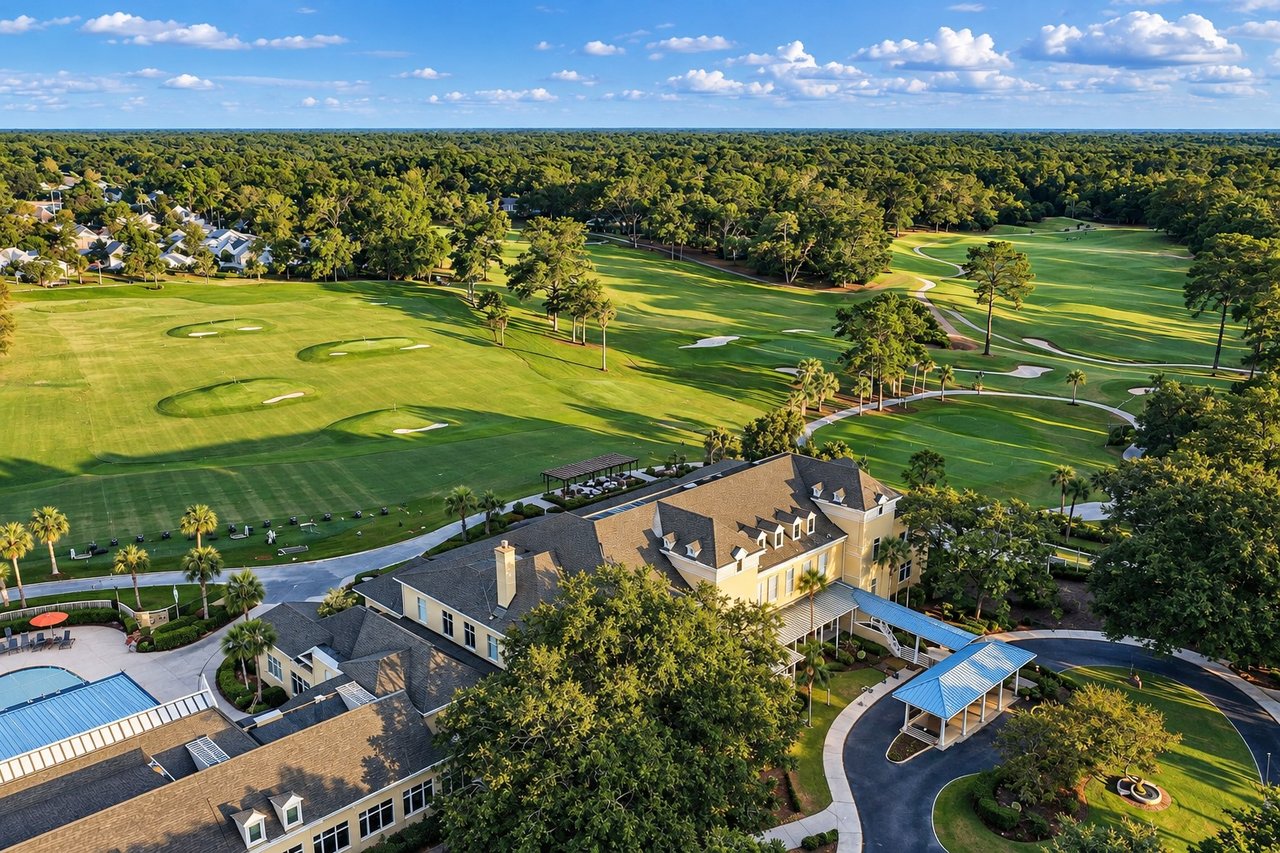
Golf courses and club facilities
Trail systems and outdoor access
Dining, fitness, and social spaces
Controlled access and lower-density layouts
For many buyers, these environments offer a level of structure and predictability that differs from more open or urban residential models.
Many buyers are seeking a combination of lower-density living, access to nature, and a more stable long-term residential environment compared to high-density urban markets.
The region attracts both primary and second-home buyers. Some relocate full-time, while others maintain residences in multiple markets.
South Carolina’s tax structure is often more favorable than higher-tax states, particularly in terms of property taxes and estate planning considerations.
Compared to markets like South Florida or coastal California, the Lowcountry generally offers more space, lower density, and a stronger emphasis on land preservation and community planning.
For buyers evaluating coastal markets, the Lowcountry offers a distinct combination of space, structure, and long-term livability.
The Trisha Cook Team works with out-of-state buyers comparing Bluffton, Hilton Head Island, and Savannah—and can provide tailored insight based on your goals, timeline, and lifestyle priorities.
Stay up to date on the latest real estate trends.

Buying a Home
Two private Hilton Head communities, with different boating setups and practical questions buyers should settle before choosing a home.

Buying a Home
Look beyond the dues to understand reserves, planned projects, special assessments and the questions that need written answers.

Commercial / Investment Properties
What rental owners should compare beyond the monthly fee, from leasing and maintenance to records, inspections and time.
Community Guides
What to know about this Richmond Hill community, its homes, amenity plans and place in a Savannah-area retirement search.
Coastal Georgia living
What the winter project could mean for beach access, property showings and buying or selling on Tybee in 2026–2027.
Selling A Home
Luxury photography is only the beginning. Pricing must account for the specific neighborhood, Club access, lot position, upgrades and competing new construction.

buyer education
What Michael Toma’s latest Georgia Southern report tells us about jobs, new construction and real estate decisions in Chatham, Bryan and Effingham counties.
Community Guides
Compare ownership costs, Club structure, golf, marina access, rental rules and the practical differences buyers should understand before choosing between Hilton Head P… Read more
Join hands with Savannah’s premier coastal specialists for a real estate experience that’s as unique as you are. Whether buying, selling, or exploring new opportunities, our team is dedicated to guiding you with warmth, and expert insight.