
Thinking of Selling? These 5 Numbers Tell You More Than Any Headline Will
local market insights Trisha Cook August 16, 2026
local market insights Trisha Cook August 16, 2026
Most homeowners don't need to know everything about the housing market. They just want answers to questions like:
The good news is you don't need to watch the market every day to answer those questions.
Five local metrics tell most of the story. Together, they reveal how competitive the market is, how buyers are behaving, and what that means for homeowners in the greater Savannah area.
Here are the five data points I track regularly, and why each matters.
Inventory is the total number of homes for sale in your area right now.
That one number tells you who holds the power in a negotiation.
Low inventory means fewer choices for buyers, which means more competition for your home if you list. High inventory means buyers have options, and you have to work harder to stand out.
So, here’s the question you need a clear answer to:
Is inventory in your neighborhood going up, down, or holding steady compared to last year?
If it's rising, pricing strategy starts to matter more, because buyers have more to compare your home against. If it's falling, the window to sell with less competition may be shorter than it looks.
Here’s what I’m seeing in Savannah:
Days on market measures how long homes sit before going under contract. Think of it as the market's report card on pricing.
A home that sits too long starts to carry a stigma. Buyers wonder what's wrong with it. The longer it sits, the more leverage shifts to the buyer's side of the table.
Here’s the question to ask:
Are homes in your price range and neighborhood selling in days, or in weeks?
If days on market is climbing, the market is telling sellers something about price. If it's short, well-priced homes are still moving quickly. Knowing which category your home falls into before you list changes how you should approach pricing from day one.
Here’s what I’m seeing in Savannah:
This is the percentage of active listings that have dropped their asking price at least once. It's a lagging indicator, meaning it tells you what already happened to homes listed for sale.
A high rate of price reductions in your area means buyers are pushing back, and aspirational pricing is getting punished.
So, here’s the question:
What percentage of homes in your zip code have had a price cut in the last 30 days?
A rising number means the market is correcting itself, and the right response is pricing accurately from day one. Homes priced correctly from the start tend to sell well and sell fast. Homes that get chased down in price usually take longer and net less in the end.
Here’s what I’m seeing in Savannah:
Months of supply measures how long it would take to sell every home currently on the market if no new listings came on. It's the clearest single signal of market balance available.
Here’s what you need to know:
Where does your local market sit right now, and which direction is it trending?
This number can move quickly. A market that sat at 1.8 months of supply a couple years ago and now sits at 4.2 months has fundamentally changed. Homeowners who understand that movement price and time their move accordingly.
The ones who don't are often the ones taking price cuts later.
Here’s what I’m seeing in Savannah:
Mortgage rates affect sellers just as much as buyers. Every point rates move changes how many qualified buyers can afford your home at your target price.
A buyer who could afford your home at 6.5% may not qualify at 7.5%. That directly affects your pool of potential buyers before your home even hits the market.
Here’s the question that demands a clear answer:
At today's rate, how many buyers in your market can realistically afford a home at your price point?
Rates also affect your next move. If you have a 3% rate locked in, deciding to sell isn't just about what your home is worth. It's about what payment you'd be moving into. That math is worth walking through with real numbers before you decide anything.
As of now, the weekly average rate for a 30-year mortgage sits at 6.67%, up from 6.58% roughly one year ago.
Understanding these five numbers and where they stand in the Greater Savannah area empowers you to act with confidence when they indicate you’re in a good position to sell.
Stay up to date on the latest real estate trends.

buyer education
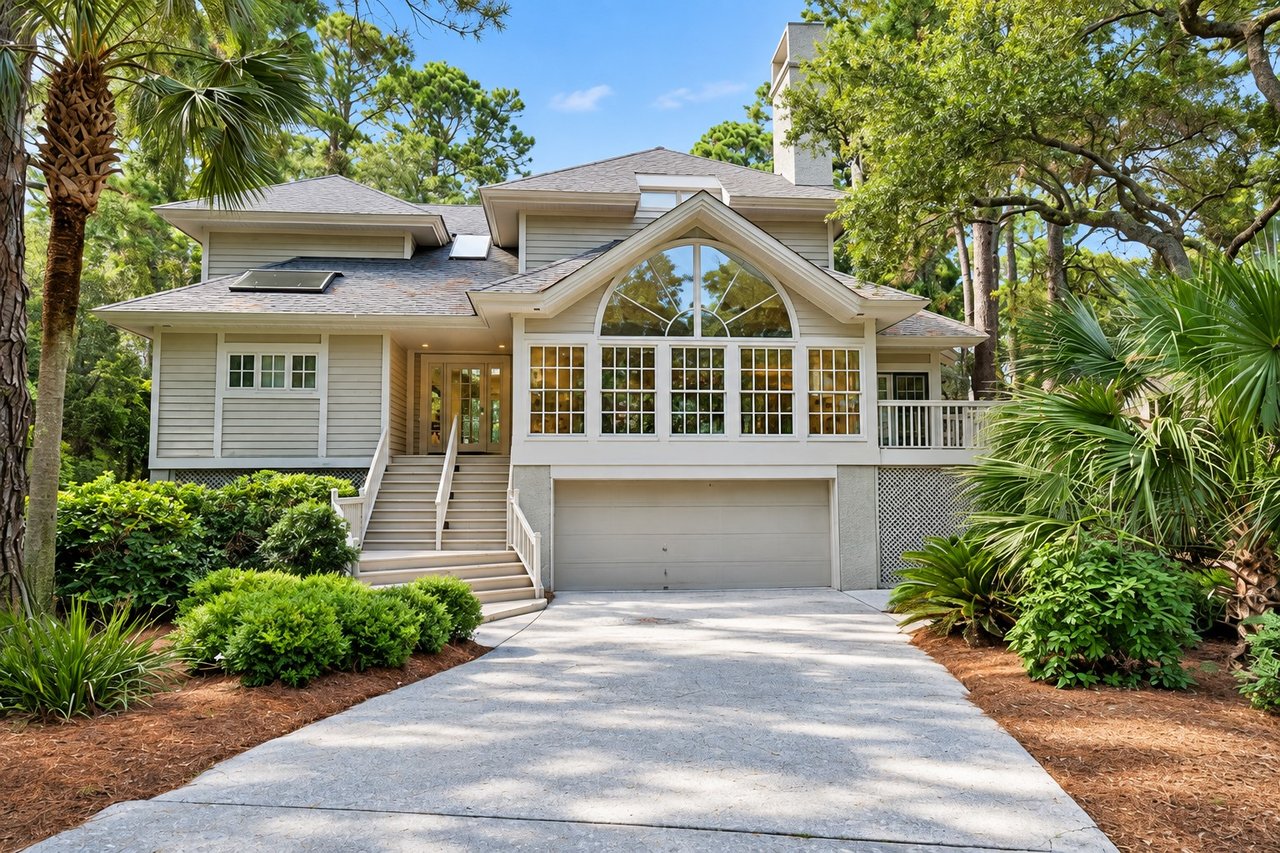
See what’s open over the Wilmington River, what Georgia DOT has confirmed about the second span, and how to plan a drive to Savannah’s islands.
Lifestyle
Use this fall and spring checklist to catch drainage problems, spot termite warning signs and take care of siding, trees and plumbing.
Community Guides
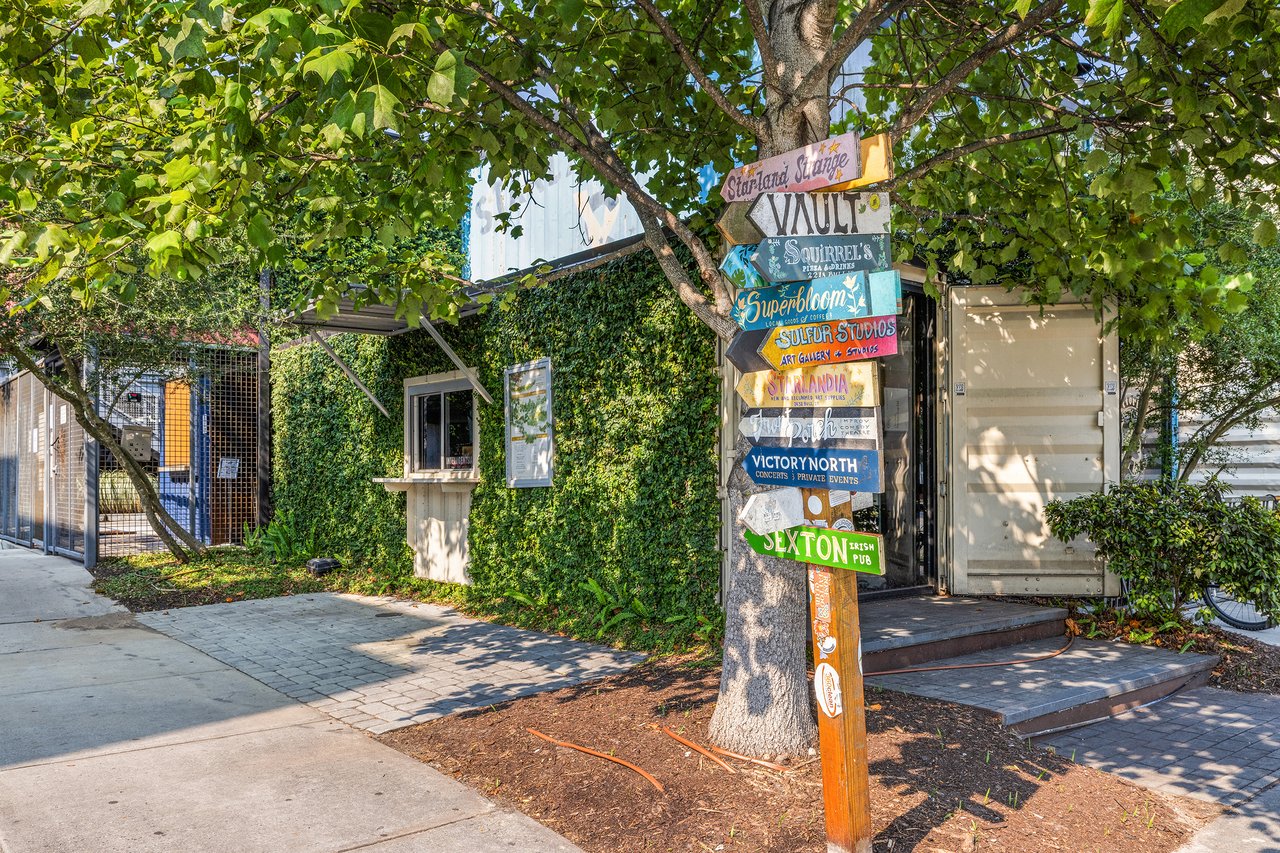
From new restaurants and residential development to zoning changes, here's what buyers, sellers and homeowners should know about Savannah's evolving Starland area.
Community Guides
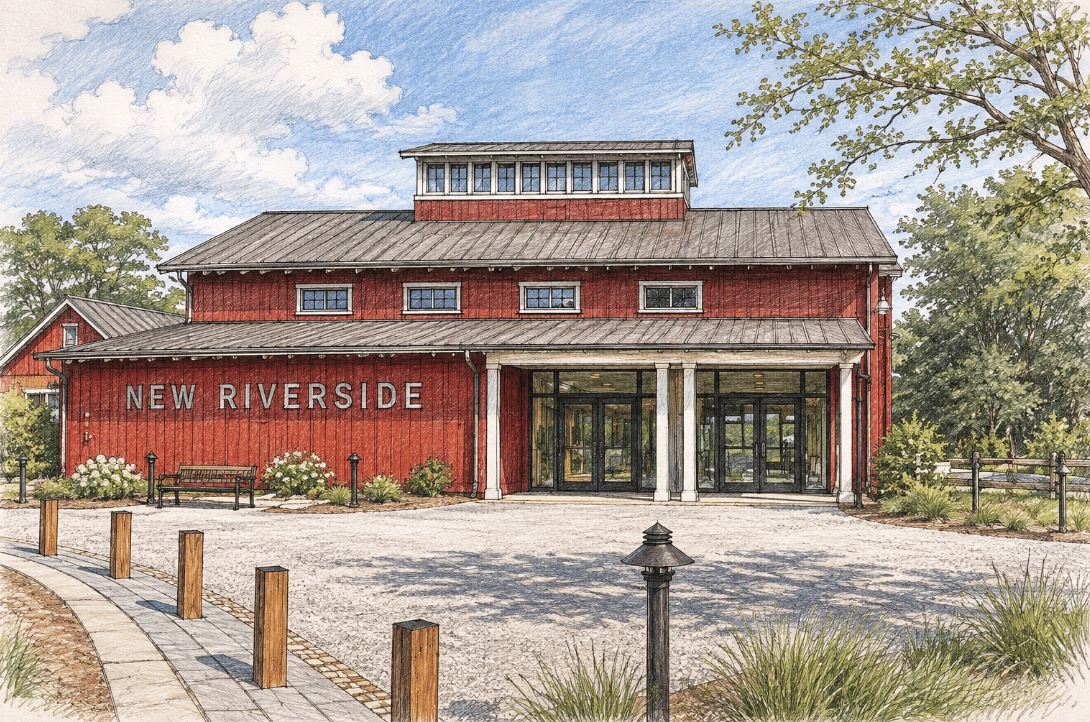
Explore the public park, renovated barn, disc golf, upcoming events and the practical details to consider when buying nearby.

Community Guides
A practical look at location, new and resale homes, amenities and the costs to compare in this South Carolina 55+ community.
Buying a Home
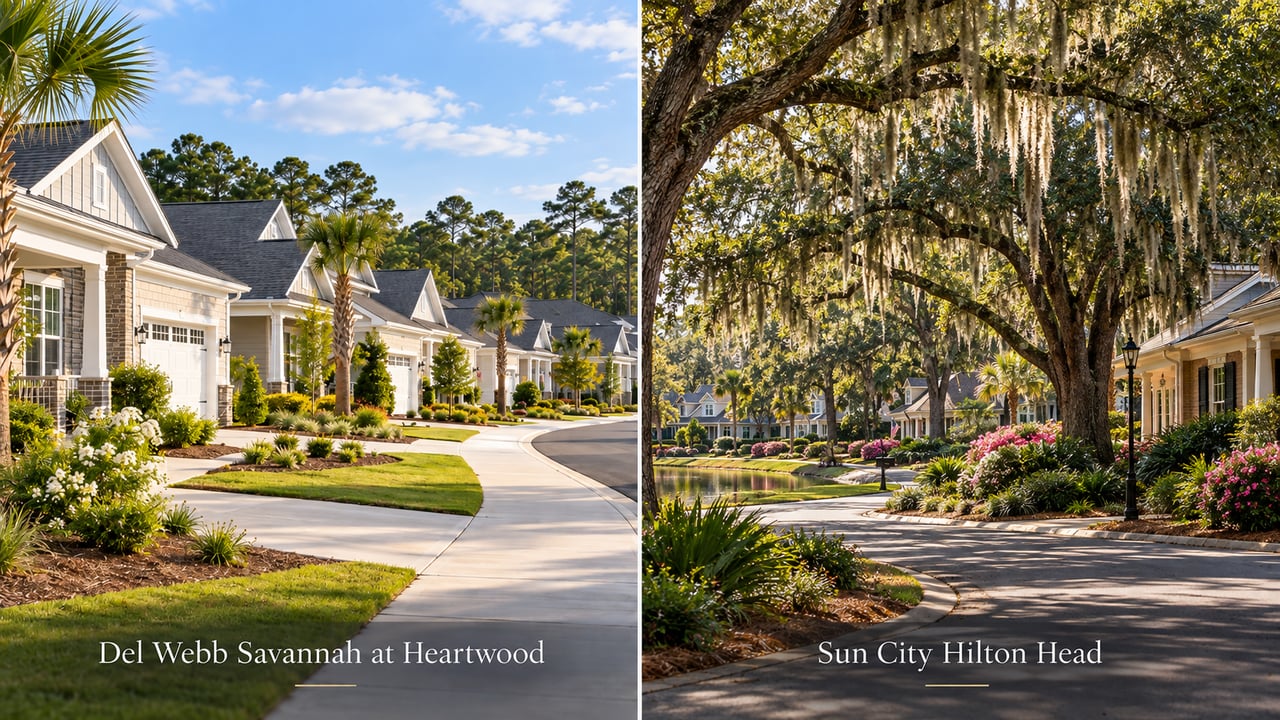
Compare the Georgia and South Carolina locations, home choices, amenities and questions that matter before buying in either community.

buyer education
Compare Hinesville, Richmond Hill, Savannah and Pooler around your actual duty location, housing budget and next move.

Community Guides
Sourced neighborhood options in Savannah, Pooler and Richmond Hill, plus a scheduled River Street event and what to check before heading out.

Selling A Home
A practical Skidaway Island preparation plan: repairs that matter, updates to question, community approvals and the records buyers need.
Join hands with Savannah’s premier coastal specialists for a real estate experience that’s as unique as you are. Whether buying, selling, or exploring new opportunities, our team is dedicated to guiding you with warmth, and expert insight.