Savannah Real Estate Update: Coronavirus Impact on the Savannah Housing Market
Quick Summary:
- Here's a useful tip about life: Coronavirus or not, there's always something people panic over.
- Sometimes it's personal. Sometimes it's local. Sometimes it's global.
- Greater Savannah residents can still protect what is likely their single largest asset (their home) by making smart, rational decisions.
It's time to panic!
That's what the stock markets were told in late February.
Last week's stock market sell-off was the 12th worst in a 90-year history, and the 4th worst post-World War II.
For many investors, the US stock market sell-off was one of the worst weeks of their investing careers.
- The 11.4% drop in the S&P 500 was the worst since October 2008 (-18.1%).
- Before that, professionals in their early 40s may have experienced the crash post 9/11 (-11.6%).
- Before that, the previous worst week was the October 1987 sell-off (-12.2%).
COVID-19, AKA the Coronavirus, was out and about and the market had only one conclusion . . .
It was time to panic!
In this article, we outline the likely impact of the coronavirus on the Greater Savannah, GA area real estate market. We also list our suggestions if you're looking to buy or sell a home in Savannah, Pooler, Richmond Hill, Effingham County, or the remainder of our lowcountry.
If you're looking for a personal recommendation on your situation (buying or selling a home in Savannah) and how it could impact your goals, please contact Trisha Cook at [email protected]
Lessons from the last viral outbreak and how it can apply to Coronavirus in the Greater Savannah area today.
When we reflect back on the last decade, there have been a huge number of bogeymen (war with Iran, terrorist attacks, war with North Korea, new laws coming out of Washington DC . . . ) lurking around the corner.
While there are always precautions we can take, it's not healthy to obsess over every potential negative outcome.
However, we can learn from history and apply it to today.
For example, do you remember the Ebola virus? Remember how panicked everyone was about that epidemic?
WorldAtlas.com wrote: "The world's most widespread Ebola virus disease outbreak happened in West Africa in 2013 and lasted until 2016. Major loss of life and socioeconomic losses were suffered during this epidemic . . . After a peak in October 2014, things started getting under control as international efforts started bearing fruit. Finally, on March 29, 2016, WHO (the World Health Organization) terminated the status of the epidemic as an emergency of international concern."
There were 11,323 deaths during that time frame.
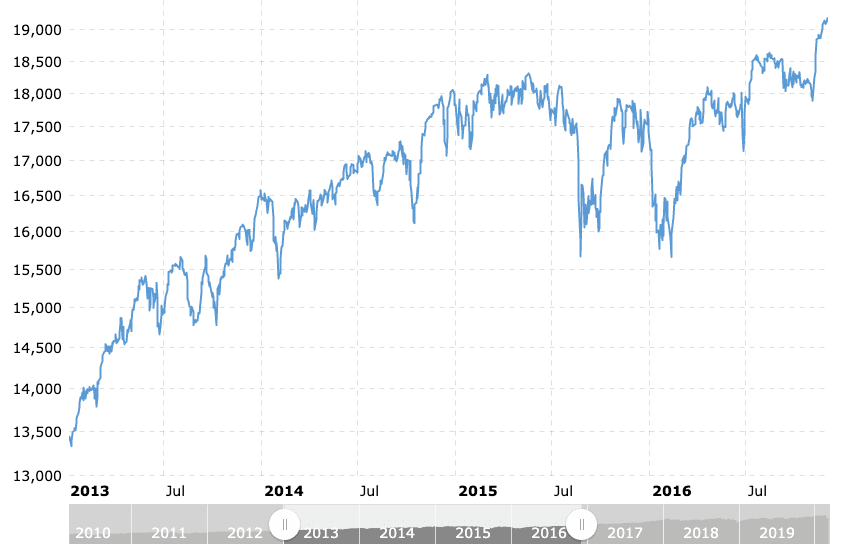
Here's what happened to the US stock market (Dow Jones Index):
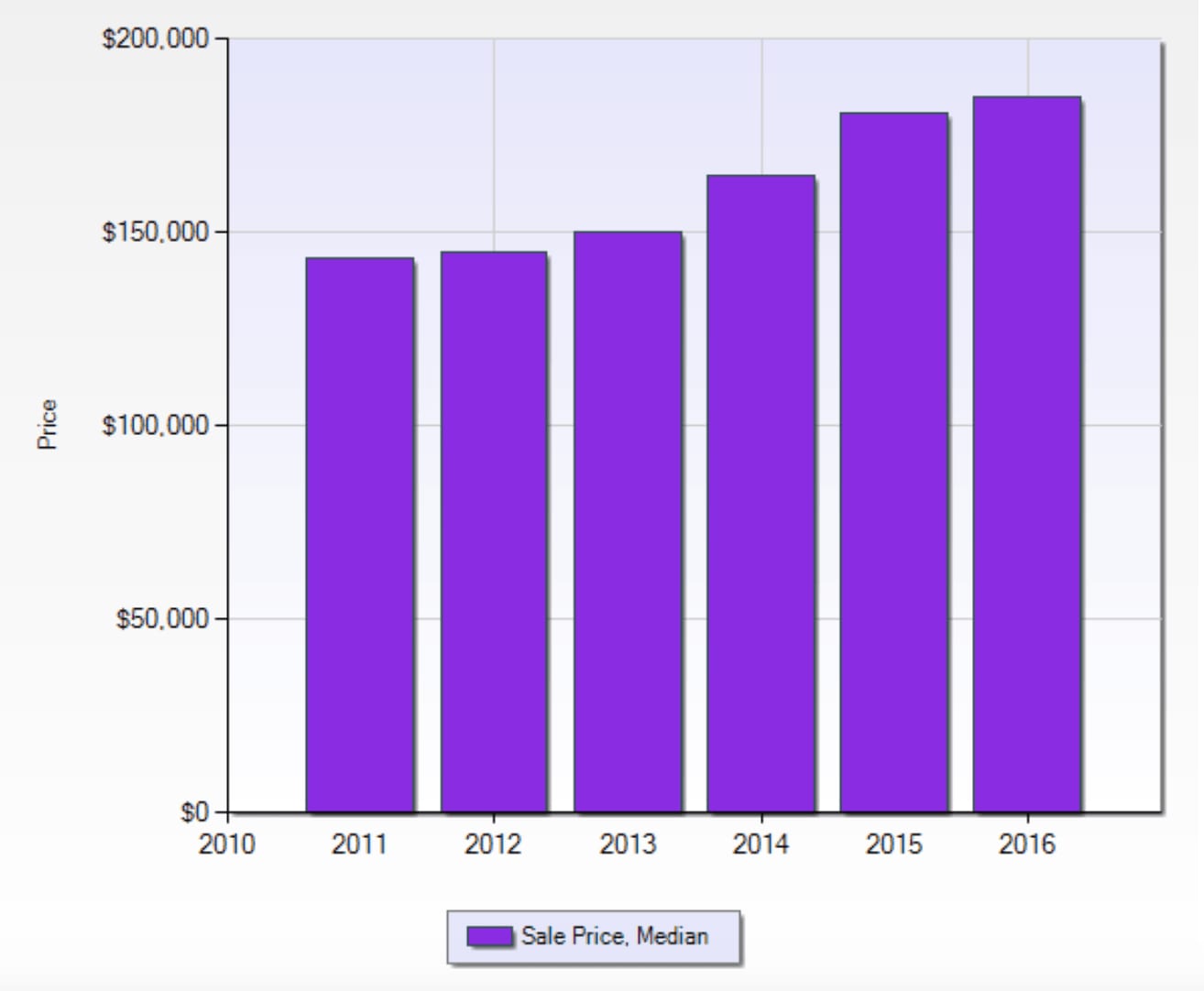
And here's what happened to Savannah Real Estate Prices:
Parallels: Coronavirus & The 1918 Spanish Flu?
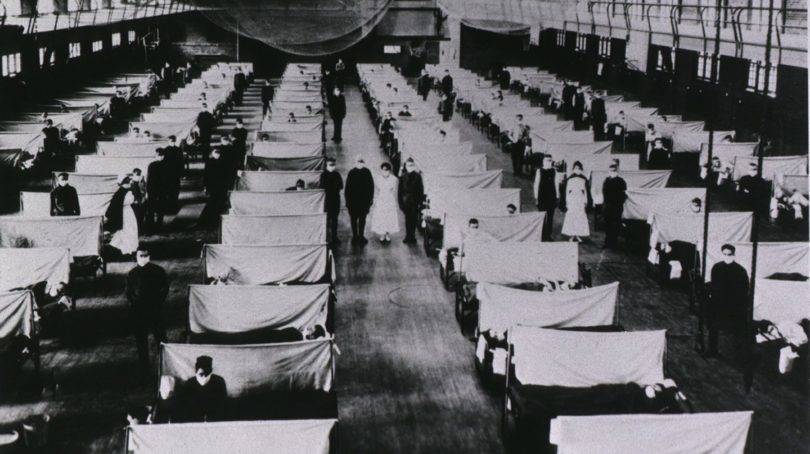
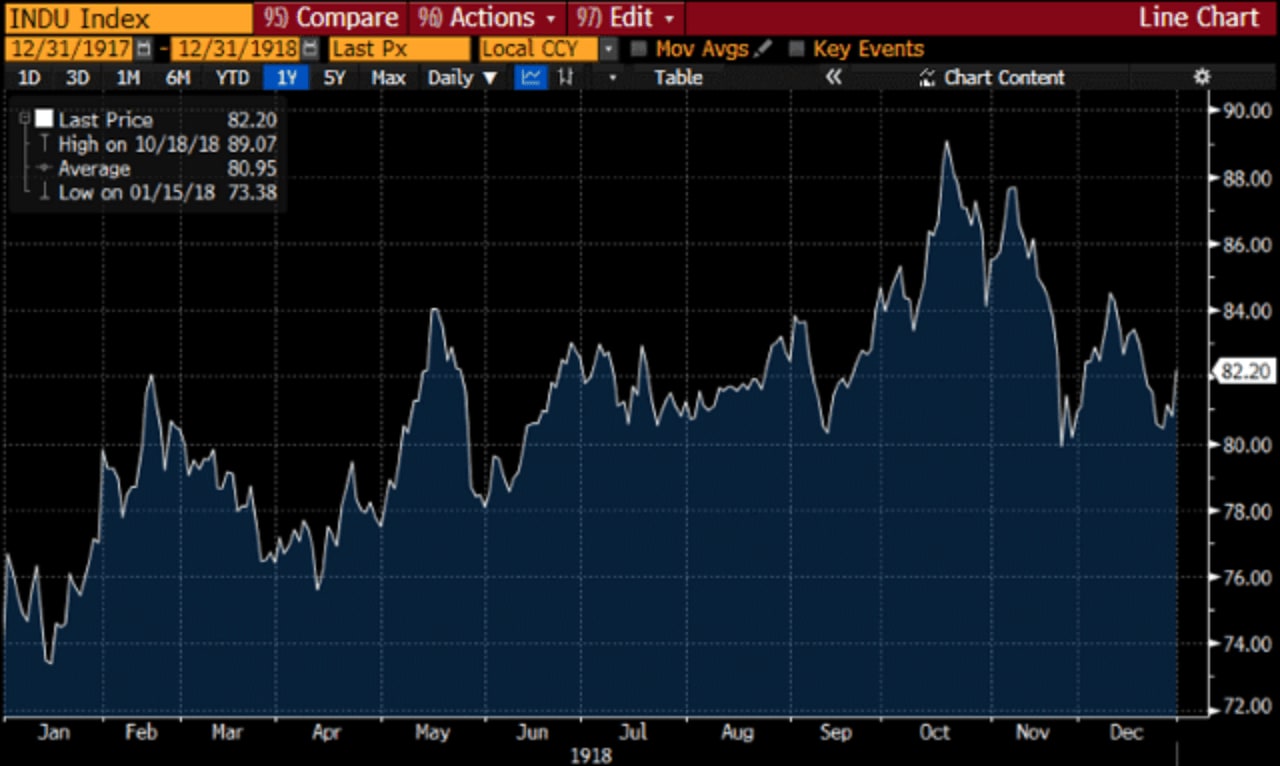
What happened to the market the last time we had a wide-spread, historical, global viral pandemic (the Spanish Flu from 1918)?
Stock markets (and most people) have trouble dealing with events outside normal probabilities.
Even current epidemiologists struggle to frame the potential range of outcomes for a virus like this.
However, by looking at historical pandemics, we may get some insights into how the world has reacted in the past; and track it to how the market will respond if COVID-19 reaches a panic of epic proportions.
If you exclude the Black Plague from the mid-14th century, the Spanish Flu from 1918 is likely the most deadly viral outbreak in modern history.
That influenza pandemic infected approximately 500 million people worldwide (more than 1/4 of the global population).
In the United States, it caused about 675,000 deaths.
Since there's not much publicly available Savannah real estate data from 1918, the baseline we're using here is the US stock market.
Framing the current viral outbreak versus historic pandemics may provide some measure of insight.
In 1918, the Spanish Flu took out roughly 0.6% of the total population, the stock market had a decent year. The Dow Jones Industrial Average (DIA) delivered a 10.5% return (around the long term average).
There was an immediate crash, but long-term investors still benefited from it.
This broader perspective can remind investors that the US has navigated difficult scenarios well in the past.
We don't know exactly how the Coronavirus will impact the Savannah real estate market, or the global economy or stock markets.
However, we do know that the world is in a much better place today than it was in 1918 when disease and war ravaged the planet.
American businesses have continued to create jobs and shown incredible resilience in even more difficult situations that we're seeing today.
As you think about your home and your other investments, and wonder how will the coronavirus affect the Savannah real estate market, remember that the long-term fundamentals have stood the test of time.
Coronavirus In Savannah Today
Let's put the Coronavirus in context against historical viral outbreaks, based on the data.
Compare that to COVID-19, or the Coronavirus.
As of March 6, the World Health Organization (WHO) was saying there have been:
Outside of COVID-19's country of origin, the WHO is reporting a 1.46% death rate for those who have contracted it.
This compares to a 0.1% death rate for the common flu.
According to the CDC, the main reason that COVID-19 is of higher concern is the pace at which it's spreading:
"The virus that causes COVID-19 seems to be spreading easily and sustainably in the community ("community spread") in some affected geographic areas. Community spread means people have been infected with the virus in an area, including some who are not sure how or where they became infected."
And, incidentally, on a global level, 99.9886% of the world's population has not been affected so far.
Still, it's time to panic, as evidenced by how the stock markets behaved last week. But you can rely on major success themes so you can still make a good investment.
Long-Term Success Themes
Unsurprisingly, the questions have begun to flood in; people are grasping for any Savannah real estate market forecast to plan their next move. You may be wondering if investing in Savannah area real estate right now is a good idea given everything, so let's break the situation down to the basics . . .
You can only do so much to avoid getting the Coronavirus. In addition, no one can predict whether the markets will be fear- or greed-fueled.
But that doesn't mean you need to make emotion-fueled decisions with what is likely your single largest asset – your home.
Is It A Good Time To Buy A House In Savannah and its surrounding cities?
Real estate is hyper local – for personal recommendations on a buying strategy, please contact [email protected]
One of the questions we've gotten a lot recently is "I'm considering buying a home in Savannah, what impact do you think the Coronavirus will have on me?"
So how is the real estate market in Savannah faring amid the coronavirus outbreak?
While we don't have a crystal ball, below are our thoughts, based on our research, experience and what we've seen from past market shocks:
- Currently, the majority of buyers we are working with aren't changing their home buying strategy (at all) based on Coronavirus fears.
- In parts of the city, we're still seeing multiple offers and homes going under contract within the first few days. As far as Savannah real estate market predictions go, buyer activity is unlikely to change any time soon.
- Both based on Coronavirus fears and the upcoming presidential election (where the news media is filled with fear, uncertainty and doubt) we expect 5-10% of buyers to "sit on the sidelines" for much of 2020.
- Since the typical real estate purchase process takes about 4-6 months (including being under contract for ~30-45 days), any data showing any market impact won't begin to show up for at least 3 months.
- Historically, it has taken 18 months before there is a material impact on the real estate market (e.g. after the 2008 crash, average home prices still increased for ~12 months).
- So to those wondering, "Is it a good time to buy a house in Savannah?": Evidence suggests that Savannah real estate market conditions may remain largely unchanged in the immediate future.
So by all means, continue to search for the best neighborhoods to invest in Savannah.
Historically, these buyers who sit on the sidelines are concentrated in "discretionary" parts of the market:
- Investor markets (either the multi-family home market or the lowest price end of the market with higher than average investors purchases)
- 2nd home markets (e.g. Downtown, waterfront, or condos)
- Luxury home market (typically luxury buyers have more discretion on when they move)
Is It A Good Time To Sell A House In Savannah?
Real estate is hyper local – for personal recommendations on a selling strategy, please contact [email protected]
Another question we've gotten a lot recently is "I'm considering selling my home in Savannah, what impact do you think the Coronavirus will have on me?" In other words, is it a good time to sell a house in Savannah?
While we don't have a crystal ball, below are our thoughts, based on our research, experience and what we've seen from past market shocks:
- Buyers typically give more weight to potential risks faster than sellers (e.g. "I'm concerned about Coronavirus, and I don't want to overpay, so I want to offer less.")
- Sellers, typically discount future market concerns (e.g. "I don't think Coronavirus will be that bad, so I don't want to give my house away.")
- When it comes to Savannah housing prices, this has historically created larger mismatches between the price a buyer is willing to pay and the price the seller is willing to approve.
- In past Savannah real estate market trends, the result of this is that houses tend to sit on the market longer and the volume of deals decreases.
- Again, usually, a downturn in median home prices doesn't appear for about 18 months after a major crash.
- So until then, there are likely still some interested buyers looking to invest in up-and-coming neighborhoods in the Savannah area.
Coronavirus in Savannah: Tips To Protect You and Your Family
The outbreak of the Coronavirus Disease (COVID-19) has brought about widespread stress and fear. But you don't have to feel helpless amid this stressful time. By being proactive, you can increase your safety and decrease your chances of getting affected by the outbreak.
Here are some simple health and safety tips to protect yourself and your family from the Coronavirus.
Everyday steps to avoid the spread of the coronavirus:
-
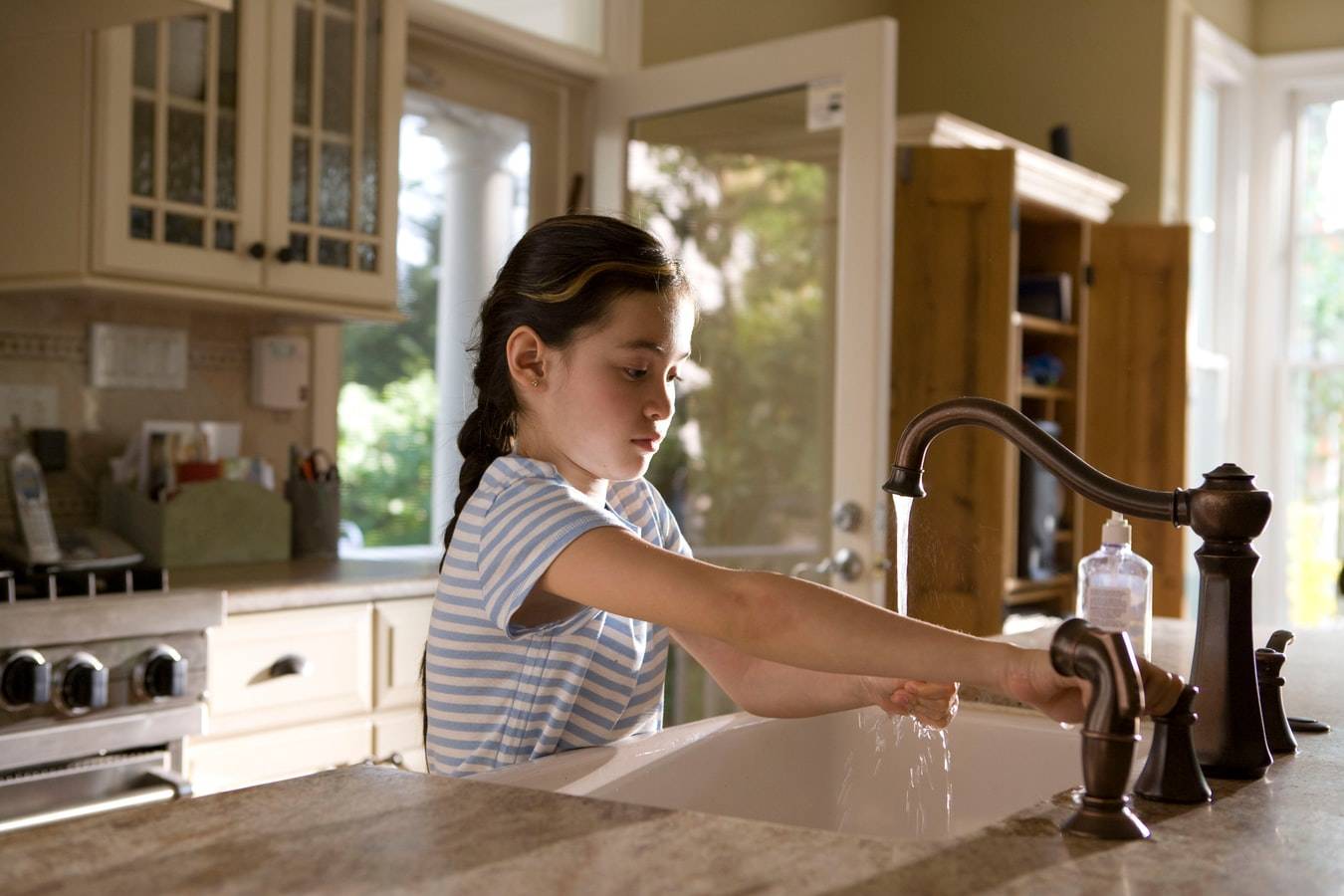
Constantly wash your hands with soap and water for at least 20 seconds.
Washing your hands is an easy yet effective way to prevent the spread of the germs. A trick is to hum the "Happy Birthday" song twice to make sure you wash your hands for an ample amount of time.
-
If you don't have immediate access to soap and water, apply an alcohol-based hand sanitizer with at least 60% alcohol.
-
Avoid leaving the house when you're sick. If you absolutely have to leave, wear a facemask to help prevent the spread of disease in the community.
-
Cough or sneeze into the inside of your elbow, not your hands, if you don't have a tissue.
-
Avoid close contact with people who are sick.
-
Constantly disinfect surfaces in your workplace and home.
Commonly touched surfaces like doorknobs, handles, computers, tables, switches, toilets, bathroom sinks, counters, and toys are breeding grounds for germs. Make sure to constantly disinfect these areas.
Remember: Cleaning is different from disinfecting. Cleaning merely removes germs, while disinfecting kills germs. For good measure, first clean a surface with soap (or detergent) and water. Afterward, you'll have to use chemicals to kill the germs and lower the risk of infection.
-
Stay healthy.
Get plenty of sleep, physical activity, fluids, and nutritious food to strengthen your immune system.
Practical Tips To Prepare Your Home For An Emergency
We're facing a lot of uncertainty on the impact of the Coronavirus in the U.S. But one thing's for sure: you and your family have to be prepared in case the situation gets worse.
In case the situation calls for your family to stay home, preparation will ensure your family's comfort and safety.
Stock up on these food staples and household supplies to prepare your home:
- Bathroom items – toothpaste, toilet paper, feminine supplies
- Laundry detergent
- Disinfectant
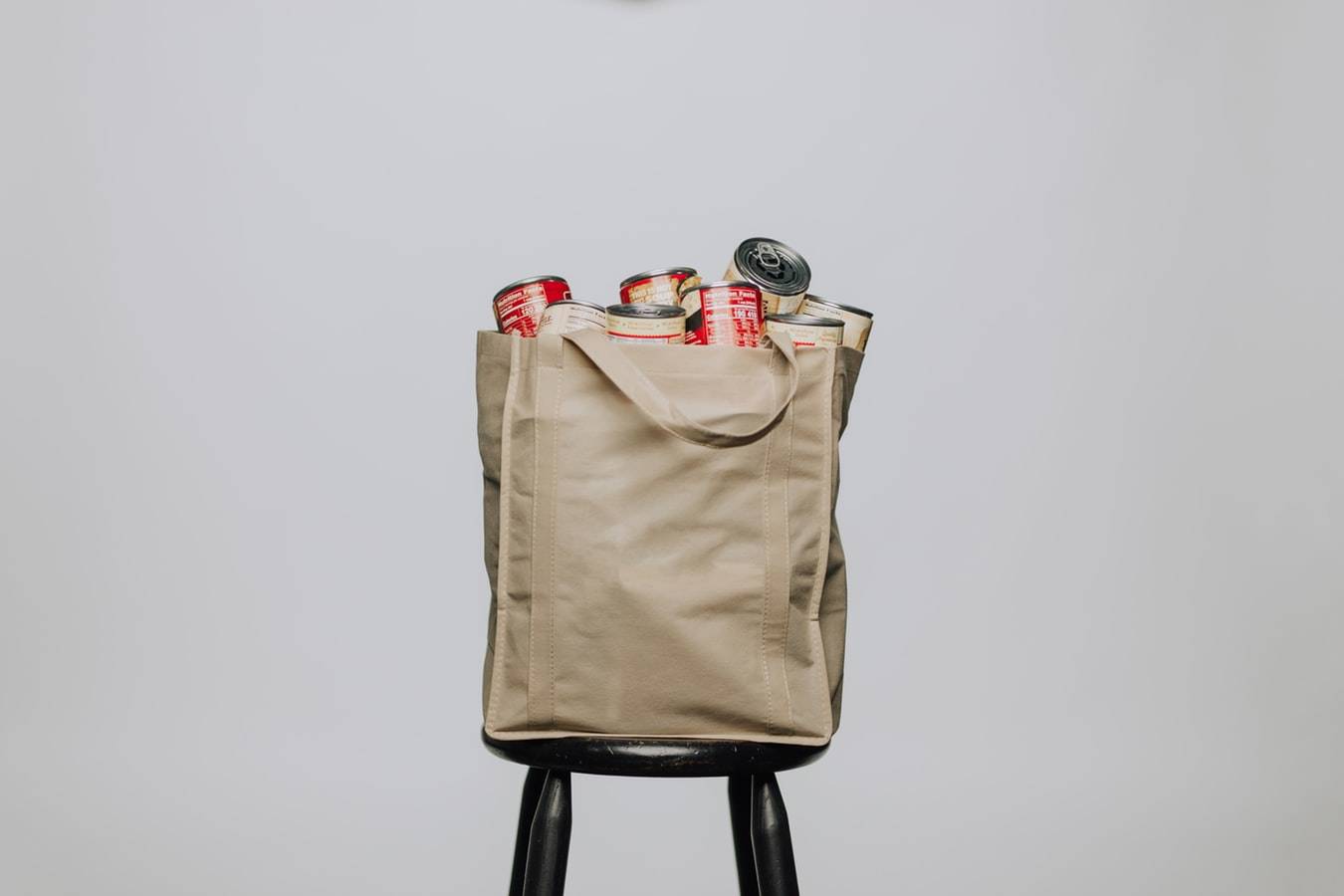
- Canned foods – These food items will last longer than fresh produce
- Special food for babies, family members with specific diets, and pets
- Bottled water – Make sure to have a lot on hand to keep your family hydrated
- First-aid kit
- 14-day supply of prescription medications
You can do your part in preventing the spread of the disease. Call your doctor if you're experiencing respiratory illness, and recently visited a country with widespread COVID-19 cases or been in close contact with someone with the disease.
Savannah Coronavirus: Helpful Resources To Get More Information
Here are additional resources to get more information on the Coronavirus in Houston.
Staying informed can help you avoid panic and take necessary action to keep you and your family safe. Here's a list of resources where you can get more information, updates, and safety tips to help you cope with the COVID-19 situation.
Coronavirus Information And Updates:
More Tips To Prevent The Spread Of The Disease:
Helpful Coronavirus Resources
Here are additional resources to get more general information on the Coronavirus.
Get worldwide updates and safety tips from reputable organizations. These trusted sources provide expert advice on how to protect yourself from the coronavirus and all the other information you need to know about COVID-19.
- Centers for Disease Control and Prevention
- World Health Organization
- Mayo Clinic