Savannah Landmark District vs Victorian District Guide
Neighborhood Guides Jackie Schott March 27, 2026
Neighborhood Guides Jackie Schott March 27, 2026
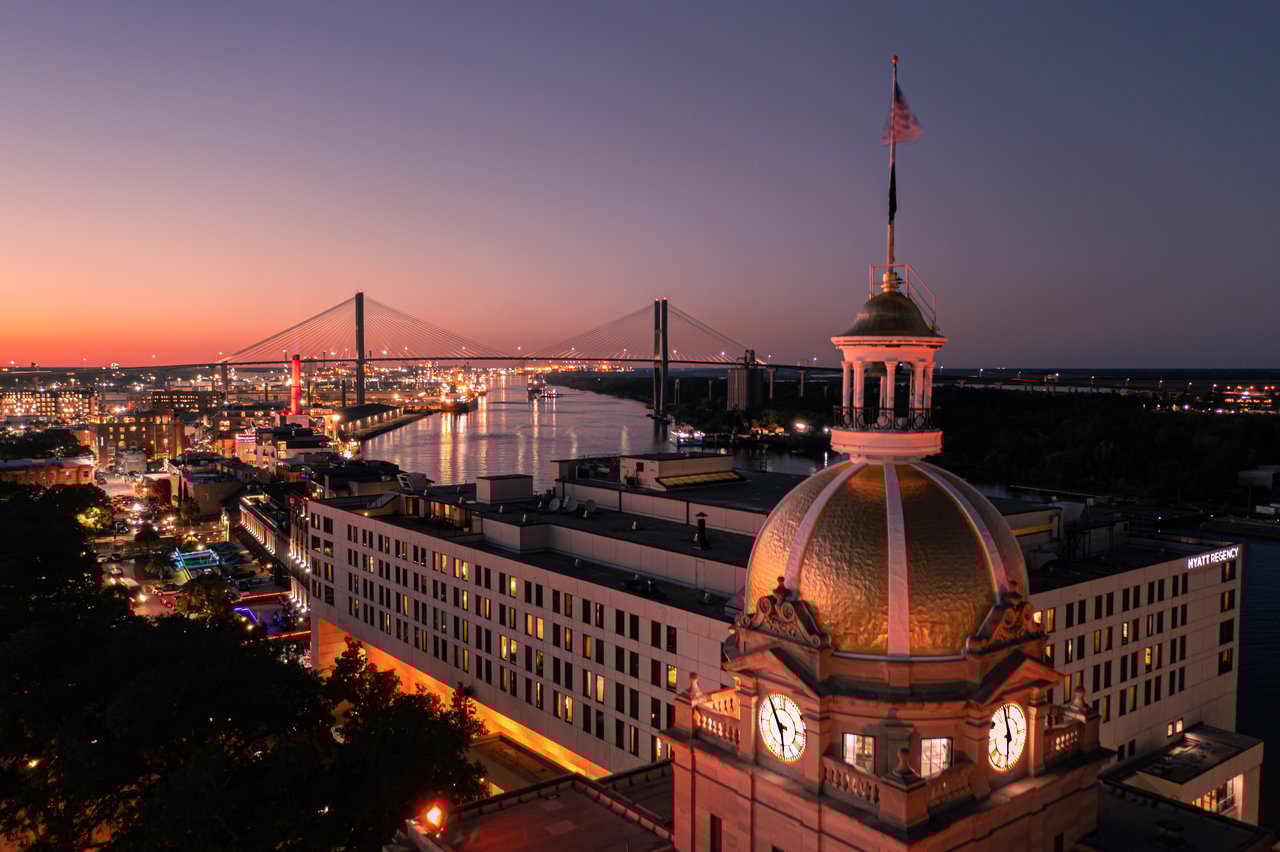
Savannah is known worldwide for its preserved architecture, walkable squares, and historic neighborhoods. Buyers exploring central Savannah frequently compare two areas located just steps from one another: the Savannah Historic Landmark District and the Victorian District.
Both neighborhoods offer beautiful historic homes, proximity to downtown, and easy access to the city’s cultural life. Yet they provide distinct living environments, price ranges, and long-term investment considerations.
In our experience advising buyers relocating to Savannah, many initially focus on the Historic District because of its international reputation. After spending time in the city, however, some ultimately choose the Victorian District for its quieter residential streets and larger homes while still remaining within walking distance of Forsyth Park.
Understanding the differences between these two historic neighborhoods helps buyers determine which environment aligns best with their lifestyle and long-term goals.
• Located roughly between River Street and Gaston Street
• One of the largest National Historic Landmark districts in the United States
• Known for Savannah’s famous Oglethorpe Plan square grid
• Highly walkable with restaurants, museums, and shopping nearby
• Strong tourism presence throughout the year
• Located just south of Forsyth Park, generally beginning around Gwinnett Street
• Developed mainly between 1870 and 1910
• Primarily residential with larger blocks and homes
• Increasingly popular among buyers seeking historic homes near downtown
• Quieter atmosphere with significantly less tourism traffic
Both neighborhoods offer historic homes, but the daily living experience differs considerably.
The Savannah Historic Landmark District is the most recognizable neighborhood in the city and one of the most architecturally preserved urban areas in the United States.
The district follows the historic Oglethorpe Plan, the 18th-century city design built around a network of public squares. Today, the Historic District extends approximately:
North–South: River Street to Gaston Street
East–West: Martin Luther King Jr. Boulevard to East Broad Street
Many of Savannah’s most visited landmarks are located here, including:
Forsyth Park
Cathedral Basilica of St. John the Baptist
Telfair Museums
Mercer-Williams House
Broughton Street retail corridor
Homes include 18th- and 19th-century townhouses, historic row homes, restored mansions, and luxury condominiums.
Because the district is protected by historic preservation regulations and has a limited housing inventory, demand for properties here remains consistently strong.
Properties within the Historic District are subject to review by the Savannah Historic Preservation Commission. Exterior changes—including windows, balconies, facades, and additions—often require approval to ensure they align with the city’s preservation guidelines.
For buyers, these regulations help maintain the architectural character that makes Savannah unique. At the same time, they can influence renovation timelines and design flexibility, which is an important factor to consider when purchasing a historic property.
The Historic District offers the most walkable lifestyle in Savannah. Residents can easily reach:
restaurants and cafés
museums and art galleries
boutique shopping
historic squares and parks
For buyers who want to live in the center of Savannah’s cultural life, the district provides a vibrant environment that is difficult to replicate elsewhere.
Homes in the Historic District feature details rarely found in modern construction, such as:
cast-iron balconies
brick courtyards
original fireplaces
heart pine flooring
These architectural elements contribute to the district’s long-term desirability and historic value.
Because the Historic District is Savannah’s primary tourism destination, the neighborhood experiences higher visitor traffic during events such as:
St. Patrick’s Day celebrations
Savannah Music Festival
seasonal tourism periods
Some homeowners enjoy this lively atmosphere, while others prefer quieter residential neighborhoods nearby.
Located directly south of Forsyth Park, the Victorian District developed later than the Historic District during the late 19th and early 20th centuries.
Unlike the compact square grid of the Historic District, the Victorian District features:
wider streets
larger residential lots
traditional neighborhood blocks
The area includes streets such as:
Bull Street
Drayton Street
Abercorn Street
Park Avenue
East Waldburg Street
Over the past two decades, the Victorian District has experienced substantial revitalization as historic homes have been restored and new residents have moved into the area.
Today, it is considered one of Savannah’s most desirable residential historic neighborhoods close to downtown.
Many buyers who want proximity to downtown Savannah but prefer a quieter residential environment ultimately gravitate toward the Victorian District. The neighborhood offers larger homes, less tourist activity, and easy access to Forsyth Park, which serves as a central gathering place for residents.
As restoration projects continue throughout the area, demand for well-renovated Victorian homes has increased steadily.
Compared with the Historic District, the Victorian District offers a calmer environment with fewer visitors and more neighborhood activity.
Residents still enjoy walkable access to Forsyth Park, local cafés, and neighborhood restaurants, while maintaining a quieter living environment.
Victorian District homes are often larger than those in the Historic District and frequently include:
front porches
deeper yards
larger interiors
multi-story Victorian architecture
Many properties have been renovated to combine historic character with modern interiors.
The neighborhood has benefited from restoration and reinvestment in historic properties, which has helped drive continued property value appreciation.
Property values vary widely depending on location, size, and renovation quality.
Typical price ranges include:
• Garden-level condos and smaller historic units: $400,000–$800,000
• Restored townhouses and row homes: $900,000–$2.5M
• Fully restored historic mansions: $2M–$6M typical high-end, with rare exceptions above
Prices reflect the district’s historic significance and tourism demand.
Typical price ranges include:
• Smaller historic homes or townhouses: ~$350k–$650k depending on condition
• Renovated Victorian homes: $700,000–$1.2M+
• Larger restored properties near Forsyth Park: $1M+
Prices vary significantly depending on restoration quality and proximity to Forsyth Park.
The Historic District offers the most walkable environment in Savannah due to its dense concentration of shops, restaurants, and cultural attractions.
The Victorian District generally provides a quieter residential environment with fewer tourists while still remaining close to downtown.
New construction is rare in the Historic District due to preservation regulations. Most homes in both districts are historic properties that have been restored or renovated.
Both neighborhoods offer long-term value. Historic District properties may benefit from tourism-driven rental demand, while Victorian District homes often attract long-term residents seeking historic homes near downtown.
Both the Savannah Historic Landmark District and the Victorian District offer unique opportunities to live in one of the most architecturally distinctive cities in the United States.
The Historic District provides unmatched walkability and cultural access, while the Victorian District offers a quieter residential atmosphere with larger homes and close proximity to Forsyth Park.
Understanding the preservation rules, pricing dynamics, and lifestyle differences between these neighborhoods helps buyers make an informed decision.
The Trisha Cook Team regularly advises buyers exploring historic properties throughout Savannah and can help evaluate opportunities across both districts.
If you are considering purchasing a home in Savannah’s historic neighborhoods, we would be happy to provide personalized guidance and help you explore available properties that align with your goals.
Stay up to date on the latest real estate trends.
local market insights
A Savannah seller’s guide to the five market numbers that actually matter when deciding when, where, and how to sell your home.
buyer education
Everything you need to know before buying a home in Savannah, Pooler, Richmond Hill, and the surrounding Lowcountry.
Lifestyle
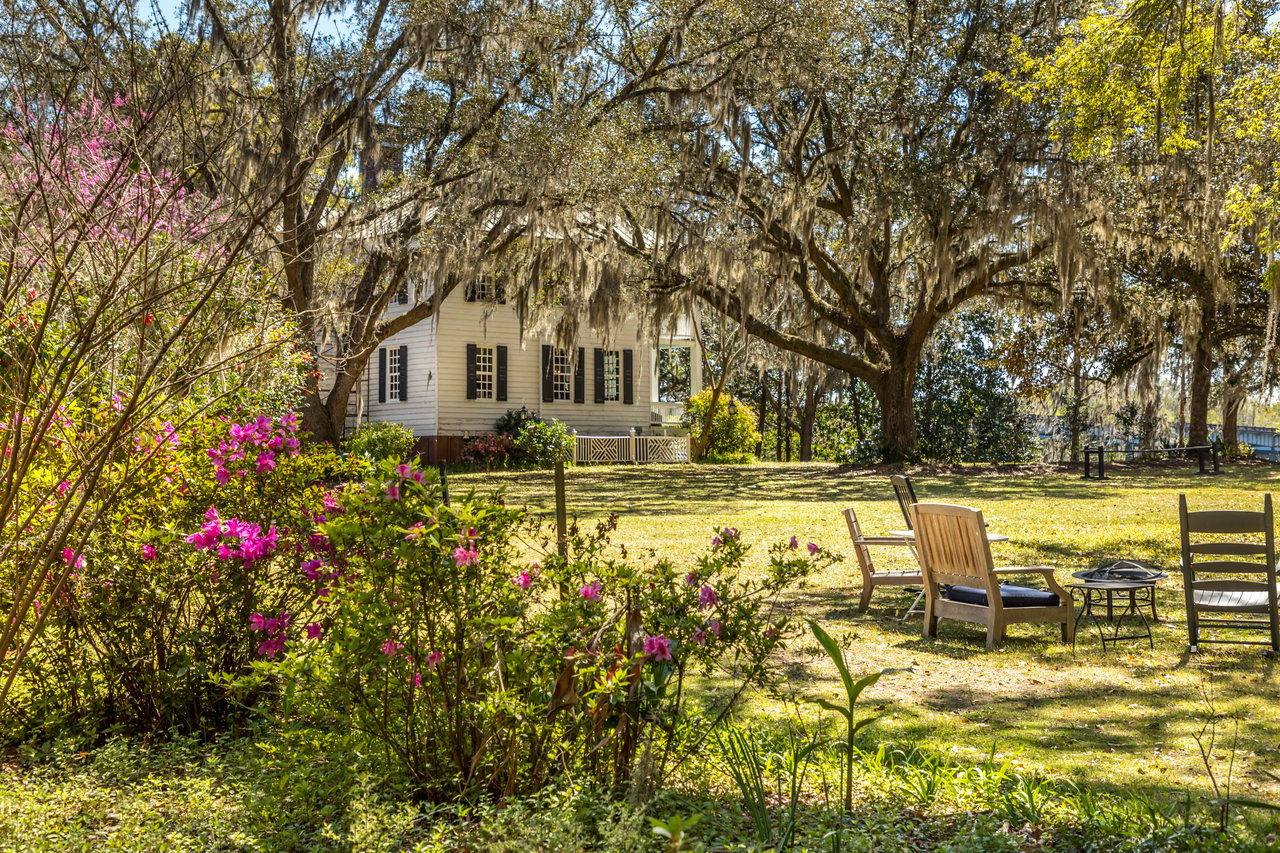
The home features that make everyday Lowcountry living even better
Lifestyle
From charming independent bookstores to cozy cafes and beautiful hotel spaces, here are three Savannah spots every book lover should know.
events
Summer isn't slowing down along the Georgia coast and South Carolina Lowcountry — it's just getting started on a whole new lineup of things to do.
Join hands with Savannah’s premier coastal specialists for a real estate experience that’s as unique as you are. Whether buying, selling, or exploring new opportunities, our team is dedicated to guiding you with warmth, and expert insight.